Choosing the Right Pneumatic Diaphragm Pump for Your Needs?
Pneumatic diaphragm pumps are essential in various industries, from pharmaceuticals to food processing. They excel in handling viscous and abrasive fluids. A report by Markets and Markets estimates the global diaphragm pump market will reach $7.6 billion by 2025, reflecting a growing demand for reliable fluid transfer solutions.
Selecting the right pneumatic diaphragm pump requires understanding your specific needs. Factors like flow rate, pressure, and media type matter significantly. Inadequate selection can lead to operational inefficiencies or system failures. According to a study by Frost & Sullivan, incorrect pump selection can result in up to 20% in operational losses, underscoring the importance of informed decision-making.
In an industry where fluid handling is critical, the right pump can enhance productivity and safety. However, not all pumps are created equal. It’s crucial to evaluate features like durability and maintenance needs. Requesting recommendations from industry experts can prevent costly mistakes. Ultimately, investing time in choosing the right pneumatic diaphragm pump pays off in long-term performance and reliability.
Understanding Pneumatic Diaphragm Pumps: Basics and Benefits
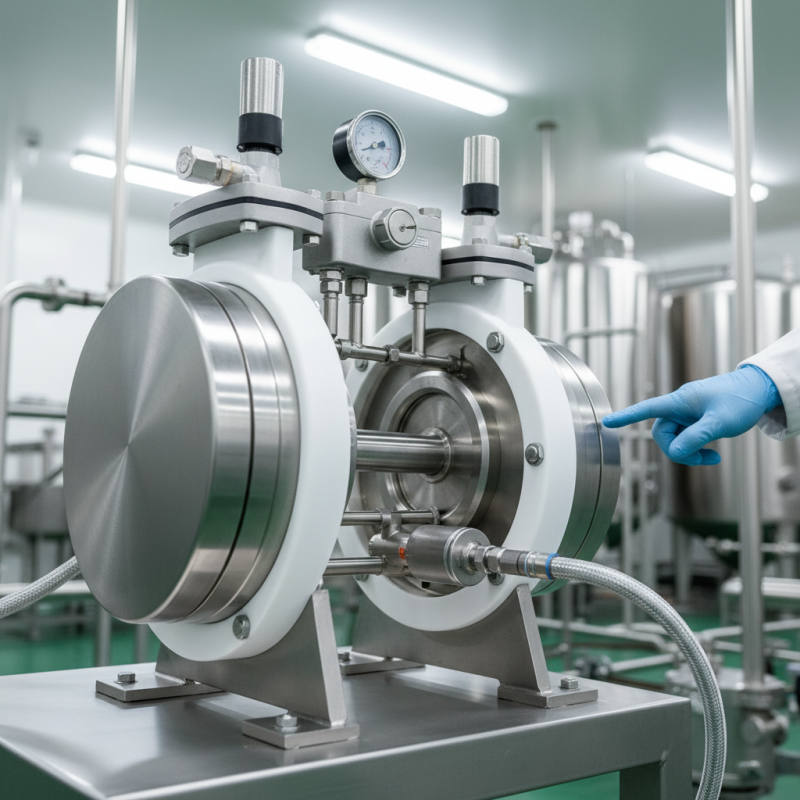
Pneumatic diaphragm pumps are essential in various industries. Understanding their basics can help you choose the right model. These pumps operate using compressed air to move fluids, providing a reliable solution for transferring both hazardous and non-hazardous materials. Their unique design allows for precise control of flow rates.
When selecting a pneumatic diaphragm pump, consider your specific needs. Factors like fluid viscosity and temperature significantly influence performance. Ensure the pump you choose can handle these conditions. Remember, not all pumps are created equal. Testing under actual conditions can help you identify possible drawbacks in your selection.
Tips: Always evaluate the air supply requirements. Insufficient air pressure can lead to inconsistent performance. Regularly inspect the diaphragm for wear and tear, as this affects longevity. Keep a checklist of problems encountered during testing. Reflections on these issues foster a better understanding of your pumping solutions.
Choosing the Right Pneumatic Diaphragm Pump for Your Needs
Key Factors to Consider When Selecting a Pneumatic Diaphragm Pump
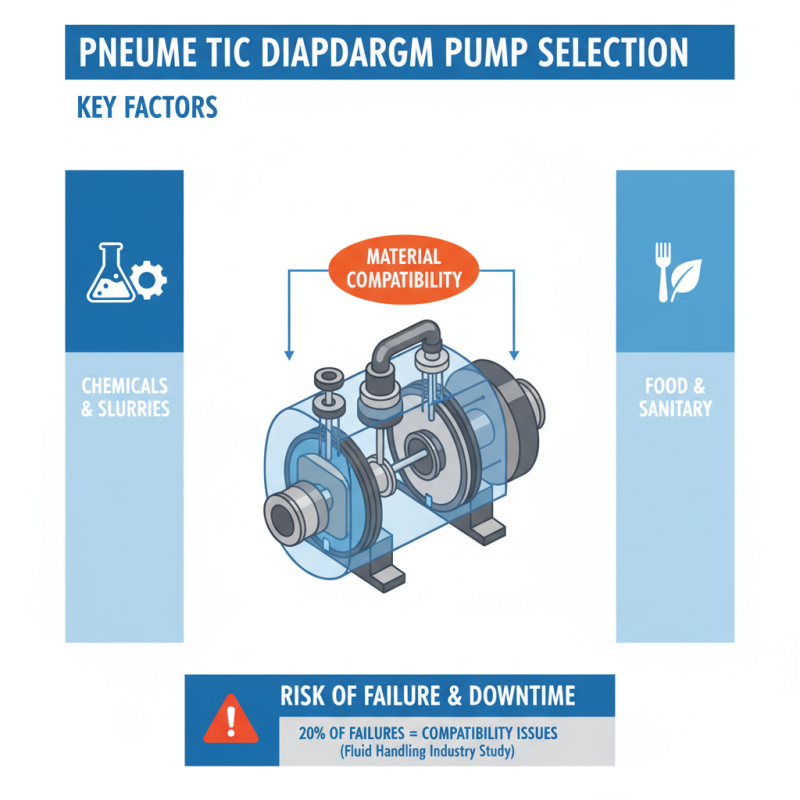
When selecting a pneumatic diaphragm pump, several key factors come into play. First, the material compatibility is vital. Pumps can be used with corrosive chemicals, slurries, or food products. Using the wrong material can lead to failures and costly downtime. A study by the Fluid Handling Industry indicates that 20% of pump failures are related to compatibility issues.
Flow rate and pressure requirements are also essential. A pump must meet the flow demands of specific applications. Insufficient flow can lead to inefficiencies and affect productivity. According to a report from the Pump Manufacturers Association, 40% of users experience performance issues due to incorrect flow rates.
Another consideration is maintenance. Some diaphragm pumps require more frequent servicing than others. Understanding the maintenance schedule can help manage operational costs. Inadequate maintenance could result in a 50% increase in lifetime costs, as noted in a recent industry analysis. Balancing these factors can be challenging. Each application has unique demands that require careful thought and research.
Comparing Different Types of Pneumatic Diaphragm Pumps
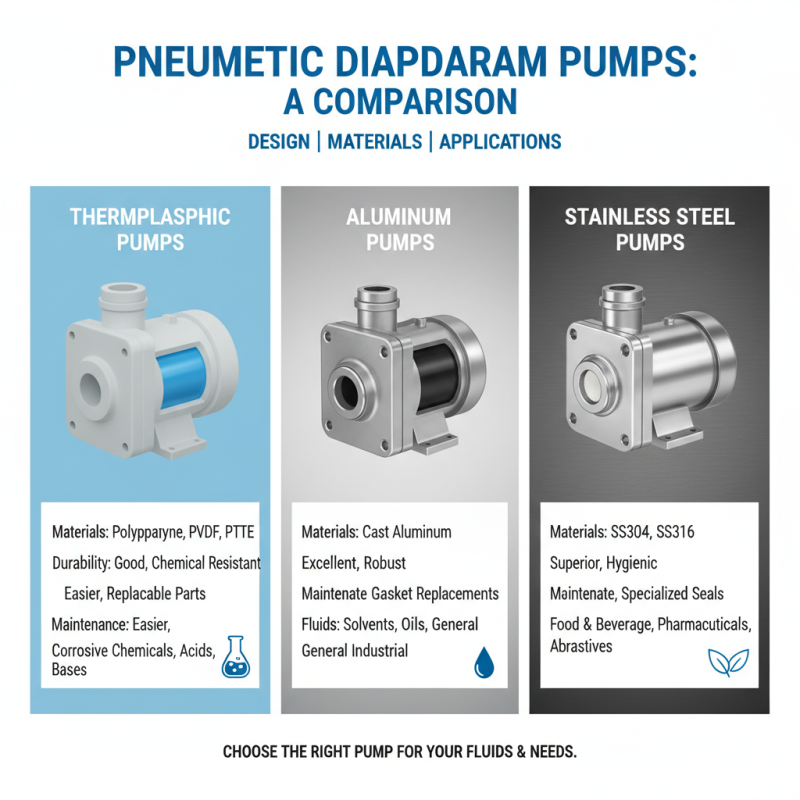
When selecting a pneumatic diaphragm pump, understanding the different types available is crucial. These pumps generally fall into several categories based on their design and materials. For instance, some utilize thermoplastic materials, while others incorporate metals like aluminum or stainless steel. Each of these choices impacts durability, maintenance, and suitability for various fluids.
Consider how each type handles different applications. A peristaltic diaphragm pump may excel in transferring viscous materials, while a standard diaphragm design may be better for gases or thin liquids. The pressure output differs as well. Many users often overlook these specifications and choose based on appearance or price. This can lead to inefficiencies or even costly downtimes.
Moreover, the required flow rate plays a vital role. Most pumps have specific flow ranges they operate best within. Users frequently assume one-size-fits-all solutions apply, only to be disappointed later. Evaluating your unique needs and available options will help avoid potential pitfalls. Understanding the nuances of each type can lead to better decision-making and enhanced performance in your applications.
Applications and Industries Utilizing Pneumatic Diaphragm Pumps
Pneumatic diaphragm pumps have become essential in various industries due to their reliability and versatility. These pumps excel in applications including chemical handling, food processing, and municipal wastewater management. According to a recent market report, the global diaphragm pump market is projected to grow steadily, reaching $2.8 billion by 2026. This growth highlights the increasing demand across numerous sectors.
Industries like pharmaceuticals require specific pump features to handle sensitive materials safely. The ability to pump thick slurries or abrasive fluids makes pneumatic diaphragm pumps indispensable. In chemical processing, they ensure safe transfer of hazardous substances. Interestingly, a report from the Hydraulic Institute indicates that improper pump selection can lead to inefficiencies and higher operational costs.
Tips: Always evaluate the material compatibility with the pump's construction. This ensures longevity and minimizes leaks. Regular maintenance checks can prevent wear and tear, prolonging pump life.
In food and beverage sectors, hygiene is critical. Choosing a pump with easy cleanability is vital for meeting regulatory standards. However, balancing cost and performance can be challenging. Sometimes, cheaper options lead to more frequent replacements. Careful consideration of application-specific requirements is essential for optimal performance.
Maintenance Tips for Optimal Performance of Pneumatic Diaphragm Pumps
Pneumatic diaphragm pumps are crucial in various industries. Their efficiency often relies on proper maintenance. Regular checks can significantly enhance their performance and lifespan. According to industry reports, routine maintenance can prolong pump life by up to 30%.
One key aspect of maintenance is checking for leaks. Even small leaks can reduce efficiency. Inspecting fittings and connections regularly helps detect issues early. Additionally, keeping the diaphragm clean is vital. Debris and buildup can cause wear and lead to failure.
Another tip involves monitoring air supply. Ensure that the compressed air is dry and clean. Moisture can degrade internal components over time. Reports indicate that over 40% of pump failures relate to poor air quality. Maintaining clean filters can drastically lower this risk.
Incorporating these practices can lead to optimal performance. Users should also document maintenance activities. Tracking issues over time can reveal patterns, allowing for preventative measures.
Choosing the Right Pneumatic Diaphragm Pump for Your Needs? - Maintenance Tips for Optimal Performance of Pneumatic Diaphragm Pumps
| Feature |
Description |
Maintenance Tips |
| Material Compatibility |
Ensure the pump material is compatible with the fluids being pumped. |
Regularly inspect for signs of chemical degradation. |
| Flow Rate |
Determine the necessary flow rate for your application. |
Adjust settings periodically to maintain optimal flow. |
| Pressure Rating |
Choose a pump with adequate pressure rating for your needs. |
Check pressure gauges regularly for accuracy. |
| Diaphragm Type |
Select suitable diaphragm materials (e.g., PTFE, rubber) based on application. |
Inspect diaphragms for wear and tear; replace as necessary. |
| Noise Level |
Consider noise levels for workplace suitability. |
Implement sound dampening measures if necessary. |