How to Choose the Right Diaphragm Pump for Your Needs?
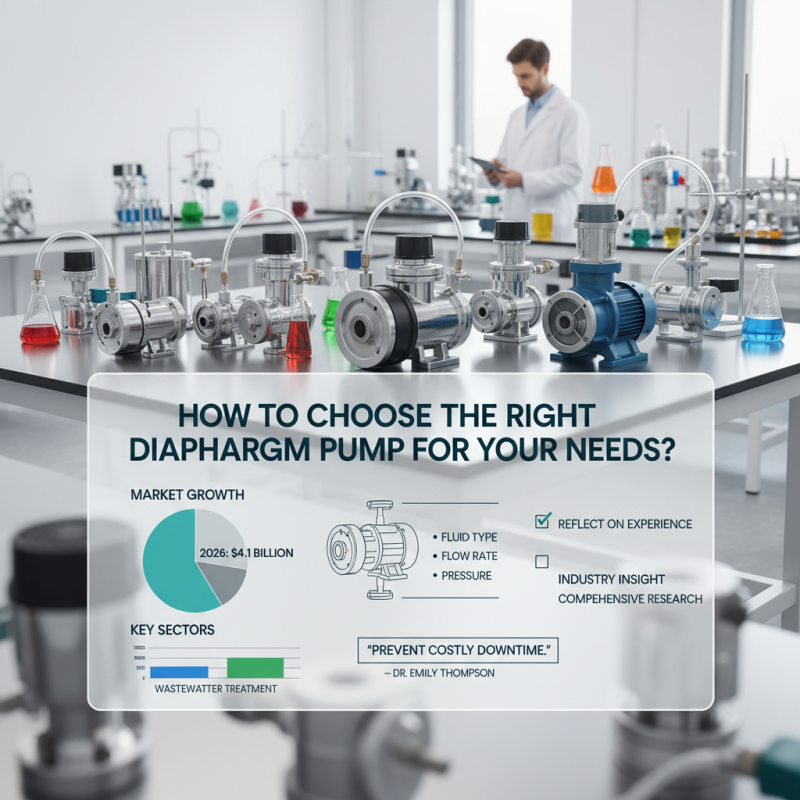
Choosing the right diaphragm pump can significantly impact efficiency and productivity in various applications. According to a report from MarketsandMarkets, the diaphragm pump market is expected to reach $4.1 billion by 2026, driven by increased demand in wastewater treatment and chemical processing. This growing trend underlines the need for precise selection to meet specific operational requirements.
Industry expert Dr. Emily Thompson emphasizes the importance of this choice, stating, "Selecting the right diaphragm pump can prevent costly downtime and ensure optimal function." Various factors must be considered, such as fluid type, flow rate, and pressure requirements. Each application may demand different features, complicating the decision process.
Moreover, many users overlook vital pump specifications. This can lead to suboptimal performance or even failures. It's essential to reflect on past experiences and gather insight from industry resources. To maximize efficiency, comprehensive research and careful evaluation of diaphragm pump options are crucial.
Understanding Diaphragm Pump Basics and Applications
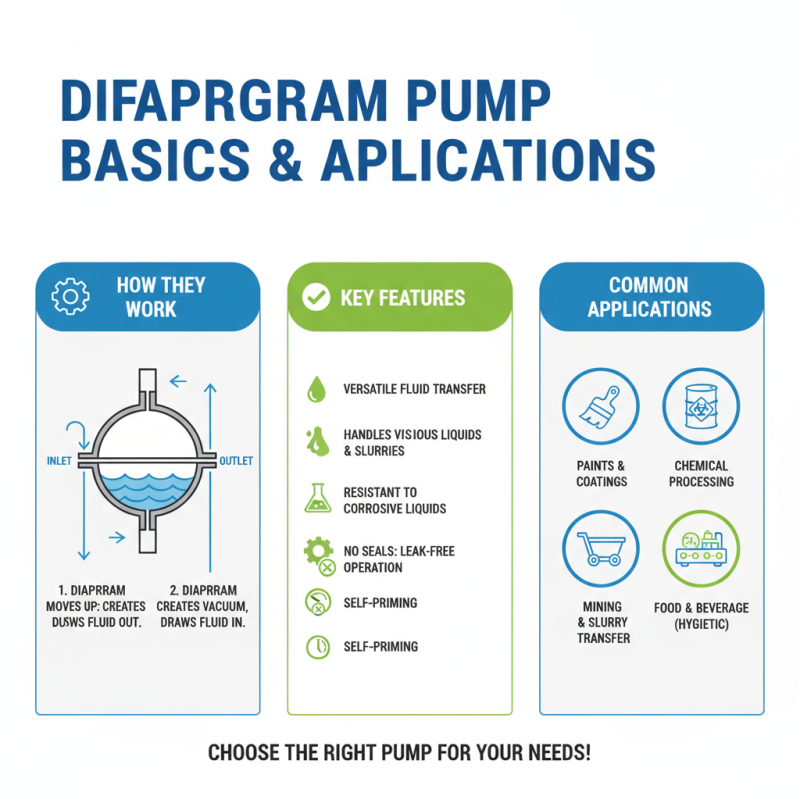
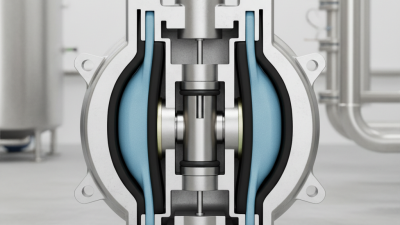
Diaphragm pumps are versatile devices used in various applications. They work by using a flexible diaphragm, which creates a vacuum necessary for pumping fluids. Understanding how these pumps operate can help you choose the right model for your needs. They excel in transferring viscous fluids, slurries, and even corrosive liquids.
Choosing the right diaphragm pump involves analyzing specific requirements. Key factors include the fluid type, flow rate, and pressure conditions. For instance, if you need to handle abrasive materials, a pump with robust construction is essential. Pay attention to the pump's material; this affects durability and reliability.
Not all diaphragm pumps perform equally. Some may work well in controlled environments but falter under variable conditions. Identifying potential challenges is necessary. Consider operating costs and maintenance needs. These elements often influence long-term performance and efficiency.
Identifying Your Fluid Characteristics and Requirements
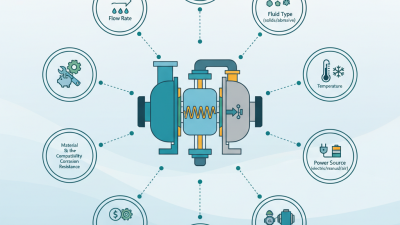
Choosing the right diaphragm pump begins with understanding your fluid characteristics. Different fluids vary in viscosity, temperature, and chemical composition. For example, thick fluids like slurries require robust pumps. In contrast, thin fluids may need pumps designed for precision. Knowing the fluid type helps avoid equipment failure.
Consider the operating environment too. Are there harsh chemicals present? Some materials corrode easily. Selecting the appropriate materials for the diaphragm and housing is essential. Additionally, think about the pump's required flow rate and pressure. This ensures the pump meets operational demands without overworking the system.
Reflect on your maintenance needs. Some pumps require more upkeep than others. If your team has limited experience, a simpler design may be ideal. Regular maintenance can prevent unexpected downtime. It's critical to assess your team's skill set and choose a pump that aligns with it.
How to Choose the Right Diaphragm Pump for Your Needs?
| Fluid Type |
Viscosity (cP) |
Flow Rate (L/min) |
Pressure (bar) |
Temperature (°C) |
Pump Material |
| Water |
1 |
20 |
3 |
25 |
Plastic |
| Oil |
20 |
10 |
5 |
40 |
Aluminum |
| Food Liquid |
2 |
15 |
2 |
30 |
Stainless Steel |
| Chemicals |
50 |
5 |
8 |
60 |
PP |
| Slurry |
100 |
8 |
4 |
20 |
Cast Iron |
Evaluating Pump Performance Metrics and Specifications
When selecting the right diaphragm pump, the specifications and performance metrics are crucial. Begin by evaluating the flow rate, which indicates how much fluid the pump can handle. A pump must match the required flow rate for effective operation. If the flow rate is too low, your processes can stall. Conversely, if it's too high, you might waste energy or damage equipment.
Next, consider the pressure rating of the pump. This metric reveals the maximum pressure the pump can withstand. High-pressure applications demand pumps made with durable materials. Make sure the diaphragm pump aligns with the needs of your specific application. Some pumps may excel at low pressures but struggle at high outputs.
Material compatibility is another essential factor. Ensure the pump materials can handle the fluids you plan to pump. Different fluids can cause wear or chemical deterioration. A mismatched pump can lead to leaks or failures, causing costly downtimes. Review all specifications carefully before making a decision. Taking time here prevents future challenges.
Diaphragm Pump Performance Metrics
Considering Installation and Maintenance Needs
When selecting a diaphragm pump, installation and maintenance are critical aspects. A well-designed installation reduces future issues. According to the Hydraulic Institute, improper setup can lead to a 25% increase in operational costs. Consider the space available and the existing infrastructure. Accessibility is also vital for routine maintenance. Ensure that tools and replacement parts are within reach during installation.
Regular maintenance is essential for prolonging pump life. Industry reports show that neglecting maintenance can decrease efficiency by up to 40%. Common tasks include checking seals, lubrication, and cleaning the fluid path. Many pumps require specific training for correct servicing. Without proper knowledge, mistakes can occur, leading to larger problems. Educate your team about these aspects to prevent future complications.
Additionally, consider the environment where the pump will be located. Conditions such as temperature and moisture levels can impact maintenance needs. Pumps in harsh environments may require more frequent checks. Understanding these factors helps in making an informed choice that aligns with your operational goals.
Comparing Different Diaphragm Pump Brands and Models
When selecting a diaphragm pump, it is essential to compare various brands and models. Each pump has unique characteristics that cater to different needs. According to a recent industry report, diaphragm pumps hold around 25% of the global market share in fluid handling. This indicates a robust growth trend and highlights their significance.
Certain brands prioritize corrosion resistance, making them suitable for harsh chemicals. Others focus on durability for demanding environments. It's crucial to evaluate the material construction of the pump. Materials like polypropylene or stainless steel can impact lifespan and performance. A study revealed that pumps with advanced sealing technology are 30% more efficient. This can lead to significant cost savings over time.
Understanding the specifications, such as flow rate and pressure, is vital. Some models may excel in low flow, while others handle high volumes. However, high capacity does not always guarantee reliability. Users often report issues with maintenance for high-performance models. Exploring user reviews and expert insights can refine your choice. Seek feedback regarding longevity and service requirements. This step can help avoid potential pitfalls in pump selection.