How to Choose an Electric Diaphragm Pump?
Choosing an electric diaphragm pump begins with the liquid, not the product photograph. Viscosity, temperature, solids, acidity, and shear sensitivity all shape the decision. A pump handling wastewater with sand needs different protection from one transferring clean chemicals. Small details matter, too. Check the fluid’s specific gravity. Measure the suction lift. Record the required flow and discharge pressure.
Pump consultant and author Dr. Lev Nelik expresses the central principle clearly: “Select the pump around the duty point, not the marketing label.” That advice deserves careful attention. An electric diaphragm pump may appear suitable by flow rate alone, yet struggle when hoses narrow, filters clog, or pressure rises. Compare the pump curve with the actual operating point. Confirm motor voltage, duty cycle, diaphragm material, connection size, and control requirements. EPDM, PTFE, and Santoprene do not behave identically in demanding service.
Field experience also exposes uncomfortable gaps in catalog data. Rated capacity may assume ideal conditions. Real installations rarely are. A long suction line can introduce air leaks. A cold liquid can move slowly. An oversized motor may waste energy and create unnecessary stress. No selection method is perfect. Recheck the assumptions.
This guide examines those practical choices in a clear sequence. It considers performance, compatibility, maintenance access, noise, safety, and total operating cost. The best electric diaphragm pump is not always the largest or cheapest model. It is the one that delivers stable performance under the conditions your system actually creates.
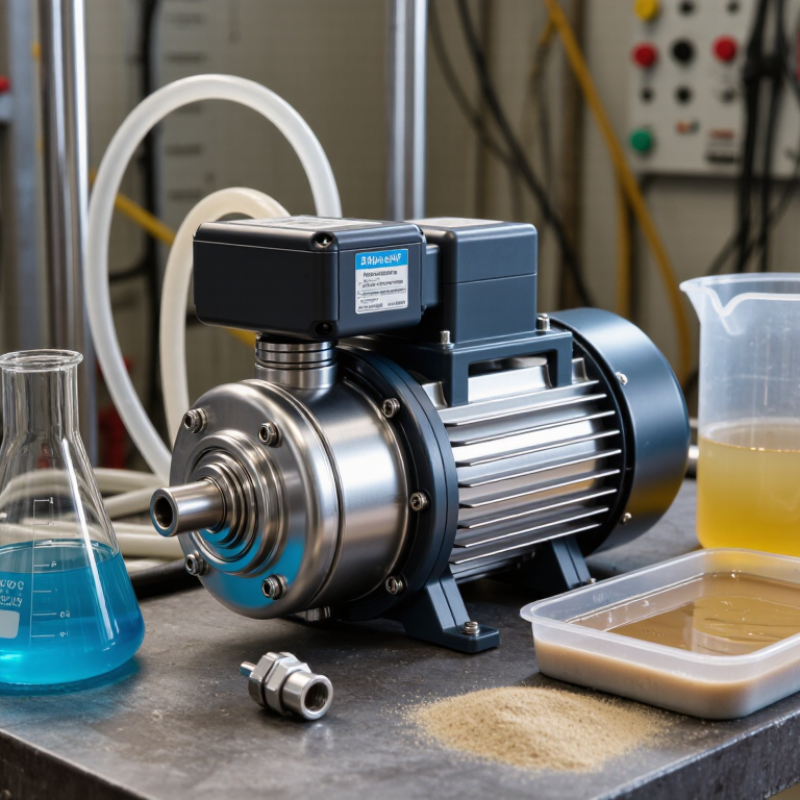
Define the Fluid, Flow Rate, Pressure, and Operating Conditions
How to Choose an Electric Diaphragm Pump?
Define the fluid before comparing pump models. Record viscosity, temperature, density, solids content, and chemical concentration. Check whether the fluid crystallizes, dries, or damages elastomers. Diaphragm material must match the fluid and temperature range. A compatibility chart helps, but it is not a substitute for testing. Small differences in concentration can change swelling behavior and service life. Do not guess.
Specify the required flow rate at the actual discharge pressure, not at zero pressure. Include pipe length, elevation, valves, filters, and hose diameter. The U.S. Department of Energy reports that pumping systems can represent 25–50% of industrial electricity use. Its pumping-system guidance also identifies potential energy savings of 20–50% through proper system assessment (U.S. DOE, Improving Pumping System Performance: A Sourcebook for Industry). Oversizing the pump can increase pulsation, power demand, and wear. I usually allow modest capacity headroom, then verify the operating point with measured data.
Operating conditions decide whether the pump survives daily work. Confirm suction lift, dry-running exposure, ambient temperature, duty cycle, voltage, and controls. Add a pulsation dampener when downstream instruments require steadier flow. Hydraulic Institute guidance stresses evaluating the complete system curve rather than trusting nameplate figures. That matters in the field. A pump may deliver its rated flow in a test room, yet struggle through a clogged filter or long hose. Recheck assumptions after installation; real systems are rarely as clean as the spreadsheet.
Match Pump Materials With Chemical and Temperature Compatibility
How to Choose an Electric Diaphragm Pump?
Match every wetted component with the chemical and temperature conditions. The diaphragm, valves, seals, and pump body may require different materials. A fluid compatible with stainless steel may still damage an elastomer seal. Check chemical concentration, temperature, exposure time, and pressure together. Compatibility charts are useful starting points, not final proof. Laboratory data may not reflect continuous industrial cycling.
PTFE often handles aggressive chemicals, but it may not suit every abrasive slurry. EPDM can perform well with water-based fluids, while some oils may cause swelling. Fluoroelastomers tolerate many hydrocarbons, yet they can fail with certain chemicals and low temperatures. Polypropylene can resist corrosion, but excessive heat may reduce its strength. Do not select materials from chemical names alone. Concentration changes everything. A common mistake is checking room-temperature data only. Real pumps may face hot fluid, sudden cooling, or repeated starts.
Tips: Request written compatibility data from qualified suppliers. Test a sample under actual temperature and concentration conditions. Inspect the diaphragm after initial operation for swelling, cracking, or softening. Leave a safety margin below the published temperature limit. Also examine abrasive particles, because chemical resistance does not guarantee wear resistance. Record the fluid composition carefully. Small details matter. Recheck assumptions when the process changes.
Choose the Right Diaphragm, Valve, and Air Distribution System
When selecting an electric diaphragm pump, start with the fluid, not the motor. I once chose a pump by flow rate alone. That assumption was wrong. Fluid viscosity, temperature, solids, and chemical compatibility can change performance dramatically.
Choose the diaphragm material for real operating conditions. Check the fluid’s concentration, temperature range, and cleaning method. A flexible diaphragm may handle frequent cycling well, while a reinforced design may resist abrasive particles better. Do not overlook the valves. Ball valves suit many clean or moderately viscous fluids. Flap valves can pass larger solids with less blockage. A small particle can stop production.
The air distribution system also deserves careful attention. Some electric diaphragm units use electric actuators, while hybrid designs may include air-assisted control. Confirm the required air pressure, air volume, filtration, and moisture control. Dirty compressed air can damage seals and create inconsistent strokes. The system should match the pump’s cycle speed, not merely its maximum pressure. Ask for tested performance data at your actual fluid temperature and viscosity. Catalog ratings can look impressive. Field results may differ. During commissioning, record pressure, current draw, stroke frequency, and discharge flow. These details often reveal an incorrectly sized valve or an unsuitable diaphragm before failure becomes expensive.
Evaluate Installation Requirements, Energy Use, and Maintenance Access
How to Choose an Electric Diaphragm Pump?
Installation conditions should guide your pump choice. Measure the fluid temperature, viscosity, solids content, and required flow before comparing models. Check the available voltage and enclosure rating at the installation point. A pump placed in a cramped cabinet may fit on paper, but servicing becomes frustrating. Leave enough room to remove the diaphragm, valves, and electrical connections. That detail is often missed.
Energy use deserves closer attention. The International Energy Agency estimates that motor-driven systems consume about 45% of global electricity. The U.S. Department of Energy also reports that pumping systems can represent roughly 20% of industrial electricity use. Select a pump near its efficient operating range, not simply the largest available unit. Oversizing increases cycling, noise, and wasted power. Small errors become expensive.
Maintenance access can determine real operating cost. Inspect the diaphragm and check valves without draining an entire process line, where possible. Record cycle frequency, air or motor temperature, and unexpected pressure changes. These simple records support condition-based maintenance, although operators do not always keep them consistently. That is a weakness worth admitting. Industry maintenance guidance from ISO 14224 supports structured equipment data for reliability analysis. Choose a design that makes inspection visible, safe, and routine.
How to Choose an Electric Diaphragm Pump?
Evaluate installation requirements, energy use, and maintenance access
Estimated electricity use is based on a 4 bar differential pressure, 45% overall pump efficiency, and 8 operating hours per day for 250 days per year. Higher flow rates increase energy demand, so select a pump that meets the required duty without excessive oversizing. Confirm adequate space for suction and discharge connections, electrical access, diaphragm inspection, and valve replacement before installation.
Compare Safety Features, Reliability, Cost, and Supplier Support
Choosing an electric diaphragm pump starts with the fluid, but safety should guide the decision.
Check whether the enclosure, cable glands, and motor protection suit the wet area. A thermal overload device can prevent damage when a line becomes blocked. Leak detection is valuable near chemical storage or sensitive equipment. Do not accept vague safety claims. Ask for test records, protection ratings, and clear installation limits.
Reliability appears in small engineering details.
Look for reinforced diaphragms, corrosion-resistant wetted parts, and accessible check valves. The pump should maintain steady flow during repeated starts and stops. Measure noise, vibration, and temperature after several hours, not only during a showroom demonstration. A lower purchase price may hide expensive seals, frequent servicing, or difficult access. Calculate energy use, spare parts, labor, and expected downtime over the operating year. My practical caution is simple: published efficiency can differ from field performance. Real conditions are rarely perfect.
Supplier support can determine whether a minor fault becomes a production delay.
Choose a supplier that provides sizing help, wiring guidance, manuals, and responsive technical communication. Ask how quickly replacement diaphragms can ship and whether service staff understand your application. A useful supplier will discuss failure risks instead of promising that nothing will go wrong. Keep written records of recommendations, commissioning data, and maintenance intervals. This evidence supports safer decisions and makes future troubleshooting less dependent on memory.