How to Choose the Best Piston Pump for Your Needs?
Choosing the right piston pump can be a challenging task. Experts emphasize the importance of understanding your specific requirements. According to a market report by Research and Markets, the global piston pump market is projected to grow at a CAGR of 5.7% from 2021 to 2026. This growth reflects the increasing demand across various industries, such as manufacturing and construction.
Michael Anderson, a leading industry expert, once stated, "Selecting the best piston pump is crucial for efficiency and reliability." With numerous options available, each designed for specific applications, making an informed choice becomes essential. Factors to consider include flow rate, pressure range, and compatibility with the intended fluid.
While many users may focus solely on price, overlooking technical specifications can lead to inefficiencies. A mismatched pump could result in costly downtime. Therefore, it's vital to balance budget constraints with performance needs. If you're unsure, consulting with professionals in the field can provide valuable insights tailored to your unique requirements.
Understanding the Basics of Piston Pumps and Their Applications
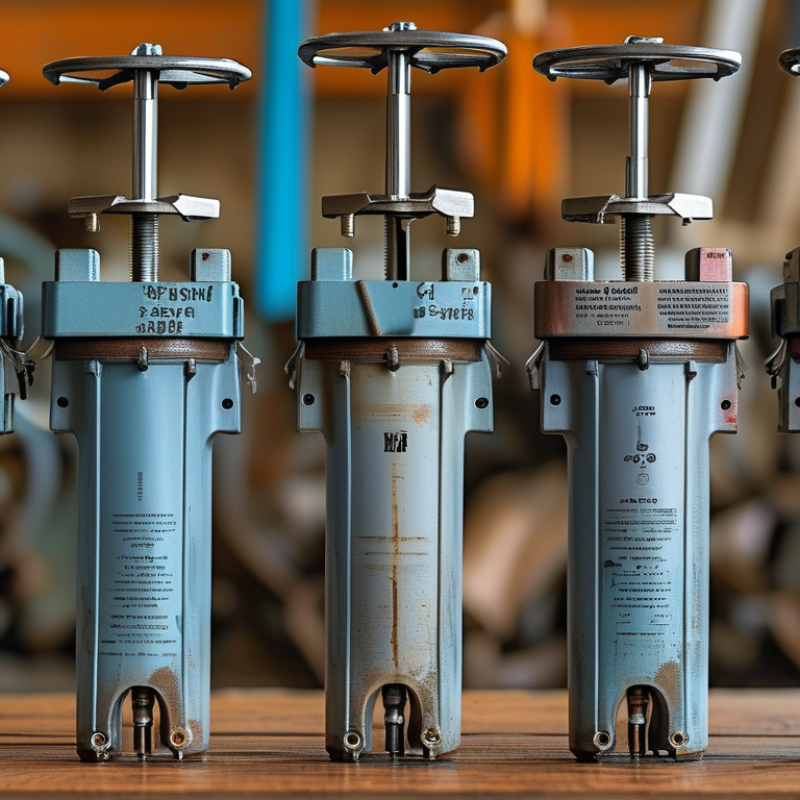
Piston pumps are versatile devices used in various industries. Their mechanism relies on the movement of a piston within a cylinder, creating pressure that moves fluids. Understanding their applications is crucial for selecting the right pump. They excel in situations requiring high pressures and precise flow control, making them ideal for hydraulic systems and fueling operations.
Tips: Evaluate your specific needs. What fluid will you pump? Is it thick or thin? The viscosity of the fluid influences pump choice significantly. Assess if you'll need a pump that handles varying pressures or a steady flow.
These pumps come in many types, such as single-acting and double-acting models. Each has its characteristics and best-use scenarios. Testing a pump's efficiency through real-world trials can provide deeper insights. It’s important to consider maintenance needs as well. Complex designs might require specialized knowledge for upkeep.
Tips: Regular checks can prevent failures. Ensure seals and hoses are in good condition. This can prolong pump life and enhance safety. A small investment in preventive maintenance can save costs later.
How to Choose the Best Piston Pump for Your Needs?
| Piston Pump Type |
Displacement (L/min) |
Max Pressure (bar) |
Efficiency (%) |
Common Applications |
| Single-acting |
5-20 |
100 |
80 |
Water supply, hydraulic lifts |
| Double-acting |
10-50 |
200 |
85 |
Industrial machinery, mining |
| Variable displacement |
15-60 |
250 |
90 |
Hydraulic systems, robotics |
| Triplex |
20-100 |
300 |
88 |
High-pressure washing, oil recovery |
| Plunger pump |
25-80 |
150 |
75 |
Chemical processing, food industry |
Identifying Your Specific Requirements and Pumping Conditions
Choosing the right piston pump depends significantly on your specific requirements and pumping conditions. Determine the fluid type you will be pumping. Different fluids, such as viscous or abrasive liquids, require specific materials for the pump construction. Additionally, consider the temperature and pressure that the pump will encounter. High temperatures may require enhanced seals, while high pressures will affect pump selection.
Next, analyze the required flow rate and pressure. Will the pump operate continuously or intermittently? Continuous applications may demand different specifications compared to those that operate sporadically. Evaluate your space constraints as well. Some pumps require more room for maintenance and operation. Assessing these needs can lead to a more appropriate selection. However, it’s common to overlook the importance of maintenance access during the decision-making process.
Finally, don't forget about energy efficiency and noise levels. These factors influence operational costs and user experience. Review noise ratings, especially if the pump will be used in populated areas. Reflect on your priorities. Are performance and reliability your top concerns, or is cost more critical? Weighing these elements can ensure the selection aligns with both present and future demands. This consideration can often be neglected in favor of immediate needs, leading to potential challenges down the line.
Evaluating Different Types of Piston Pumps Available in the Market
When selecting a piston pump, it's crucial to understand the various types available. Each pump serves different applications. For instance, there are single-acting and double-acting piston pumps. Single-acting pumps push fluid in one direction, while double-acting pumps can move fluid both ways. Assessing your specific needs is vital.
Consider the materials used in the piston pump. Common options include brass, stainless steel, and plastic. Each material has its advantages and disadvantages. Brass is durable but may corrode in certain environments. Plastic is lightweight but may not handle high-pressure applications. Take time to analyze your working conditions and fluid types to ensure a suitable match.
Also, think about the pump's efficiency and maintenance requirements. Some piston pumps are easier to maintain than others. Regular maintenance can prolong the life of the pump, preventing costly repairs. It’s essential to reflect on your ability to perform maintenance tasks. Not all users have the same technical skills. Finally, reviews and expert opinions can provide valuable insights, but ensure they come from reliable sources. Balancing these factors is a complex yet essential process.
Comparison of Different Types of Piston Pumps
Key Features to Consider When Selecting a Piston Pump
When selecting a piston pump, key features are paramount. Pressure requirements play a crucial role. Most applications demand a specific pressure range. According to a report by the Hydraulic Institute, 70% of industrial applications require pumps to operate at pressures above 1000 psi. An understanding of these needs is essential to choose effectively.
Another vital factor is the fluid being pumped. Viscosity can impact performance. For instance, a thick fluid may need a robust motor to maintain flow. As stated in the International Journal of Fluid Mechanics, the viscosity of fluids can alter pump efficiency by up to 30%. Consider compatibility with the material of the pump. Certain chemicals can degrade weaker materials, leading to costly failures.
Durability is often overlooked. A reliable piston pump should withstand wear and tear over time. A 2022 study highlighted that 25% of pump failures occur due to inadequate material choices. Keeping an eye on maintenance schedules is just as important. Regular assessments can extend the life of the pump. A small oversight may lead to significant downtime or repairs. Understanding these elements can greatly influence your selection process.
Assessing Cost-Effectiveness and Maintenance Needs of Piston Pumps
When selecting a piston pump, cost-effectiveness remains crucial. The upfront cost may seem attractive, but it’s vital to analyze long-term expenses. Consider maintenance needs, as these can elevate overall costs significantly. A pump that requires frequent repairs or specialized service can quickly become a financial burden. Assess the durability and reliability of the pump to gauge its life cycle.
Efficiency plays a major role in maintenance. A well-designed piston pump reduces wear and tear, leading to fewer breakdowns. Always check the ease of accessing internal parts for repairs. Some pumps might seem simple but require extensive labor for maintenance. This can drive up costs and downtime.
No pump is perfect. Sometimes, users find unexpected issues that require attention after installation. Regular monitoring can help catch these problems early. Reflecting on your specific needs—like the operating environment and usage frequency—will also aid decision-making. Understanding these elements contributes to making an informed choice.