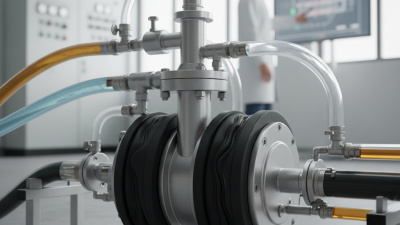
What Is a Diaphragm Pump and How Does It Work?
A diaphragm pump moves liquid by flexing a flexible membrane inside a chamber. As the diaphragm pulls back, the chamber’s volume increases and pressure drops, drawing fluid through an inlet check valve. When the diaphragm pushes forward, the chamber pressure rises, closing the inlet and opening the outlet. The repeated motion creates flow. Simple in principle. The details matter.
Many diaphragm pumps use compressed air or an electric motor to drive the diaphragm. Check valves help keep liquid moving in one direction, while the diaphragm separates the fluid from the drive mechanism. This design can handle some viscous, abrasive, or chemically challenging fluids, but no pump suits every application. Material compatibility, fluid temperature, particle size, pressure, and flow rate all deserve careful review. A gasket that looks sound may still swell after contact with an incompatible fluid.
When evaluating a 1 diaphragm pump, check the manufacturer’s specifications rather than relying on the pump name alone. Look for the rated flow and pressure, wetted materials, connection size, and maintenance guidance. In practical use, air supply quality and installation can also affect performance; a pulsing outlet may be normal, but unexpected noise or leakage deserves attention. I would not assume that “self-priming” means effortless operation in every setup. Understanding the pump’s cycle makes it easier to choose, install, and troubleshoot one with confidence.
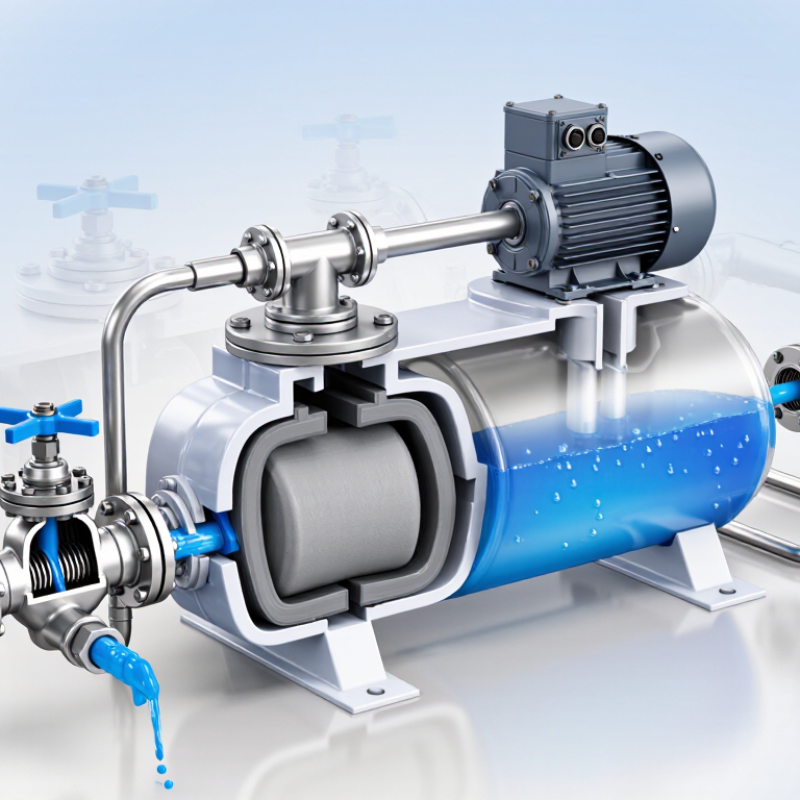
Definition and Core Components of a Diaphragm Pump
A diaphragm pump moves liquid by flexing a sealed membrane inside a chamber. The membrane shifts back and forth, changing chamber volume and creating suction and discharge. No rotating impeller touches the liquid. That matters when fluid contains suspended solids or must remain isolated from moving drive parts.
The core assembly includes a flexible diaphragm, a pump chamber, inlet and outlet check valves, and a drive mechanism. The valves open and close with pressure changes, guiding liquid in one direction. The drive may use compressed air, a motor, or hydraulic pressure. Housing and wetted materials also matter: chemical compatibility, temperature, and abrasion can affect service life. Small details count.
In an air-operated design, air alternately pushes the diaphragm, while paired check valves control flow. A damaged valve can cause poor delivery even when the diaphragm still moves. Real equipment is less tidy than a diagram. The U.S. Department of Energy and Hydraulic Institute’s Improving Pumping System Performance: A Sourcebook for Industry reports that pumping systems use nearly 20% of global electricity demand, with some industrial facilities using 25–50% of their energy for pumping. These are system-wide figures, not diaphragm-pump performance ratings. They underline why sizing the pump and its air or motor supply deserves attention.
How a Diaphragm Pump Moves Fluid
A diaphragm pump moves fluid by flexing a flexible membrane inside a chamber. The membrane separates the pumped liquid from the drive mechanism. In many designs, inlet and outlet check valves control the direction of flow. They open and close as pressure changes.
During the intake stroke, the diaphragm pulls back and enlarges the chamber. Pressure inside drops, drawing fluid through the inlet valve. Then the diaphragm pushes forward, shrinking the chamber and forcing fluid through the outlet valve. One cycle at a time. In an air-operated model, compressed air moves the diaphragm; in a mechanically driven model, a motor and linkage do the work.
The outlet flow is not always perfectly smooth. A faint pulse may show in a clear hose, especially at low flow rates. That’s normal, but it can matter in sensitive processes. Pump performance also depends on diaphragm material, valve design, fluid viscosity, and operating pressure. A thick liquid may move more slowly, while an incompatible fluid can wear or damage wetted parts. The movement sounds simple; choosing the right setup takes more thought. Check the pump’s operating limits and material compatibility for the actual fluid and conditions.
What Is a Diaphragm Pump and How Does It Work?
How a Diaphragm Pump Moves Fluid
This idealized model shows chamber displacement as a percentage of its full stroke. During the first half-cycle, the diaphragm moves outward, chamber volume increases, and the inlet check valve allows fluid in. During the second half-cycle, the diaphragm moves inward, chamber volume decreases, and the outlet check valve allows fluid to leave. The curve is a normalized illustration, not measured pump data; actual motion and flow depend on pump design and operating conditions.
Common Diaphragm Pump Types and Drive Mechanisms
Diaphragm pumps are commonly classified by how their flexible membrane is driven. Air-operated double-diaphragm (AODD) pumps use alternating compressed-air pulses to move two diaphragms, while check valves direct liquid through the chambers. They handle many slurries and can operate without an electric motor at the pump. That matters. But air quality, exhaust noise, and pulsing flow can complicate installation.
Mechanically driven pumps use a motor, crank, or cam to move the diaphragm back and forth. They suit steady transfer and metering duties, though wear on the linkage deserves regular inspection. Hydraulically actuated designs use a pressurized fluid to flex the diaphragm, separating the drive mechanism from the pumped liquid. Solenoid-driven models provide controlled strokes for small, precise dosing. Each mechanism trades simplicity, control, and maintenance differently.
The U.S. Department of Energy’s Improving Pumping System Performance: A Sourcebook for Industry reports that pumping systems account for nearly 20% of global electricity demand; in some industrial operations, they use 25–50% of energy. These figures cover pumping systems broadly, not diaphragm pumps specifically. Still, they make compressed-air losses and motor efficiency worth checking during selection. Flow rate, discharge pressure, liquid viscosity, and the cost of maintaining the drive all count. A neat specification sheet may not capture every site condition.
Typical Applications Across Industries
Diaphragm pumps serve water treatment, chemical processing, food production, mining, and construction. Their flexible diaphragm moves liquid without a rotating seal in the wetted chamber, helping contain corrosive or abrasive fluids. In treatment plants, operators use them to meter disinfectants and adjust pH. The need is substantial: USGS estimated US water withdrawals at 322 billion gallons per day in 2015, including 118 billion for irrigation. Those figures describe water demand, not diaphragm pump use, but they show the scale of fluid handling across sectors (USGS, Estimated Use of Water in the United States in 2015).
In factories, air-operated models can transfer viscous mixtures, slurries, or liquids containing small solids. A mining crew might use one to move abrasive process fluid; a food plant may choose a sanitary design for product transfer. Details matter. Abrasive particles can wear check valves, while an incompatible diaphragm material may swell or crack. Compressed-air models also consume energy, so they are not automatically the best fit for continuous service.
Tips: Check fluid compatibility, particle size, required flow, and discharge pressure against the pump specifications. For dosing, confirm that the pump can maintain the needed accuracy at the actual operating pressure. Watch the discharge line during startup; pulsation can loosen fittings or create uneven flow. A trial with the real fluid is often wiser than relying on a catalog description alone.
| Industry | Typical Fluids | Common Application | Why a Diaphragm Pump Fits | Common Pump Type |
|---|---|---|---|---|
| Chemical processing | Acids, alkalis, solvents, and chemical solutions | Transfer, dosing, and circulation in process systems | Wetted materials can be selected to suit the fluid, and the diaphragm separates the pumped liquid from the drive mechanism. | Air-operated or mechanically actuated |
| Wastewater treatment | Sludge, lime slurry, polymer solutions, and wastewater | Sludge transfer and handling of treatment chemicals | Many designs can handle solids-containing or viscous fluids; suitable operation depends on solids size and pump configuration. | Typically air-operated double diaphragm |
| Food and beverage | Syrups, sauces, flavorings, and other process liquids | Ingredient transfer and process-line supply | Appropriately designed pumps can provide gentle fluid handling and can be configured for cleanability and food-contact requirements. | Sanitary diaphragm pump |
| Mining and minerals | Mineral slurries, tailings, and abrasive suspensions | Slurry transfer and dewatering support | Some models handle abrasive or solids-bearing fluids; material choice and solids limits must be checked for the specific duty. | Heavy-duty air-operated double diaphragm |
| Paints, coatings, and printing | Paints, inks, resins, and coating materials | Bulk transfer, supply to application equipment, and recirculation | Can handle a range of viscosities, while air-driven models can be useful where compressed air is available. | Air-operated double diaphragm |
| Oil and gas | Produced water, drilling fluids, and chemical additives | Fluid transfer and injection-support duties | The pump type is available in portable and varied-material configurations; pressure, compatibility, and hazardous-area requirements must be verified. | Air-operated or mechanically actuated |
| Pharmaceutical and biotechnology | Process solutions, buffers, and selected viscous products | Batch transfer and movement of process fluids | Purpose-designed sanitary models can support clean-in-place or sterilize-in-place procedures where specified. | Sanitary diaphragm pump |
| General manufacturing | Lubricants, detergents, adhesives, and process fluids | Drum emptying, equipment supply, and intermittent transfer | Self-priming capability is available on many models, and air-operated versions can run without an electric motor at the pump. | Portable air-operated double diaphragm |
Application suitability depends on fluid compatibility, viscosity, solids content, temperature, required flow and pressure, and the pump’s materials and configuration.
Key Benefits, Limitations, and Selection Factors
A diaphragm pump moves liquid by flexing a membrane inside a chamber. As the diaphragm retracts, the chamber fills; as it advances, liquid exits through check valves. The design keeps the pumped fluid separate from the drive mechanism. This can help when handling corrosive liquids or mixtures containing suspended solids. Air-operated models can also self-prime and tolerate brief dry running. Useful, but not effortless.
The trade-offs matter. Diaphragm pumps can produce pulsating flow, and air-operated models consume compressed air. Diaphragms and valves also wear, especially with abrasive fluids or frequent cycling.
The U.S. Department of Energy’s 2006 Improving Pumping System Performance: A Sourcebook for Industry estimates that pumping systems use nearly 20% of global electricity demand. That figure covers pumps broadly, not diaphragm pumps alone; still, it makes energy use a real selection factor.
Check required flow and pressure, fluid viscosity, solids size, chemical compatibility, and expected maintenance access. Ask suppliers for operating curves and air-consumption data, then test under actual conditions where possible.
A paper match can be misleading. Small details—like a long suction line or frequent starts—may change performance more than expected.
Related Posts
-
2026 How to Choose the Right 2 Diaphragm Pump for Your Needs?
-
2026 Best Diaphragm Pump Options for Your Needs?
-
What is an Air Diaphragm Pump and How Does It Work?
-
Top 10 Best Diaphragm Pumps for Global Buyers in 2026
-
Best Diaphragm Pumps for Efficiency and Reliability in 2023
-
What is an Air Diaphragm Pump and How Does it Work?