What Are the Top Power Washer Pump Types?
Choosing the right power washer pump begins with understanding how pressure, flow, heat, and duty cycles interact. A pump is not merely a replaceable engine accessory. It controls cleaning consistency, operating life, maintenance frequency, and equipment cost.
Industry research shows why this market deserves careful comparison. Grand View Research’s Pressure Washer Market Size, Share & Trends Analysis Report identifies rising demand for efficient cleaning equipment across residential, commercial, and industrial applications. The Freedonia Group’s Cleaning Equipment industry analysis also highlights stronger demand for durable machines and water-efficient operation. However, these reports usually classify complete pressure washers, not individual pump designs. That limitation matters. Published market figures should not be treated as precise evidence for pump-type popularity.
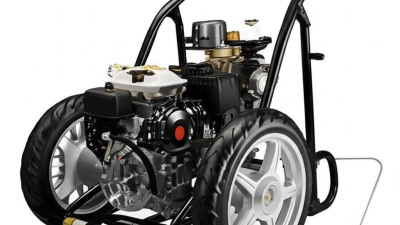
In practical use, axial cam pumps often suit compact residential machines. They are affordable, lightweight, and simple to replace. Wobble-plate pumps can provide similar convenience, although their service life may vary under frequent commercial use. Triplex plunger pumps generally support higher pressure, longer duty cycles, and easier component servicing. Belt-drive systems can reduce vibration and pump heat, especially during extended operation. They also require more space and maintenance.
No single pump wins every application. A homeowner cleaning a patio may value low price and easy storage. A contractor washing concrete needs stable flow, durable seals, and accessible parts. Specifications can mislead when PSI is promoted without matching gallons per minute. That is an easy mistake. This guide compares the top power washer pump types through construction, performance, maintenance, operating cost, and real-world suitability, while recognizing that manufacturer claims still require independent verification.
What Is a Power Washer Pump and How Does It Work?
A power washer pump converts motor power into pressurized water. The motor turns a shaft inside the pump housing. This movement drives pistons or plungers through repeated strokes. During each intake stroke, an inlet valve opens and draws water into the chamber. The outlet valve then opens as pressure rises. Water leaves through the hose in a focused, forceful stream.
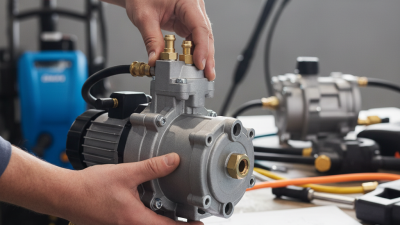
The main pump types include axial cam, wobble plate, and triplex plunger designs. Axial cam pumps are compact and common on light-duty machines. Wobble plate pumps use angled movement to push their pistons. Triplex plunger pumps use three plungers and usually handle longer working periods. They need accurate maintenance. Small parts matter. A worn seal can reduce pressure before the problem becomes obvious.
In practical use, clean water is essential. Sediment can scratch valves and shorten pump life. I once assumed low pressure always meant a weak motor. That was not correct. A blocked inlet screen, trapped air, or a worn unloader valve can create the same symptom. Run the washer with a steady water supply, and never let the pump run dry. Check leaks after each use. Cooling depends on water flow, not guesswork. The pump may feel solid, but internal wear can remain hidden.
What Are the Main Types of Power Washer Pumps?
Power washer pumps come in several designs, but axial cam, triplex plunger, and wobble plate pumps are the main types. Each design affects pressure, water flow, heat control, and service life. The best choice depends on cleaning frequency, water supply, and the surface being washed.
Axial cam pumps are common on compact residential machines. They sit directly above the motor and keep the unit short and affordable. Their pistons move against an angled plate, producing useful pressure for patios, vehicles, and garden furniture.
Wobble plate pumps use a similar compact layout, but their moving parts often face greater friction. They can work well for light tasks, though frequent daily use may expose their limits. Keep the inlet filter clean. Small debris can score internal surfaces.
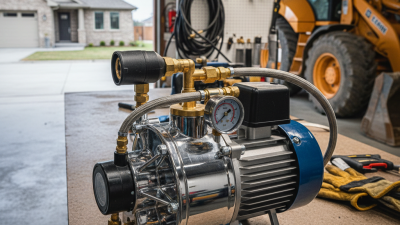
Triplex plunger pumps use three plungers and crank-driven movement. This design usually handles longer operating periods, higher pressure, and better heat management. Contractors often prefer it for repeated washing, large concrete areas, and equipment cleaning. The pump normally costs more and may require oil changes, seal inspections, and careful winter storage.
A practical mistake is judging pumps by pressure alone. Flow rate matters too. A high-pressure pump with weak water delivery can clean slowly.
I have also seen users run pumps dry for convenience. That quickly damages seals. No pump type is perfect, and manufacturer specifications should be checked against the available water supply and working temperature.
How Do Axial Cam, Triplex Plunger, and Wobble Plate Pumps Differ?
Axial cam, triplex plunger, and wobble plate pumps differ mainly in drive design, durability, and duty cycle. An axial cam pump uses pistons arranged around a central shaft. It is compact, direct-driven, and usually economical for household cleaning. A wobble plate pump pushes pistons through a tilted plate, making the design simple and lightweight. Both suit short cleaning sessions, but heat and seal wear can appear quickly under continuous use.
Triplex plunger pumps use three plungers, a crankshaft, and separate valves. Their flow is smoother, vibration is lower, and service life is generally longer under demanding commercial work. They also cost more and need careful oil, seal, and valve maintenance. The distinction is not absolute. A well-built axial cam pump can outperform a poorly maintained triplex unit.
The U.S. Department of Energy’s Improving Pumping System Performance sourcebook identifies energy as a major lifetime pumping cost, so efficiency matters beyond purchase price. Hydraulic Institute and Europump’s Pump Life Cycle Costs guide similarly emphasizes energy, maintenance, and downtime when comparing pump systems. For pressure washers, compare rated PSI and GPM, not peak numbers alone. A 3,000-PSI machine at 2.5 GPM feels different from one producing the same pressure at 4 GPM. Check actual duty hours, water temperature, inlet filtration, and repair access. Some specifications remain optimistic. That deserves skepticism.
Which Power Washer Pump Type Fits Each Cleaning Task?
What Are the Top Power Washer Pump Types?
Which Power Washer Pump Type Fits Each Cleaning Task?
Wobble plate pumps
Wobble plate pumps suit light, occasional cleaning around the home. They handle patios, garden furniture, bins, and small vehicles well. Their compact design keeps machines affordable and easy to store. Use short cleaning sessions and cool water. A wobble plate pump may struggle with long daily work, especially when heat builds inside the housing. I have found that stopping every 20 to 30 minutes can reduce strain, though the exact interval depends on water flow and operating pressure.
Axial cam pumps
Axial cam pumps offer a practical step up for regular household cleaning. They produce stronger pressure and usually last longer than basic wobble plate models. Choose one for driveways, fences, decks, and larger vehicles. Check the inlet filter before each job. A blocked filter can make a capable pump feel weak. This is easy to overlook. It happened during a driveway cleaning test, and the pressure dropped noticeably after several minutes.
Triplex plunger pumps
Triplex plunger pumps fit demanding commercial or farm tasks. They use three plungers to deliver steady flow under heavy workloads. These pumps work well for equipment, building exteriors, and repeated concrete cleaning. Their higher cost can be justified when downtime matters. They also need better maintenance, including oil checks, seal inspections, and correct winter storage. For hot-water cleaning, confirm the pump’s temperature rating first. Pressure alone does not determine performance; flow rate, hose size, nozzle choice, and water supply matter just as much.
How Should Different Power Washer Pumps Be Maintained?
Power washer pump maintenance depends on the pump’s design, workload, and water quality. Axial cam pumps usually need less servicing, but their sealed assemblies can limit repairs. Triplex plunger pumps require closer attention because they contain oil, valves, and replaceable seals. Belt-driven pumps also need belt tension and bearing checks. The pump type matters.
Before every use, inspect the inlet filter and hose for blockage. A restricted water supply can make the pump cavitate, producing a sharp rattling sound. Never run the machine dry, even for a short test. Keep the inlet water clean and steady. After operation, release pressure from the trigger and drain trapped water. This reduces stress on seals and fittings.
Triplex pump oil should be checked regularly and replaced according to the service manual. Milky oil may indicate water contamination and needs prompt investigation. Inspect axial pump fittings for leaks, although many internal parts are not practical to rebuild. On belt-driven units, check alignment, tension, and unusual vibration. A loose belt can slip; an overly tight belt can damage bearings. For storage in freezing weather, remove water and use an appropriate pump-safe antifreeze procedure. I used to focus mainly on oil levels. That was incomplete. Filters, water supply, and storage often determine pump life more than expected. Keep a simple service log with dates, symptoms, and repairs. Small details reveal recurring problems.
What Are the Top Power Washer Pump Types? - How Should Different Power Washer Pumps Be Maintained?
| Power Washer Pump Type | Typical Construction and Pressure Range | Best-Suited Applications | Key Advantages | Recommended Maintenance | Typical Service Timing | Common Warning Signs |
|---|---|---|---|---|---|---|
| Axial Cam Pump | Compact direct-drive pump commonly used on light- to medium-duty electric and gas pressure washers. Typical working pressure is approximately 1,300–3,500 psi, depending on the washer design. | Vehicles, patios, outdoor furniture, small decks, siding, and occasional residential cleaning. | Compact size, lower initial cost, simple direct-drive layout, and easy integration into portable machines. | Use clean, filtered water; never run the pump dry; release trigger pressure after use; flush detergent and mineral deposits; inspect hose connections and inlet screens; protect the pump from freezing. | Inspect before every use. Flush after each use. Check for leaks and abnormal noise every 10–25 operating hours or according to the equipment manual. | Pressure fluctuates, excessive vibration, pulsing spray, water leaking near the pump, overheating, or a noticeable drop in flow. |
| Triplex Plunger Pump | Three-plunger positive-displacement pump, usually belt-, gear-, or direct-drive. Commonly used in professional machines from about 2,000–5,000 psi and beyond. | Frequent commercial cleaning, concrete, heavy equipment, agricultural surfaces, building exteriors, and demanding industrial work. | High efficiency, strong durability, consistent pressure, repairable components, and better suitability for extended operating periods. | Check crankcase oil level and condition; change oil at the interval specified for the pump; inspect plungers, seals, valves, packings, and unloader operation; keep inlet water free of air and debris; lubricate only with the specified lubricant. | Check oil before each shift. Inspect valves and seals regularly. Replace oil commonly after the initial break-in period and then at scheduled operating-hour intervals specified by the manufacturer. | Oil becoming milky, oil level rising, pressure loss, visible water leakage, knocking sounds, overheating, or pressure that rapidly cycles. |
| Wobble-Plate Pump | Light-duty axial pump using a wobble plate to move pistons. It is generally found on compact residential machines with moderate pressure and flow. | Short cleaning tasks such as garden paths, small vehicles, grills, bins, and light household maintenance. | Lightweight, inexpensive, compact, and relatively simple for occasional use. | Use a stable water supply; avoid long periods of bypass operation; do not exceed the rated inlet temperature; drain and dry the system after use; use pump-protection fluid when storing for extended periods. | Inspect before each use and flush after use. Perform a storage procedure before seasonal shutdown or any period of several weeks without operation. | Low or uneven pressure, piston noise, pump housing overheating, water leaks, or failure to build pressure after the trigger is released. |
| Belt-Drive Plunger Pump | Plunger pump separated from the engine by belts and pulleys. The belt reduces vibration and pump speed, supporting high-flow, heavy-duty operation. | Commercial fleet washing, long-duration cleaning, concrete preparation, industrial maintenance, and systems requiring high flow. | Lower pump speed, reduced vibration, improved cooling, easier service access, and good tolerance for demanding operating cycles. | Inspect belt tension, alignment, and wear; check pulley guards; maintain crankcase oil; inspect shaft seals and valves; verify that the belt drive is properly ventilated and protected from contamination. | Inspect belts and guards before each use. Check alignment and tension regularly. Change pump oil and replace worn belts according to operating hours and the service manual. | Belt squeal, belt dust, pulley wobble, vibration, pressure fluctuation, oil leakage, or reduced pump speed. |
| Gear-Drive Plunger Pump | Positive-displacement plunger pump driven through a gear reduction system. It is designed for controlled pump speed and demanding professional use. | Continuous commercial cleaning, high-flow wash systems, industrial equipment, and installations where compact drive packaging is useful. | Efficient power transfer, controlled pump speed, compact installation, and reliable performance under sustained loads when properly lubricated. | Check gear-case oil level and condition; inspect for oil leaks; maintain correct inlet filtration; examine couplings and mounting bolts; avoid cavitation caused by restricted hoses or insufficient water supply. | Inspect oil, leaks, fittings, and mounts before operation. Follow the pump manual for gear-oil replacement and periodic internal inspection. | Gear noise, excessive heat, oil contamination, vibration, inconsistent pressure, or a sudden change in operating sound. |
| Stainless-Steel or Brass-Head Plunger Pump | A plunger-pump configuration using corrosion-resistant materials in the pump head. Actual pressure and flow depend on the complete pump assembly. | Frequent washing, applications exposed to moisture or mild cleaning chemicals, and systems requiring improved corrosion resistance. | Good corrosion resistance, robust serviceability, and compatibility with many professional cleaning setups when chemical limits are respected. | Flush chemicals with clean water; never leave detergent in the pump; inspect fittings and seals for chemical attack; maintain oil and inlet filtration; use only approved cleaning agents and concentrations. | Flush after every chemical-use session. Inspect seals, valves, and fittings at regular operating-hour intervals and before extended storage. | Discolored fittings, chemical odor, leaking seals, pressure loss, sticking valves, or surface corrosion around connections. |
| Electric Motor-Driven Pump | Pump powered by an electric motor, usually with a direct-drive or compact geared arrangement. Pressure and flow vary widely by machine size and electrical supply. | Indoor cleaning, residential work, workshops, food-service areas where permitted, and locations with reliable electrical power. | Lower local emissions, quiet operation compared with many combustion engines, easy starting, and consistent speed. | Keep electrical connections dry; inspect the power cord, plug, ground-fault protection, and ventilation openings; use the correct extension-cord rating; prevent water from entering the motor; follow pump-specific lubrication requirements. | Inspect electrical and water connections before every use. Clean ventilation openings regularly. Have insulation, grounding, and motor components checked if faults or overheating occur. | Motor humming, tripped protection, overheating, intermittent operation, unusual electrical odor, pressure loss, or repeated start-stop cycling. |
| Gasoline-Engine-Driven Pump | Pump powered by an internal-combustion engine, commonly paired with axial, belt-drive, gear-drive, or triplex pump assemblies. | Outdoor commercial work, remote locations, large-area cleaning, construction sites, and tasks requiring high flow or extended runtime. | Portable operation without mains electricity, high power availability, and suitability for demanding outdoor applications. | Maintain engine oil, air filter, spark plug, fuel system, and cooling areas; maintain the pump separately; never operate in an enclosed space; stabilize or drain fuel for long-term storage; protect the pump from freezing. | Check fluids, fuel, hoses, and guards before each use. Follow engine and pump operating-hour schedules for oil changes, filter service, belt inspection, and valve or seal checks. | Hard starting, engine surging, overheating, exhaust smoke, pump pressure fluctuation, excessive vibration, or fuel and oil leaks. |

General maintenance principle: Always follow the pump and pressure-washer service manual for exact oil specifications, pressure limits, water-temperature limits, chemical compatibility, replacement intervals, and winterization procedures. Clean water supply, correct inlet flow, proper storage, and avoiding dry running are essential for nearly every pump type.
Related Posts
-
China Top 10 Power Washer Pump Manufacturers?
-
Top 10 Power Washer Pumps for Global Buyers?
-
How to Choose the Right Power Washer Pump?
-
10 Essential Tips for Choosing the Right Power Washer Pump for Optimal Performance
-
Why Choose the Right Power Washer Pump for Your Cleaning Needs?
-
Unlock the Power: Essential Tips for Choosing the Best Power Washer Pump for Your Needs