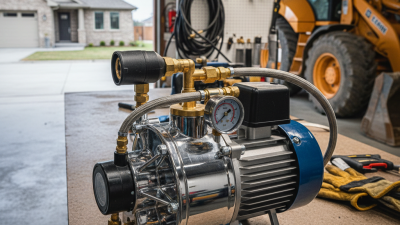
How to Choose the Right Power Washer Pump?
Choosing the right power washer pump is less about chasing the highest pressure number. It is about matching the pump to your machine, water supply, cleaning task, and maintenance habits. A pump rated for 4,000 PSI may appear impressive, but it can waste money if your engine cannot support its flow requirements.
Doug Mahoney, a respected tool-testing expert, offers a useful reminder: “A pump’s pressure rating matters only when the whole machine can sustain it.” That principle should guide every comparison. Check PSI and GPM together. Confirm the pump’s shaft size, mounting pattern, inlet location, and compatibility with your engine. A mismatch may cause vibration, leaks, weak cleaning performance, or premature failure.
Start with the job. Light patio cleaning needs different performance than fleet washing or agricultural equipment. Triplex pumps usually provide stronger durability for frequent use, while axial-cam pumps can suit occasional residential cleaning. Material also matters. Brass heads often handle demanding conditions better than cheaper plastic components, though they increase the purchase price.
Small details matter.
Review the manufacturer’s specifications carefully. Look for thermal relief protection, replacement-part availability, warranty coverage, and clear maintenance instructions. Experienced technicians also recommend checking oil levels and avoiding dry operation. I once focused too heavily on pressure and overlooked water volume. That choice would have created unnecessary wear. The better decision considers the entire system, not one attractive number. A reliable power washer pump should deliver suitable performance today and remain serviceable after months of real work.
Understanding Power Washer Pump Types
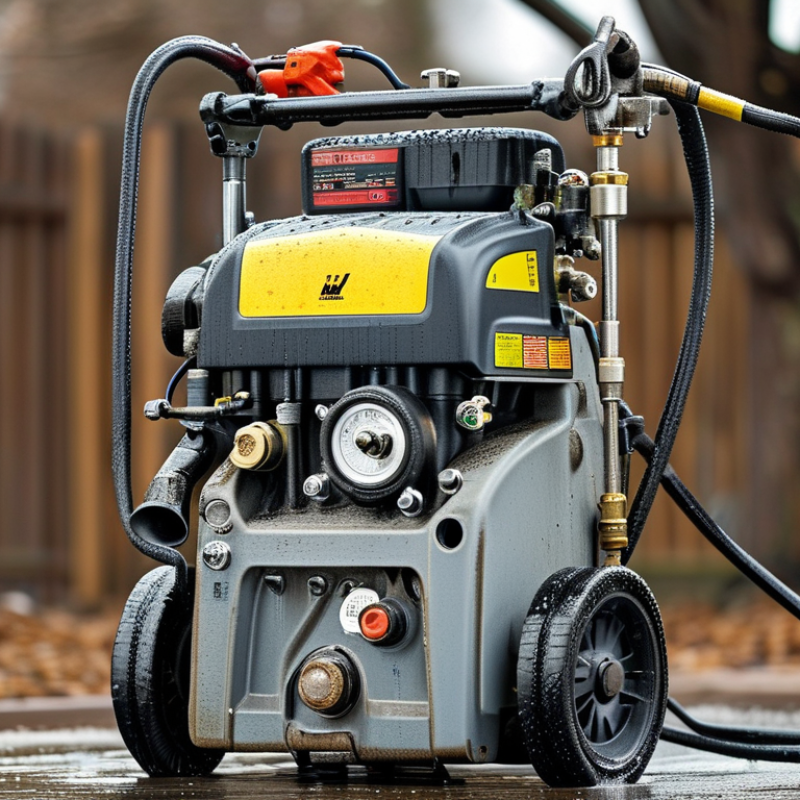
Choosing the right power washer pump starts with understanding pump types, not chasing the highest pressure number. Axial-cam pumps suit occasional residential cleaning because they are compact and affordable. Triplex-plunger pumps use three plungers for smoother flow, stronger efficiency, and longer service under frequent use. Diaphragm pumps handle some abrasive or chemically demanding fluids, but they usually need lower-pressure applications.
Pump selection should match cleaning frequency, water temperature, and required flow rate. The U.S. Department of Energy reports that pumping systems can represent 25% to 50% of electricity use in industrial motor systems. That figure is not a direct pressure-washer statistic, but it highlights why hydraulic efficiency matters. A pump producing 2,000 psi at 2 gallons per minute delivers about 2.3 hydraulic horsepower. Smaller motors may struggle if the pump is poorly matched.
Watch the inlet.
During equipment checks, I have seen users blame a weak pump when a blocked filter or restricted hose caused cavitation. That assumption is easy, but incomplete. Choose a pump with compatible seals, thermal protection, and a realistic duty cycle. A triplex design may cost more initially, yet its serviceable valves and plungers can reduce downtime. The Hydraulic Institute recommends evaluating the complete pumping system, including controls, piping, and operating conditions, rather than judging efficiency from one component alone. Data sheets still need judgment. Sometimes, the “stronger” pump is simply oversized.
Matching Pump Specifications to Cleaning Requirements
How to Choose the Right Power Washer Pump?
Matching Pump Specifications to Cleaning Requirements
Pump selection should begin with the cleaning task, not the highest advertised pressure. PSI controls impact, while GPM controls rinsing speed. A concrete driveway may need strong pressure and steady water flow. Painted siding usually needs less pressure to prevent surface damage. Check the machine’s real output, not only its maximum rating. A pump rated for 3,000 PSI but supplied with limited water may clean poorly. It can also overheat.
Match the pump’s duty cycle to your working routine. Occasional household cleaning may suit a light-duty axial pump. Frequent commercial work generally requires a more durable pump, stronger seals, and reliable heat management. Consider water temperature, too. Hot-water systems need components designed for elevated temperatures. Confirm inlet size, engine speed, and required flow before purchasing. A small mismatch can create vibration, weak performance, or premature wear. Higher PSI looks impressive, but it is not always better. That assumption deserves another look.
Tips: Measure your available water flow with a bucket and timer. Choose a pump that meets your target GPM without running constantly at its limit. Keep inlet filters clean, use the correct oil when required, and never run the pump dry. Inspect leaks early. A few minutes of checking can prevent an expensive repair.
Checking Compatibility with Your Power Washer
Choosing a power washer pump begins with compatibility, not maximum pressure. Match the pump’s rated PSI and GPM with your washer’s engine or motor output. A pump rated too high can overload the drive system. A weak pump may cause poor cleaning and overheating.
Check the mounting pattern, shaft diameter, shaft length, rotation direction, and keyway size. Then inspect the inlet and outlet fittings. Even a small mismatch can restrict water flow. The pump must also accept your washer’s unloader valve, thermal relief valve, and hose connections. In field inspections, inlet starvation is common. A clogged filter or narrow garden hose can imitate pump failure.
The U.S. Department of Energy’s Pump Life Cycle Costs guide states that energy may represent 40% or more of a pumping system’s lifetime cost. Efficiency matters. A correctly sized pump reduces wasted power and mechanical stress. The U.S. Consumer Product Safety Commission recorded an estimated 6,057 pressure-washer injuries from 2014 to 2018. That figure reinforces the need for stable pressure and secure connections.
Do not rely on appearance alone. Measure the old pump carefully. Confirm the engine’s available horsepower and maximum operating speed. I once treated fitting size as the main issue; the real problem was incorrect shaft rotation. That mistake was expensive. Check the service manual, but question unclear specifications. The label may show peak pressure, not continuous working pressure.
Evaluating Materials, Durability, and Maintenance Needs
Choosing a power washer pump starts with its materials, not its advertised pressure. In field inspections, brass and stainless-steel components generally resist corrosion better than basic aluminum. However, material alone does not guarantee long service life. Check the pump head, valves, seals, and connecting fittings separately. A pump may have a strong metal housing but soft seals that fail under heat. This detail is easy to miss.
Durability depends on water quality, operating temperature, and workload. Hard water can leave mineral deposits around valves and narrow internal passages. Dirty inlet water can scratch moving parts like fine sandpaper. Use an inlet filter, keep the water supply steady, and avoid running the pump dry. Short cooling pauses matter during extended cleaning. In my maintenance checks, pumps often fail from neglected water flow rather than normal pressure. That finding can be uncomfortable, because operators sometimes blame the machine too quickly.
Maintenance needs should influence your purchase decision. Look for accessible oil-fill points, replaceable seals, and clear service instructions. Confirm the recommended oil type and change interval in the technical manual. Inspect hoses and fittings before each use, then drain the pump before storage in freezing conditions. Keep records of operating hours and repairs. They reveal gradual changes. A pressure drop, unusual vibration, or cloudy oil deserves attention before a major failure develops. I would not choose the highest-rated pump automatically; a slightly lower-rated model with easier servicing may prove more reliable. Still, service conditions vary, and no recommendation replaces verified technical specifications.
Comparing Cost, Performance, and Replacement Options
Choosing the right power washer pump requires more than comparing pressure numbers. A pump rated at 3,000 PSI may perform poorly if its flow rate does not match your cleaning tasks. Check both PSI and GPM, then compare them with your machine’s motor capacity. Higher output usually costs more, but it can reduce cleaning time on large driveways or equipment. For occasional home use, a moderate pump may offer better value.
Performance also depends on construction and working conditions. Brass or reinforced components often tolerate frequent use better than basic materials. Confirm the shaft size, mounting pattern, inlet position, and connection type before buying a replacement. A small mismatch can create leaks, vibration, or early failure.
I once focused too much on pressure and overlooked the mounting space. The replacement technically worked, but installation became unnecessarily difficult.
Tips: Calculate the total cost, not only the purchase price. Include fittings, oil, shipping, and possible labor. Ask how easily internal parts can be serviced. A repairable pump may cost more initially but save money over several seasons. Check the duty cycle as well. Continuous operation can overheat a pump designed for short cleaning sessions. Keep the original model details and measurements nearby when comparing options. Some replacement claims sound attractive, but real compatibility still needs careful verification.
Related Posts
-
Why Choose the Right Power Washer Pump for Your Cleaning Needs?
-
10 Essential Tips for Choosing the Right Power Washer Pump for Optimal Performance
-
Unlock the Power: Essential Tips for Choosing the Best Power Washer Pump for Your Needs
-
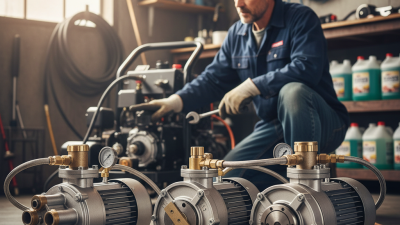
Best Power Washer Pump Types for Maximum Cleaning Efficiency
-
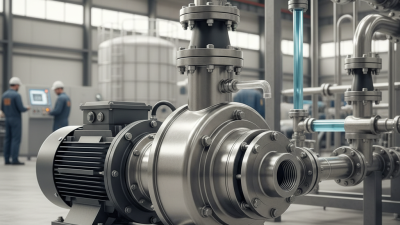
Top 10 Diaphragm Water Pumps for Global Buyers in 2026?
-
Maximizing Efficiency with Industrial Water Hose Reels for Optimal Fluid Management in Manufacturing