How to Choose the Best Soft Wash Pump in 2026?
Choosing the best soft wash pump in 2026 requires more than comparing pressure ratings. A pump may look powerful on paper, yet struggle with thick cleaners, long hoses, or repeated daily use. The right choice depends on flow rate, chemical resistance, power supply, duty cycle, and serviceability. Small details matter. A weak connector can stop an entire job.
AC Lockyer, a recognized soft-washing educator and founder of SoftWash Systems, has stated, “Soft washing is about using chemistry, not pressure, to clean.” That principle remains important when evaluating a soft wash pump. Excessive pressure can damage siding, roofing materials, wood, and delicate landscaping. A dependable pump should deliver steady flow while applying cleaning solution evenly. It should also tolerate common soft-wash chemicals when used according to the manufacturer’s instructions.
This guide examines practical pump choices for contractors and property owners. It considers electric, gas-powered, and battery-supported systems. It also compares diaphragm materials, gallons per minute, maximum operating pressure, hose length, and maintenance needs. Real-world performance matters more than impressive advertising.
Some recommendations may not fit every operator. That is worth admitting. A compact electric pump can be ideal for residential work but disappointing on large commercial buildings. A high-output model may save time but increase water use and maintenance costs. Your equipment, workload, climate, and cleaning methods should shape the final decision. Choose carefully. A pump is not merely a machine; it controls consistency, safety, and the quality of every surface you clean.
What Is a Soft Wash Pump and How Does It Work?
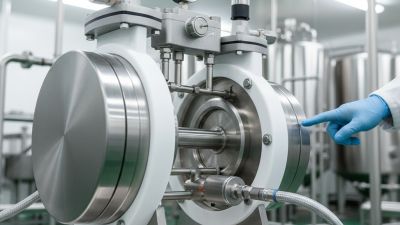
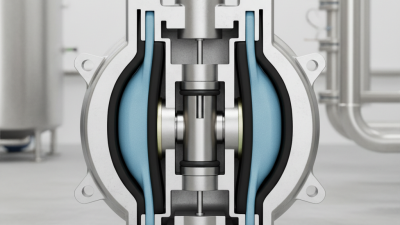
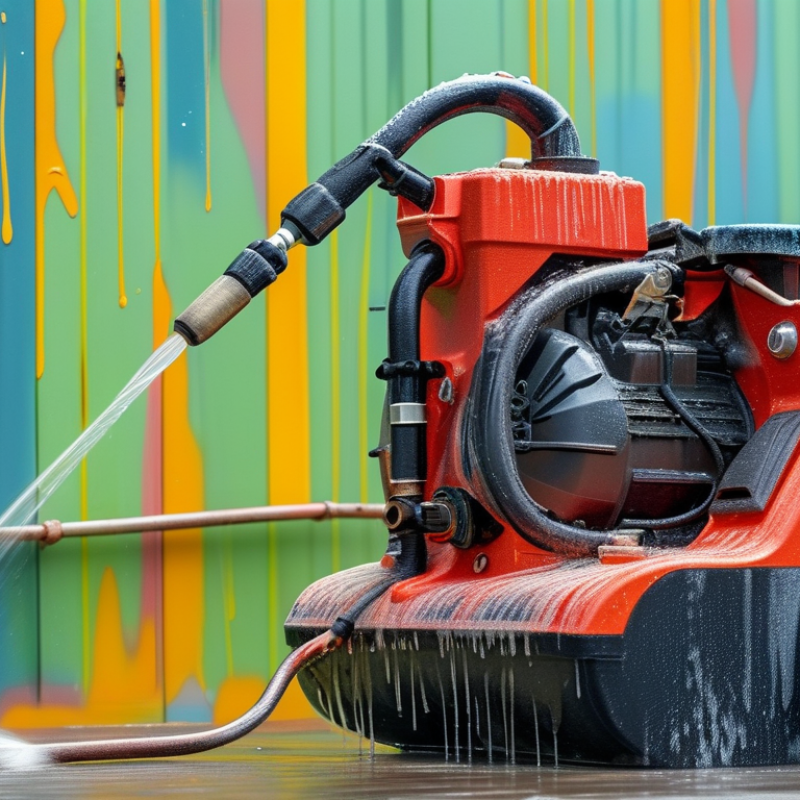
A soft wash pump moves cleaning solution at moderate pressure and steady flow. Unlike a high-pressure washer, it relies on chemical action rather than force alone. The pump draws diluted solution from a tank, passes it through a diaphragm or similar mechanism, and sends it through a hose and spray wand. An adjustable nozzle then spreads the solution across siding, roofs, or masonry.
The pump’s flow rate controls coverage speed. Its pressure rating affects reach and spray pattern. A reliable unit should resist common cleaning chemicals, protect its motor from overheating, and include easy-to-replace seals. Match the pump to your work area. A small residential job may need less flow than commercial cleaning. More power is not always better. I once assumed higher pressure meant faster results, but it often increased runoff and surface risk.
Tips:
Check chemical compatibility before use. Inspect hoses, fittings, and filters before each job. Keep the pump away from dry running, which can damage internal parts quickly. Select a model with accessible replacement components and clear operating instructions. A flow meter can help maintain consistent dilution. Do not trust impressive numbers alone; real performance depends on hose length, elevation, nozzle size, and solution thickness.
One detail is easy to miss. A pump that looks powerful on paper may perform poorly after a long hose is attached. Practical testing matters.
Key Pump Specifications for Soft Washing Applications
How to Choose the Best Soft Wash Pump in 2026?
Key Pump Specifications for Soft Washing Applications
Choosing a soft wash pump starts with matching specifications to the worksite. Flow rate, measured in gallons per minute, affects rinsing speed and chemical delivery. Many residential jobs work well with moderate flow, while larger roofs need more capacity. Pressure is not everything. Excessive pressure can damage siding, loosen paint, or force water behind surfaces.
Check the pump’s maximum pressure and operating pressure separately. A practical system may operate below its limit for longer service life. Diaphragm construction is common because it handles diluted cleaning solutions and intermittent use. Confirm chemical compatibility with every wetted component, including seals, valves, hoses, and fittings. One overlooked seal can fail early. That detail matters.
Voltage and power draw also deserve careful attention. A pump should match the available battery, generator, or electrical supply without repeated voltage drops. Self-priming capability helps when the tank sits below the pump, but the specified lift height must be realistic. Review duty-cycle ratings before extended work. A unit rated for short cycles may overheat during commercial cleaning. Thermal protection is useful, although it cannot replace proper pauses and ventilation.
Hose length changes performance. Long or narrow hoses create resistance and reduce flow at the nozzle. Measure the job. An adjustable bypass valve can improve control, but operators sometimes set it too aggressively and waste energy. I would test flow with the actual hose, wand, and solution before purchase. Manufacturer data helps, yet field measurements reveal weaknesses that a specification sheet may hide.
How to Match Pump Type and Capacity to Your Cleaning Needs
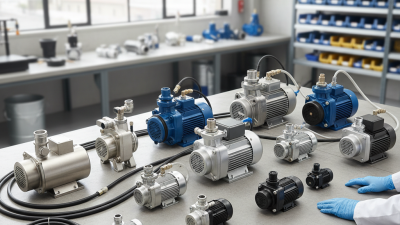
Choosing a soft wash pump starts with the surface, not the catalog number. Delicate siding often needs steady chemical delivery rather than extreme pressure. A diaphragm pump is a practical choice for chemical resistance and consistent flow. A piston pump may suit clean-water tasks, but harsh solutions can shorten seal life. Check every wetted component against the solution’s safety data and concentration. Small details matter.
Match capacity to hose length, elevation, and crew speed. For a small home, 5–7 gallons per minute can provide workable coverage without excessive runoff. Larger buildings may need 8–12 gallons per minute, especially with long hoses or multiple operators. Pressure should remain moderate, often near 60–100 PSI at the nozzle. The pump’s advertised rating is not the delivered output. Friction, bends, filters, and vertical lift reduce it. Measure flow at the hose end with a timed container.
I once sized a pump by its maximum flow and ignored a second-story roof. The result was slow application and needless waiting. That mistake changed my checklist. Leave reserve capacity for clogged filters, colder fluids, and gradual wear. Also verify duty cycle, electrical demand, priming ability, and easy access for flushing. A slightly larger pump can improve consistency, but oversizing may waste solution and increase maintenance. Test the setup on a small area, record actual flow, and adjust your choice before expanding the job.
How to Choose the Best Soft Wash Pump in 2026?
Match pump type and capacity to the cleaning area, hose length, and required application speed.
Typical planning ranges: 5–8 GPM is suitable for residential siding and roof cleaning, while 8–12 GPM fits commercial façades and larger properties. Systems above 10 GPM are generally better for large roofs or jobs where faster coverage is important. Actual performance depends on hose length, nozzle size, elevation, chemical concentration, and water supply.
Safety, Chemical Compatibility, and Maintenance Considerations
How to Choose the Best Soft Wash Pump in 2026?
Safety should guide pump selection before flow rate or price. In 2023, the U.S. Bureau of Labor Statistics recorded about 2.6 million nonfatal workplace injuries and illnesses. Chemical handling remains a practical risk. Choose a pump with sealed connections, stable pressure control, and an emergency shutoff. Keep the Safety Data Sheet nearby. Wear chemical-resistant gloves, eye protection, and suitable protective clothing. Small leaks become serious on wet concrete.
Chemical compatibility is equally important. Sodium hypochlorite can damage unsuitable metals, seals, and plastics. Confirm compatibility with the pump’s fluid chamber, diaphragm, valves, fittings, and hose. Do not rely on a sales description. The material chart matters more. The U.S. Chemical Safety Board repeatedly highlights weak hazard communication as a factor in preventable incidents. That warning deserves attention.
Maintenance determines whether the pump remains predictable. Flush the system with clean water after every chemical application. Inspect diaphragms, seals, wiring, and hose connections before storage. Check for swelling, cracking, stiffness, or unusual vibration. Replace worn parts early. A pump can still run while quietly losing chemical resistance. That is easy to miss. I would also record chemical concentration, operating hours, and repairs in a simple log. The process may feel excessive, but it exposes patterns before failure. Manufacturers’ chemical charts and OSHA’s Hazard Communication Standard should support every final choice.
How to Compare Soft Wash Pumps by Cost, Quality, and Warranty
Choosing the best soft wash pump in 2026 requires more than comparing the lowest price. I have learned this after watching a cheap pump lose pressure during a long exterior cleaning job. The purchase seemed economical. The downtime was not. Compare the complete cost, including hoses, fittings, replacement diaphragms, electrical protection, and expected maintenance.
Quality appears in practical details. Check the pump’s working flow rate, pressure range, chemical resistance, and duty cycle. Do not trust the maximum number printed on a product page. Ask whether that rating applies under real operating conditions. A pump that delivers steady flow at moderate pressure may outperform a faster model that overheats. Inspect the housing, wiring, connections, and service access. Small details matter.
Warranty terms deserve equal attention. Read the coverage period, exclusions, claim process, and requirements for installation. Some warranties may exclude damage from improper voltage, dry running, freezing, or unsuitable chemicals. That is reasonable, but vague language should raise questions. Ask how replacement parts are supplied and how quickly technical support responds. I once assumed a longer warranty meant better reliability. That assumption was wrong. A shorter warranty with clear coverage and available parts can offer greater practical value. Keep invoices and maintenance records. They can protect your claim. More importantly, they reveal how responsibly you operate the equipment.