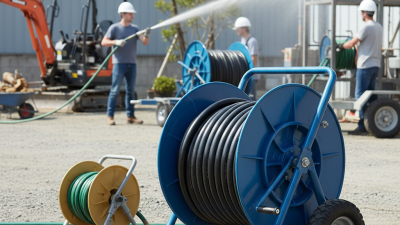
How to Choose the Right Heavy Duty Hose Reel?
Choosing the right heavy duty hose reel is more than comparing prices and metal finishes. The wrong model can kink a hose, strain a mounting bracket, or create a dangerous trip hazard beside a workbench. A reel used in a repair shop faces different demands from one installed on a farm, service truck, or construction site. Hose length, fluid type, pressure rating, temperature range, and daily frequency all matter.
Start with the working environment. Measure the distance from the reel to the farthest connection point, then add enough reach for comfortable movement. A hose that barely reaches is frustrating. A hose that is excessively long adds weight and increases drag. Steel reels often handle rough industrial conditions, while reinforced polymer housings may resist corrosion in damp areas. Check the swivel, spring, locking mechanism, and mounting plate carefully. These small components often decide whether a reel remains dependable after months of pulling and rewinding.
Safety should guide the selection. Confirm that the reel’s pressure rating exceeds the equipment’s maximum working pressure, not merely its average pressure. Match the hose material to air, water, oil, or other approved applications. Product listings can be vague. That deserves skepticism. Look for clear specifications, warranty terms, replacement-part availability, and testing information from established manufacturers or distributors. A perfect choice on paper may still fail if installation is weak or maintenance is ignored. Leave room for honest review: even a well-built heavy duty hose reel can suffer when exposed to misuse, poor storage, or neglected fittings.
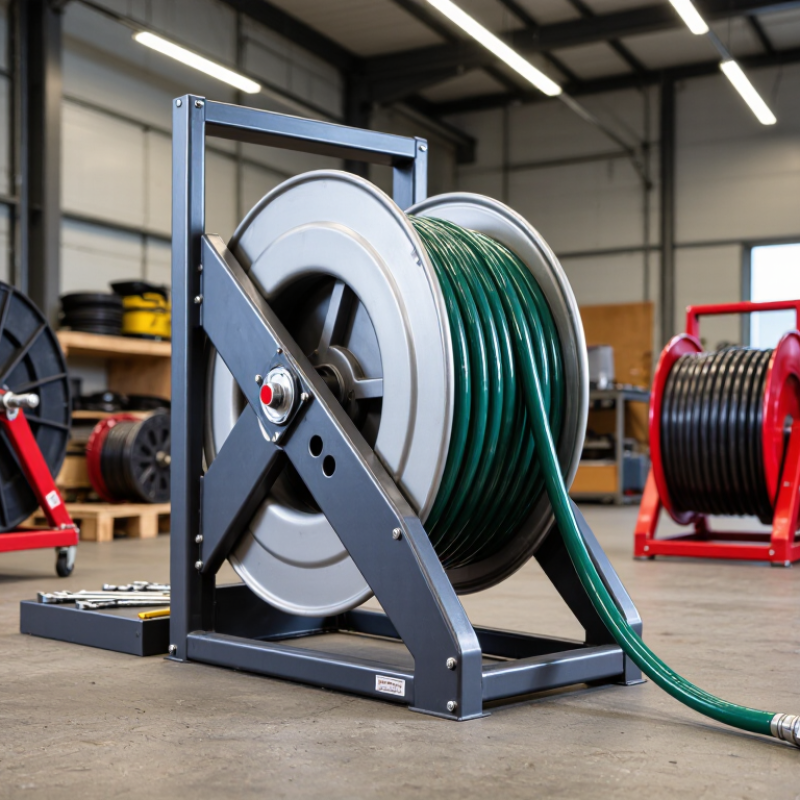
Define the Application and Working Conditions
Choosing the right heavy duty hose reel starts with the application, not the reel’s appearance. Identify the fluid, pressure, temperature, hose length, and required flow rate. A water hose may need different materials from one carrying compressed air, oil, chemicals, or hot cleaning fluid. Check compatibility data, not assumptions.
Working conditions matter just as much. Measure available space and observe how operators pull, rewind, and store the hose. A reel near welding sparks needs heat protection. Outdoor units may face ultraviolet exposure, rain, mud, and freezing temperatures. In a busy plant, a slow return mechanism can reduce handling injuries.
Pressure spikes deserve attention. The hose’s working pressure must exceed normal system pressure, with a suitable safety margin. ISO 4413 guidance stresses correct selection, installation, protection, and inspection of hydraulic hose assemblies. I have seen oversized reels installed in tight work areas. They lasted well, but operators struggled to use them safely. That choice was not entirely right. Review bend radius, mounting strength, access, and inspection frequency before purchase. The reel should fit the task, including its awkward moments.
Match Hose Materials, Length, and Diameter to the Job
How to Choose the Right Heavy Duty Hose Reel?
A reliable hose reel starts with the job, not the reel itself. In field maintenance, I have seen poorly matched hoses kink, split, and slow work. Match the hose material to the fluid, temperature, and surface conditions. Rubber handles heat and rough handling well. Thermoplastic hose is lighter and often resists many chemicals. PVC can suit lighter-duty air or water tasks, but it may stiffen in cold weather. Always check the manufacturer’s pressure and temperature ratings. Guessing here is a costly habit.
Length affects both reach and control. A hose that is too short forces workers to stretch it around corners. Excess length adds weight and creates trip hazards. Measure the actual working path, including vertical movement and equipment spacing. Then add a small working allowance, not an entire extra coil. Diameter also changes performance. Larger diameters deliver better flow across long distances. Smaller diameters reduce weight and storage space. However, a narrow hose can limit pressure at high-demand tools.
Tips: Measure twice. Check the fittings. Compare the reel’s capacity with the hose’s real outside diameter, not only its stated size. Inspect the first and last few feet regularly, since these sections experience repeated bending. I also recommend testing the reel under normal load before installation. That step is easy to skip, and it can reveal poor retraction or an awkward mounting angle. Even experienced technicians occasionally choose convenience over accuracy. That choice deserves a second look.
Choose the Right Reel Mounting Style and Drive System
Choosing the right heavy duty hose reel starts with its mounting style. A wall-mounted reel suits fixed workstations and keeps hoses away from walkways. Ceiling mounting works better in service bays with limited wall space. It also provides a cleaner drop point, though installation loads need careful checking. Floor-mounted or mobile reels support changing work areas. They need wider bases and stronger frames on uneven concrete. From field experience, poor mounting causes more trouble than a weak reel. Vibration, pull angle, and vehicle clearance are often overlooked.
The drive system should match hose length, weight, and daily use. Spring rewind is practical for moderate-duty work and keeps the hose controlled. Motorized rewind helps with long, heavy hoses, but requires safe electrical planning and regular inspection. Hand-crank reels remain useful where power is unavailable. They are slower, but sometimes more dependable. The U.S. Department of Energy’s Improving Compressed Air System Performance report estimates that leaks can waste 20–30% of compressor output. A reel cannot repair a leaking coupling, but controlled storage can reduce dragging, sharp bends, and connection damage.
Check the hose path before choosing capacity. A reel that is too small may create tight bends near the outlet. That mistake is easy to make. Allow extra length, but avoid excessive slack. The Occupational Safety and Health Administration emphasizes inspection and hazard control around industrial equipment. Therefore, verify guarding, anchoring, swivel movement, and emergency access. I would rather specify a slightly slower drive than accept uncontrolled recoil. Even experienced installers occasionally underestimate real pull force.
Evaluate Pressure, Temperature, and Environmental Requirements
Choosing a heavy duty hose reel starts with pressure, temperature, and the working environment. A reel rated for 300 psi may fail when pressure spikes exceed the system’s normal reading. Check working pressure, surge pressure, and safety margin separately. ISO 18752 classifies hydraulic hose performance by pressure and impulse resistance, not appearance alone. That distinction matters.
Pressure is only one part.
Temperature changes hose behavior. Review the fluid temperature, ambient heat, and nearby equipment surfaces. A hose exposed to steam, sunlight, chemicals, or welding sparks needs a suitable cover and reel material. The U.S. Department of Energy reports that compressed-air leaks can waste 20–30% of compressor output. Poor sealing and damaged hose assemblies can increase this waste. Environmental selection affects operating cost, not just safety.
Measure the actual workspace.
During field inspections, technicians often find reels installed near doors, forklifts, or sharp corners. Those details create repeated bending and impact. Choose a swivel angle, hose length, and mounting position that prevent twisting. OSHA also limits compressed-air cleaning pressure to 30 psi under specified conditions, so application rules must guide reel selection. I would not rely on one catalog number. Real conditions are messier. Recheck pressure logs, temperature peaks, chemical exposure, and service frequency before approving the reel.
How to Choose the Right Heavy Duty Hose Reel?
Evaluate the hose reel by matching the hose assembly’s working pressure, temperature range, fluid compatibility, operating environment, hose length, and installation conditions.
| Application | Typical Hose Size | Recommended Working Pressure | Expected Temperature Range | Suitable Hose Material | Environmental Requirements | Recommended Reel Features | Selection Checks |
|---|---|---|---|---|---|---|---|
| Compressed air in workshops | 6–12 mm inside diameter; 10–30 m length | 10–20 bar Choose a reel and hose assembly rated above the system’s maximum pressure. |
Approximately −20°C to +60°C, depending on hose construction | Polyurethane for flexibility; synthetic rubber for higher abrasion resistance | Indoor or sheltered areas with exposure to dust, oil mist, and impact | Automatic rewind, adjustable hose stop, swivel inlet, and a protective steel or impact-resistant polymer housing | Confirm compressor pressure, hose bore, air fittings, mounting position, and minimum bend radius. |
| Water washdown and general cleaning | 10–19 mm inside diameter; 15–30 m length | 10–25 bar High-pressure cleaning requires a reel specifically rated for the pump pressure. |
Approximately 0°C to +60°C for cold or warm water service | EPDM for water and weather resistance; thermoplastic rubber for flexibility | Wet, humid, and potentially corrosive areas; frequent exposure to water and cleaning agents | Stainless or corrosion-resistant components, drain-friendly design, sealed bearings, and a robust guide roller | Check water temperature, detergent compatibility, pressure spikes, hose drainage, and corrosion protection. |
| Hot water and steam service | 10–19 mm inside diameter; 15–30 m length | 10–25 bar Pressure rating must be verified at the actual operating temperature. |
Hot-water service may reach +95°C; saturated-steam service can exceed +150°C | Heat-rated EPDM or another hose compound explicitly approved for hot water or steam | High heat, condensation, wet floors, and possible chemical exposure | Heat-resistant seals, thermally suitable materials, protective guarding, and a reel designed for the specified service | Never use a general-purpose air or water hose for steam. Verify temperature derating, steam rating, fittings, and operator protection. |
| Hydraulic equipment and mobile machinery | 6–25 mm inside diameter; length based on machine movement | 100–420 bar Use the hose assembly rating required by the hydraulic circuit, including pressure surges. |
Approximately −40°C to +100°C, subject to hose specification and hydraulic fluid | Reinforced synthetic rubber or thermoplastic hydraulic hose | Vibration, abrasion, oil exposure, outdoor weather, and repeated movement | Heavy-duty frame, strong spring motor, hose guide, positive latching, and a swivel rated for hydraulic service | Check static and dynamic bend radius, impulse rating, fitting type, burst pressure, routing, and whip protection. |
| Fuel, diesel, and petroleum-based fluids | 10–19 mm inside diameter; 10–30 m length | 10–25 bar Use a hose and reel assembly approved for the specific fluid and pressure. |
Approximately −30°C to +60°C for many fuel-dispensing applications | Fuel-resistant synthetic rubber or thermoplastic material with suitable reinforcement | Outdoor use, UV exposure, flammable vapors, spills, and possible static electricity | Bonding or grounding provisions where required, compatible seals, spark-reduction considerations, and corrosion-resistant hardware | Verify fluid compatibility, electrical classification, grounding requirements, vapor control, and local safety regulations. |
| Welding gas and inert gas | 6–10 mm inside diameter; 10–30 m length | 10–20 bar Use a hose suitable for the gas, regulator pressure, and intended welding process. |
Approximately −20°C to +60°C | Gas-compatible rubber or thermoplastic hose; oxygen service requires specially cleaned components | Workshops, fabrication areas, sparks, hot surfaces, and abrasion from metalwork | Non-sparking or suitably protected construction, secure hose guide, clear identification, and controlled rewind | Keep oxygen components free of oil and grease. Confirm gas compatibility, color identification, fittings, and leak-test procedures. |
| Outdoor agricultural and irrigation use | 19–38 mm inside diameter; 20–60 m length | 6–16 bar Account for pump pressure, elevation, and water-hammer effects. |
Approximately 0°C to +60°C; protect from freezing and prolonged heat | UV-resistant EPDM, PVC, or thermoplastic rubber selected for the water and chemicals used | Sunlight, mud, fertilizer, pesticides, moisture, and uneven ground | Large frame, wide base, corrosion-resistant hardware, easy drainage, and a guide suitable for large-diameter hose | Check UV resistance, chemical compatibility, hose weight, reel capacity, ground stability, and winter storage requirements. |
| Food, beverage, and sanitary processing | 10–25 mm inside diameter; 10–30 m length | 10–25 bar Use a hose assembly designed for the applicable product and cleaning process. |
Commonly 0°C to +95°C for washdown; verify sterilization temperature separately | Food-contact-rated EPDM, silicone, or thermoplastic materials with compatible sanitary fittings | Frequent washdown, sanitation chemicals, moisture, and strict contamination control | Stainless construction, smooth cleanable surfaces, hygienic fittings, minimal crevices, and corrosion-resistant seals | Confirm food-contact status, cleaning chemicals, sanitation temperature, fitting standard, drainage, and inspection access. |
Important: The working pressure and temperature values are representative selection ranges, not universal ratings. Always use the lowest rating of the hose, reel, fittings, swivel, and fluid circuit. Allow for pressure surges, temperature-related derating, chemical compatibility, hose length, bend radius, and applicable safety standards.
Compare Safety Features, Maintenance Needs, and Total Cost
Choosing a heavy duty hose reel requires more than checking its advertised load rating. In field inspections, I look for a guarded rewind mechanism, a positive hose stop, and a swivel rated for the working pressure. A reliable brake prevents sudden recoil when the hose is released. The reel should also match the hose material, length, temperature range, and fluid. A mismatch can cause leaks or early failure. Small details matter.
Maintenance affects safety and total cost. Inspect the hose before each shift for cuts, flattened sections, or exposed reinforcement. Check fittings and swivels for seepage. Keep the reel clean, especially around the guide rollers, where grit can increase drag. Monthly, test the latch and rewind tension without standing in the hose path. Follow the manufacturer’s service instructions, and have damaged pressure components assessed by a qualified technician. No reel is maintenance-free.
Purchase price is only one part of ownership. Add installation, replacement hoses, inspection time, downtime, and disposal costs. A cheaper reel may need frequent repairs or create awkward handling, raising labor costs. A stronger model may reduce interruptions, but over-specifying it can waste money. I once focused too heavily on capacity and overlooked mounting access; servicing later took longer than expected. That mistake changed my checklist. Ask for documented test ratings, spare-part availability, and clear warranty terms. Then compare the cost per year, not just the number on the invoice.
How to Choose the Right Heavy Duty Hose Reel?
Comparison of safety features, annual maintenance needs, and estimated five-year total cost of ownership.
Motorized and enclosed spring-retractable reels generally provide stronger protection and lower maintenance effort, while hand-crank reels typically have the lowest purchase cost but require more operator attention. Total cost estimates include purchase, routine maintenance, and common wear-part replacement over five years. Actual costs vary by hose length, pressure rating, installation, and operating environment.
Related Posts
-
2026 How to Choose the Best Heavy Duty Hose Reel for Your Needs?
-
Top 10 Heavy Duty Hose Reels for Efficient Watering and Organization?
-
10 Best Heavy Duty Garden Hose Reels for 2026
-
How to Choose the Right Industrial Hose Reel for Your Needs?
-
How to Choose the Best Industrial Hose Reel for Your Needs?
-
Maximizing Efficiency with Industrial Water Hose Reels for Optimal Fluid Management in Manufacturing