How to Choose the Right Grease Hose Reel?
Choosing the right grease hose reel is a practical maintenance decision, not a simple equipment purchase. In a busy workshop, the wrong reel can create sharp hose bends, slow lubrication, and messy grease trails across the floor. A suitable grease hose reel should match the grease type, working pressure, hose length, mounting position, and daily service frequency. Small details matter.
SKF’s Bearing Damage and Failure Analysis guide identifies inadequate lubrication as a major contributor to bearing failures, often cited at approximately 36 percent. This figure shows why controlled grease delivery deserves serious attention. The U.S. Department of Energy’s Operations & Maintenance Best Practices Guide also emphasizes preventive maintenance, proper lubrication, and condition-based decisions. A reel supports these practices by keeping the hose protected, accessible, and easier to handle. It does not replace technician training or a reliable lubrication schedule.
Consider a mechanic working beneath a vehicle, pulling a hose from a reel mounted two meters away. A weak spring may cause recoil problems. An undersized hose may restrict grease flow. A poorly sealed swivel may introduce contamination. These failures are easy to overlook during product selection. They are not always visible in a catalog.
There is no universal best reel. The correct choice depends on the application, environment, and operator habits. This guide examines hose construction, pressure ratings, reel capacity, retraction systems, materials, and installation requirements. Some recommendations may seem obvious. They still deserve careful review, because real workshops are rarely as clean or predictable as specifications suggest.
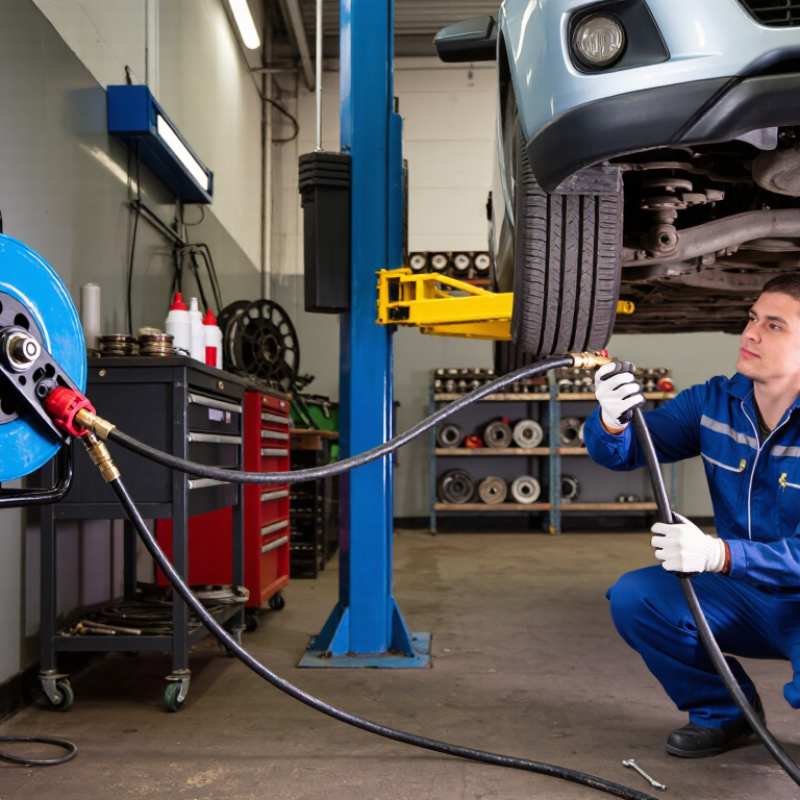
Define Your Grease Hose Reel Requirements
How to Choose the Right Grease Hose Reel?
Defining your grease hose reel requirements starts with the dispensing task. Identify the grease type, operating pressure, flow rate, and daily usage. A workshop servicing heavy equipment may need a longer hose than a small maintenance bay. Measure the distance to each lubrication point. Extra length sounds useful, but it can create drag and trip hazards. Choose a reel with a pressure rating above your pump’s maximum output. Do not guess.
Consider the working environment carefully. Dust, moisture, heat, and oil can affect reel performance. A steel frame may suit demanding industrial areas, while a lighter construction can work indoors. Check the hose’s temperature range and chemical compatibility. Confirm the mounting position, swivel range, and locking mechanism before installation. I once underestimated the value of smooth hose retraction. It slowed routine work more than expected. Small details matter.
Tips: List every lubrication point before choosing hose length. Record the pump pressure and grease grade. Leave a safety margin in the reel rating. Test the hose path with a temporary line first. This simple step can reveal awkward angles. Review the reel after several weeks of use. If the spring feels weak or the hose kinks, your original choice may need reconsideration. A qualified technician should verify the final setup against equipment instructions and workplace requirements.
How to Choose the Right Grease Hose Reel?
Define the required hose length, inner diameter, and working pressure before selecting a reel.
Smaller-bore grease hoses commonly support higher working pressures, while larger bores can improve
delivery volume and reduce flow resistance. Always confirm the hose and reel ratings against the
grease type, pump pressure, temperature, and applicable safety requirements.
Compare Hose Types, Lengths, and Pressure Ratings
How to Choose the Right Grease Hose Reel?
The hose type affects flexibility, durability, and daily handling. Rubber hoses remain flexible in cold workshops and resist repeated bending. Thermoplastic hoses are lighter and often easier to pull across a service bay. Steel-braided hoses can handle demanding pressure, but they may feel stiffer around tight corners. In field maintenance, I have found that a hose rubbing against concrete fails sooner than expected. Choose an outer cover that suits your floor, equipment, and cleaning routine.
Length should match the work area, not the largest possible distance. A six-meter hose may reach machinery without creating a heavy loop. Longer hoses provide more movement, yet they add weight and pressure loss. Measure from the reel to the farthest grease point. Then add modest working space. Too much extra length becomes a trip hazard and winds unevenly. Keep the path clear.
Pressure ratings require careful comparison. Check the hose’s maximum working pressure against the grease pump’s operating pressure. Do not use the burst rating as a working target. A practical margin helps when pressure spikes occur near blocked fittings. Confirm that the reel, swivel, coupler, and hose share compatible ratings. I once selected a long hose for convenience, then found the reel sluggish under load. The setup worked, but it was not comfortable or efficient. Rechecking bend radius and mounting height would have improved that choice.
Select the Right Reel Mounting and Retraction Style
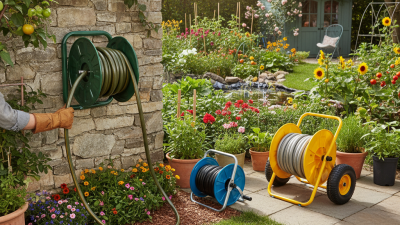
Selecting the right grease hose reel starts with its mounting location. Wall mounting suits fixed service bays, where the hose can extend directly toward machinery. Ceiling mounting keeps the floor clear and improves access around lifts or workstations. Floor or vehicle mounting works better for mobile lubrication tasks, but it needs secure anchoring and protection from impact.
According to the 2024 Workplace Safety Index, same-level falls cost U.S. employers about $10.5 billion in 2021. A poorly positioned hose can contribute to that risk. The U.S. Bureau of Labor Statistics recorded 888,220 private-industry injury cases involving days away from work in 2023. These figures support a practical rule: keep the hose above walking paths, avoid sharp bends, and place the reel near the operator’s natural reach.
Retraction style also matters. Spring-rewind reels offer fast, simple operation and suit frequent servicing. Hand-crank reels provide controlled extension for longer hoses or heavier grease delivery lines. Motorized retraction may reduce pulling effort, but it adds electrical, maintenance, and control requirements. Check the swivel angle, locking positions, hose weight, and spring tension before installation. The hose should retract smoothly without snapping back. That detail is often missed. In my experience, installers sometimes choose the longest hose available, then discover excess loops and uneven retraction. A shorter hose with the correct mounting height may perform better. Still, workplace layouts change, so the final choice should follow an actual walk-through, not only a catalog specification.
Check Compatibility, Safety Features, and Total Cost
How to Choose the Right Grease Hose Reel?
Choosing the right grease hose reel starts with compatibility, not appearance. Match the hose inner diameter, working pressure, temperature range, and grease type. Check every fitting thread before ordering. A small mismatch can cause leaks, wasted grease, or difficult maintenance. I have learned that a catalog match can still fail when the mounting space is overlooked. Measure wall clearance, hose length, and reel swing carefully. Do not guess.
Safety features deserve close attention. Choose a reel with a pressure rating above your equipment’s maximum operating pressure. A sturdy locking mechanism helps control hose length during servicing. A guarded rewind spring can reduce hand injuries and prevent accidental damage. Look for a reliable swivel, abrasion-resistant hose cover, and smooth retraction. Inspect the hose regularly for cuts, swelling, or exposed reinforcement. Real workshops are dusty, crowded, and imperfect.
Tips: Compare total cost, not only purchase price. Include installation, replacement hoses, fittings, cleaning, and downtime. A low-cost reel may become expensive after repeated repairs. Ask for pressure-test records and clear maintenance instructions. Keep the receipt and inspection date visible near the reel. I sometimes prefer a simpler model because fewer moving parts can mean fewer failures, though that choice may reduce convenience. Evaluate your actual service routine before paying for features you rarely use.