Top 10 Benefits of Using Pneumatic Diaphragm Pumps in Industry?
In the world of industrial pumping solutions, the pneumatic diaphragm pump stands out for its versatility and efficiency. John Smith, a renowned expert in fluid dynamics, emphasizes, "Pneumatic diaphragm pumps are game-changers for many industries." This statement encapsulates the transformative power of these pumps in enhancing operational workflows.
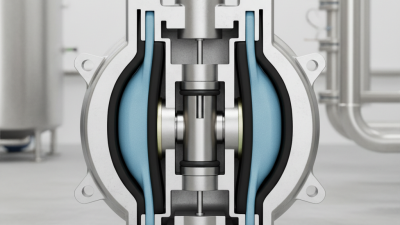
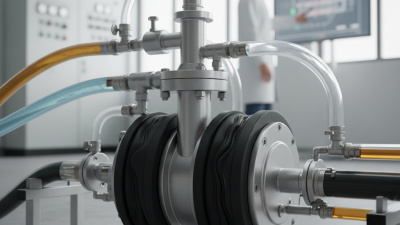
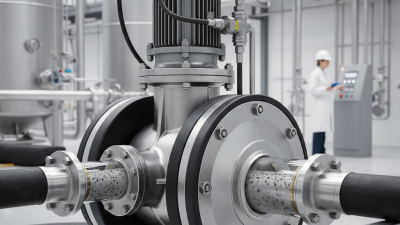
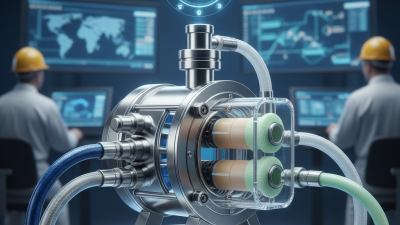
Pneumatic diaphragm pumps utilize compressed air to drive fluid transfer, making them ideal for various applications, from pharmaceuticals to food processing. Their design minimizes leaks and enhances safety, which is critical in sensitive environments. The simplicity of maintenance adds to their reliability. However, challenges remain, such as the need for proper air supply management.
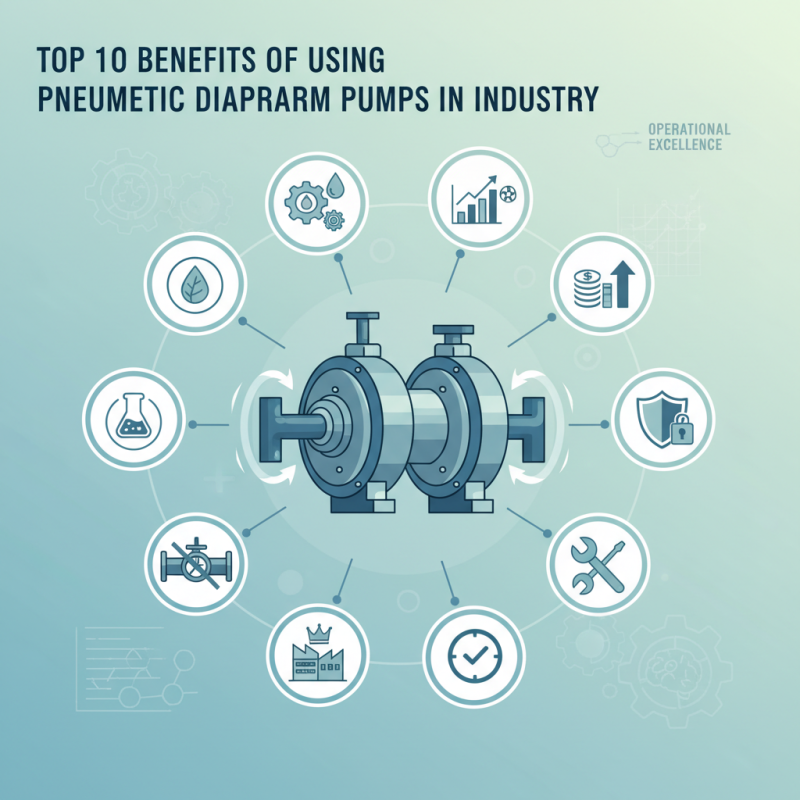
The benefits of pneumatic diaphragm pumps extend beyond mere functionality. Efficiency, cost-effectiveness, and environmental compliance are crucial factors driving their adoption. As industries increasingly seek sustainable solutions, these pumps represent an innovative answer. Exploring the top benefits reveals how they contribute to operational excellence, but it also invites reflection on possible limitations in specific contexts.
Key Advantages of Pneumatic Diaphragm Pumps in Industrial Applications
Pneumatic diaphragm pumps are becoming increasingly popular in various industrial sectors. Their ability to handle viscous, corrosive, and abrasive fluids is a standout advantage. These pumps operate using compressed air, providing a safe solution in hazardous environments. Many industries benefit from their versatility in transferring materials without contamination.
One key advantage is the self-priming capability. This feature allows them to draw fluids from a lower source without additional equipment. In applications where space is tight, this efficiency can save time and resources. Many users, however, find the initial setup complex. Proper training is essential to avoid operational issues.
Additionally, pneumatic diaphragm pumps require minimal maintenance compared to mechanical pumps. This reduces downtime and operational costs. However, their performance can be affected by air supply quality. Consistent air pressure is crucial for optimal operation. Monitoring and regular checks are needed to ensure longevity. Understanding these aspects can enhance the overall effectiveness of pneumatic diaphragm pumps in industrial settings.
Enhanced Safety Features of Pneumatic Diaphragm Pumps for Hazardous Materials
Pneumatic diaphragm pumps are increasingly popular in industries that handle hazardous materials. Their design enables safer handling of corrosive or toxic substances. These pumps use compressed air, eliminating the risk of electrical sparks. This is crucial in environments where flammable materials are present. The hermetic sealing prevents leaks, which can lead to dangerous situations.
One notable feature is their ability to run dry without damage. Many pumps can fail if they are not properly primed, but pneumatic diaphragm pumps can operate without liquid. This ensures continuous operation, reducing downtime and minimizing risks. Operators can focus more on processing rather than worrying about pump failure.
However, there are challenges. While these pumps are designed for safety, operator training is essential. Misunderstandings about their operation can still lead to accidents. Routine maintenance is another area that may require attention. Neglecting regular checks could compromise safety features and overall performance. Balancing safety with operational efficiency is vital for any facility using these pumps.
Versatility and Compatibility of Pneumatic Diaphragm Pumps in Fluid Handling
Pneumatic diaphragm pumps offer exceptional versatility in handling a wide variety of fluids across industries. Their design allows for the transfer of liquids that contain solids, corrosive materials, or viscous substances without damaging the pump. According to a recent industry report, over 70% of fluid handling applications benefit from pumps that can accommodate mixed-phase fluids. This compatibility reduces downtime and lowers maintenance costs significantly, which is vital in high-demand industrial environments.
These pumps operate efficiently in conditions where electrical pumps struggle, especially in explosive or hazardous atmospheres. The air-powered mechanism eliminates the need for electrical components, enhancing operational safety. Data from industrial safety analyses show a 30% reduction in pump-related safety incidents when pneumatic diaphragm pumps replace electric alternatives in sensitive environments. However, users sometimes underestimate the air consumption, which can lead to inefficiencies if not properly managed.
Material compatibility is another key strength. Pneumatic diaphragm pumps can be constructed from various materials like PTFE, stainless steel, or elastomers, making them suitable for different chemicals and temperatures. Industry surveys reveal that pumps adapted to specific fluids extend lifespan by 25% compared to generic models. Yet, selecting the right material requires expertise; improper choices might cause premature failure or contamination — a reminder that technology alone doesn’t guarantee success.
Top 10 Benefits of Using Pneumatic Diaphragm Pumps in Industry
Maintenance and Longevity Benefits of Pneumatic Diaphragm Pumps in Industry
Pneumatic diaphragm pumps are gaining traction in various industries due to their unique benefits. Maintenance is a crucial factor in pump longevity. These pumps are designed with fewer moving parts. This simplicity leads to fewer breakdowns, reducing maintenance frequency.
However, routine checks are still necessary. Operators should monitor for wear and tear. Regular inspections can prevent unexpected failures. Moreover, operators must ensure proper installation. Poor setup can lead to inefficiencies or damage. Understanding the operational environment is key.
Extreme temperatures or corrosive fluids can affect performance.
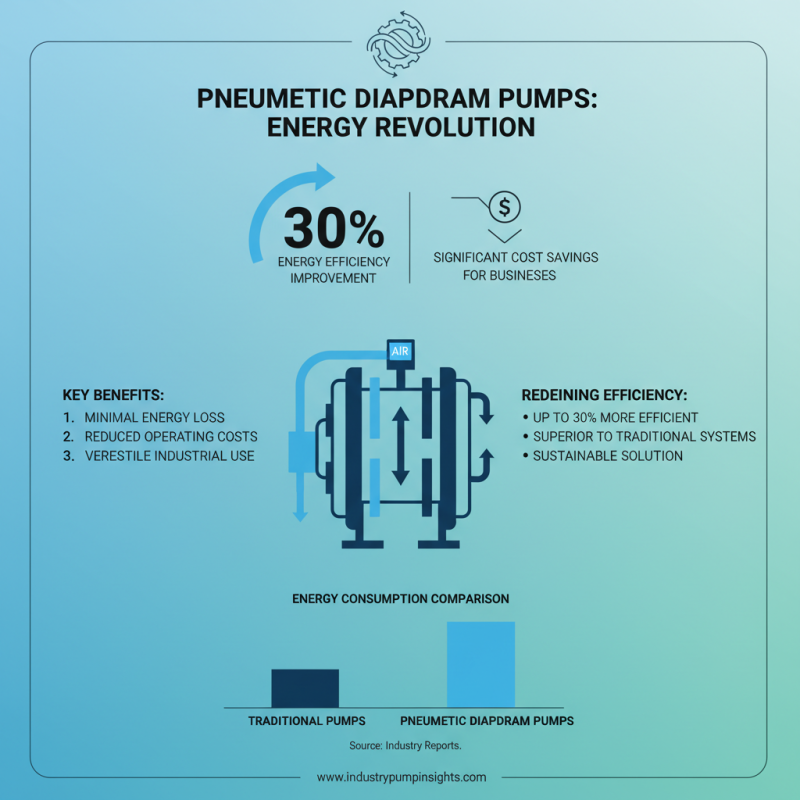
When well-maintained, these pumps can last for years. Their durability translates into long-term cost savings. Additionally, they operate with less energy, benefiting both the environment and operational budgets. Armed with the right knowledge and practices, companies can experience sustained efficiency.