Top Soft Wash System Kit for Effortless Cleaning Solutions?
In today’s competitive cleaning industry, the demand for effective solutions has increased significantly. Reports indicate that the soft washing market is projected to grow at a CAGR of 6% from 2020 to 2027. This has led to a surge in the popularity of the soft wash system kit, designed for safe and efficient cleaning. Experts believe that these tools can drastically reduce time and labor costs.
John E. Williams, a recognized authority in cleaning technologies, notes, “A high-quality soft wash system kit can transform the way we approach surface cleaning.” His insights reflect the broader industry trend toward cleaner, safer methods, particularly for delicate surfaces. However, not all kits are created equal, and there are essential factors to consider when selecting the right one.
Many options on the market claim to offer superior cleaning power but may fall short in terms of reliability or effectiveness. It's crucial to assess the materials and technology behind these kits. Users should be aware of potential pitfalls, such as inconsistent performance and durability issues. Finding the right balance between efficiency and safety is the key to making an informed choice in this growing market.
Understanding Soft Wash Systems: An Overview of Their Benefits
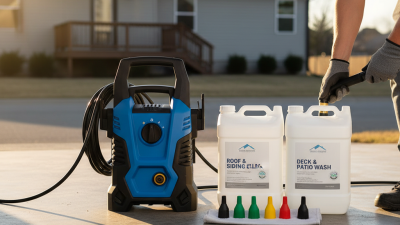
Soft wash systems are gaining popularity for their effective cleaning capabilities. They combine low pressure with specialized cleaning solutions. This approach is gentle and safe for various surfaces. It minimizes the risk of damage often associated with high-pressure washing.
One significant benefit of soft washing is its effectiveness against organic growth. Mold, mildew, and algae can thrive on roofs and siding. Traditional methods may not fully eliminate these issues. Soft wash systems can penetrate deeper, offering a more thorough clean. This leads to longer-lasting results and enhanced curb appeal for properties.
However, it’s crucial to understand the limitations. Not every surface is suitable for soft washing. Some materials may require alternative cleaning methods. Improper application can lead to streaking or residue that’s difficult to remove. Thus, it's essential to approach this cleaning method with care and knowledge. Proper training or guidance can help maximize its effectiveness while ensuring safety.
Key Components of a Top Soft Wash System Kit
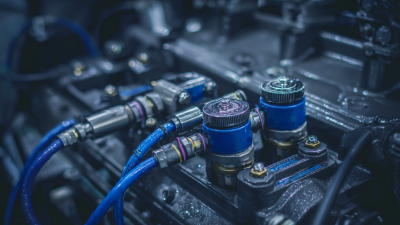
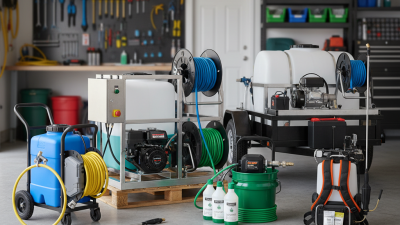
When selecting a top soft wash system kit, understanding its key components is essential. A reliable soft wash system typically includes a powerful pump, a high-quality nozzle, and a chemical tank. The pump is crucial as it generates the necessary pressure for effective cleaning. Ensure you opt for a pump that can handle the required flow rate for your specific tasks.
The nozzle type plays a significant role in the application process. A good nozzle should provide even and adjustable spray patterns. This flexibility allows for various cleaning tasks, from delicate surfaces to tough stains. The integration of an easy-to-remove chemical tank makes the system more user-friendly. It allows for quick refills and easy switching between different cleaning solutions.
Proper maintenance of your soft wash system kit is vital. Regularly check for clogs and leaks. This prevents operational issues and can extend the life of the equipment. Additionally, store your kit in a dry place to avoid rust. Keep an eye on chemical residue, which can affect performance. Being mindful of these elements can lead to better cleaning results and save time in the long run.
Top Soft Wash System Kit for Effortless Cleaning Solutions
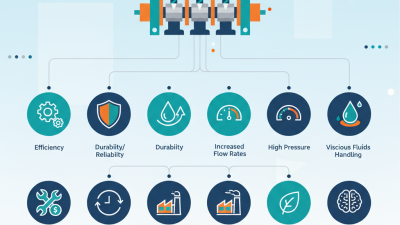
This bar chart illustrates the key components of a top soft wash system kit, with each component representing its importance based on usage frequency in cleaning solutions. The data highlights the significance of each tool in facilitating efficient cleaning tasks.
How to Choose the Best Soft Wash System for Your Needs
When selecting a soft wash system, consider the applications you need it for. Soft washing is ideal for delicate surfaces like roofs and painted walls. The right equipment can remove mold, mildew, and dirt without damaging these surfaces. Understanding the type of surfaces you plan to work on is essential. Each material may require different techniques or solutions.
Think about the size of the system. Larger systems often offer more power and capability. However, they can be cumbersome for smaller jobs. Portability is crucial if you need to move it frequently. Consider the ease of setup and how quickly you can start washing. A user-friendly design can significantly reduce preparation time and make the process smoother.
Don't overlook the importance of safety features. Look for systems with protective gear and safe chemical handling. Training may be necessary for effective and secure usage. Sometimes, DIY methods can lead to issues because of improper handling. It's better to invest in a system that comes with robust guidelines for use. Reflecting on your choice will help you build confidence in your cleaning capabilities.
Step-by-Step Guide to Using a Soft Wash System Effectively
Using a soft wash system can transform the way you clean surfaces. These systems use low pressure combined with specialized cleaning solutions. This approach minimizes damage to delicate surfaces while effectively removing dirt, mold, and mildew. According to the Soft Wash Alliance, using a soft wash method can increase cleaning efficiency by up to 60%. This is crucial for professionals looking to improve productivity.
When employing a soft wash system, preparation is vital. Begin by assessing the surfaces you wish to clean. Ensure that any sensitive areas, such as plants or nearby structures, are protected. For example, covering plants with tarps can prevent chemical exposure and damage. Mix your cleaning solution according to manufacturer instructions. The right concentration not only enhances cleaning power but also reduces environmental impact.
While soft washing is efficient, it requires careful execution. Some users report that inconsistencies in technique can lead to streaking. Proper equipment maintenance is key. Regular inspections of hoses, nozzles, and pumps can prevent unexpected issues during a job. Remember that every cleaning project is unique. Learning from each experience can improve your skills over time.
Maintenance Tips for Prolonging the Life of Your Soft Wash Equipment
Proper maintenance of your soft wash equipment is essential for longevity and efficiency. Start by regularly flushing your system with clean water. This helps prevent the buildup of chemicals that can damage components. Pay attention to your hoses and nozzles; small cracks can lead to leaks and reduce pressure. Inspect them frequently. Cleaning the filters is also crucial. Clogged filters can hinder performance and may cause equipment failure over time.
Storage practices greatly influence the lifespan of your soft wash system. Keep your equipment in a cool, dry place when not in use. Extreme temperatures can compromise the integrity of hoses and seals. Additionally, consider using protective covers. Sunlight exposure can degrade materials, leading to premature wear. Regularly check for signs of corrosion or wear, and replace parts promptly. This proactive approach ensures that you avoid costly repairs and maintain optimal performance in your cleaning tasks.