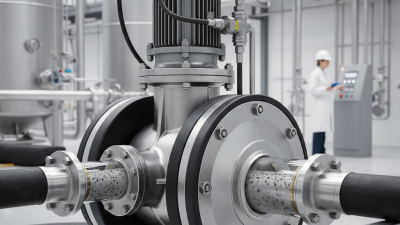
Top 10 Pneumatic Diaphragm Pumps for Global Buyers
Choosing the right pneumatic diaphragm pump involves more than comparing flow rates and prices. Global buyers must examine fluid compatibility, pressure demands, air consumption, maintenance access, and supplier reliability. A pump that performs well with clean water may struggle with abrasive slurry, viscous chemicals, or temperature changes.
This guide introduces ten pneumatic diaphragm pump options for industrial users across different regions. The selection focuses on practical operating factors, including diaphragm materials, port sizes, self-priming capability, dry-run tolerance, and available certifications. It also considers service support, spare-part availability, and documentation quality. These details matter when equipment operates far from the original supplier.
Real conditions are rarely perfect.
A quiet test room cannot represent every factory floor. Dust, unstable air pressure, delayed maintenance, and inconsistent training can change pump performance. Therefore, the featured models should be treated as informed starting points, not universal answers. Buyers should verify performance data against their own fluids, pipe layouts, operating cycles, and local requirements.
The discussion draws on established pump-selection practices and manufacturer specifications. Still, specifications can be interpreted differently. Some product claims require closer technical review. That is worth acknowledging. A reliable purchasing decision should include application testing, written confirmation, and transparent after-sales support. By comparing strengths and limitations, this overview helps engineers, distributors, and procurement teams choose with greater confidence.
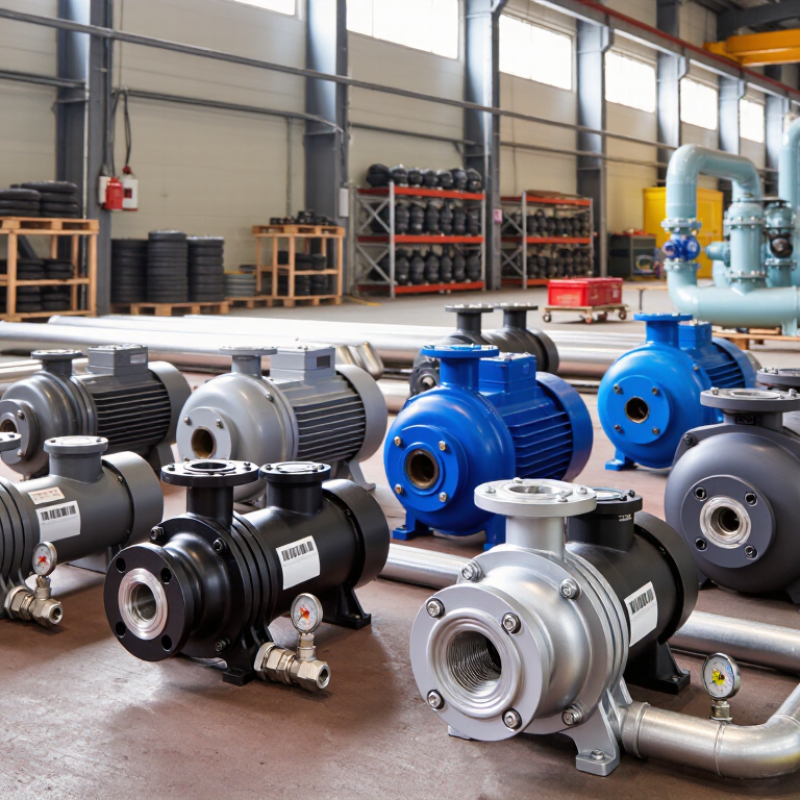
Pneumatic Diaphragm Pump Fundamentals: Air Pressure, Flow Rates, and Materials
Top 10 Pneumatic Diaphragm Pumps for Global Buyers
Pneumatic diaphragm pumps use compressed air to move liquids without electric motors. Their real performance depends on air pressure, liquid viscosity, suction lift, and piping resistance. A pump rated at 8 bar does not deliver its best flow at every condition. Flow often drops when the liquid becomes thick or the discharge line becomes narrow.
The U.S. Department of Energy reports that compressed air can consume about 10% of industrial electricity, with inefficient sites exceeding 30%. This makes air consumption a serious purchasing factor. Buyers should compare flow per unit of compressed air, not only maximum flow.
ISO 8573-1 also helps define compressed-air quality, including particles, water, and oil. Contaminated air may damage valves and shorten diaphragm life.
Tips: Check the operating curve at your actual pressure. Specify the fluid temperature, solids size, and chemical concentration.
Polypropylene suits many general chemicals, while PTFE handles stronger chemical exposure. EPDM is often suitable for water-based fluids, but compatibility must be verified.
A stainless-steel body may resist impact, yet it is not automatically correct for every chemical. A neat spreadsheet can still mislead. Leave capacity margin, but avoid oversizing; excessive cycling can waste air and increase wear.
Global Market Criteria: Certifications, Pressure Classes, and ATEX Compliance
When comparing the top 10 pneumatic diaphragm pumps, global buyers should verify certification details before comparing flow rates. A CE mark alone does not prove suitability for every installation. Request the EU Declaration of Conformity, operating instructions, and test records. For UK projects, check whether UKCA requirements apply. ISO 9001 supports manufacturing quality, but it is not a product safety certificate.
Pressure classes also need careful interpretation. Confirm maximum working pressure, air supply pressure, fluid temperature, and pressure testing conditions. A pump rated at 8 bar may not safely handle continuous operation at that limit. Material choice changes performance, especially with abrasive slurries, solvents, or hot chemicals. Ask whether the stated pressure applies to the complete assembly or only the air section. This detail is often unclear.
ATEX compliance deserves closer review in hazardous areas. Check the exact zone, equipment category, gas or dust group, and temperature class. An air-operated pump can still create static electricity through fluid movement or nonconductive diaphragms. Bonding, grounding, and conductive materials may be essential. Paperwork matters. Request clear ATEX marking and installation limits, not a generic sales statement. I would also inspect spare-part compatibility, because a replacement diaphragm can change the original safety assessment. Buyers sometimes focus too heavily on certification labels. Field conditions usually decide whether the pump remains reliable.
Top 10 Pump Models Compared by Flow Capacity, Max Pressure, and Port Size
These compact options fit small tanks and narrow pipework.
Flow capacity often falls when the liquid becomes viscous or the suction line becomes restrictive. Port size alone does not guarantee better performance. I have seen oversized pumps cycle poorly on small transfer lines.
Air quality also matters. Moisture can damage internal components and reduce consistency. Check the actual operating pressure, fluid temperature, solids content, and hose length before ordering.
A lower-rated model may perform better when its ports match the existing system. That detail is easy to miss.
Application Guide: Chemical, Food, Mining, and Wastewater Pump Selection
Selecting among the top 10 pneumatic diaphragm pumps starts with the liquid, not the pump catalog. Chemical service demands verified compatibility with acids, solvents, seals, and body materials. Check concentration, temperature, viscosity, and vapor pressure. A small material mismatch can become a serious leak. The U.S. Department of Energy notes that compressed air may represent about 10% of industrial electricity use, so air consumption deserves equal attention.
Food processing requires cleanable surfaces, controlled drainage, and suitable elastomers. Avoid dead legs and trapped product around fittings. In mining, abrasive slurry needs wear-resistant diaphragms, large valve passages, and low-shear handling. Oversizing is common, but it can waste air and reduce control. Field conditions are often less tidy than laboratory data.
Wastewater selection changes again. Solids, ragging, fluctuating levels, and chemical dosing can challenge ordinary configurations. UN-Water reports that more than 80% of global wastewater is discharged without adequate treatment in many regions. The World Bank projects municipal waste generation could rise from 2.01 billion tonnes in 2016 to 3.40 billion tonnes by 2050. These figures support choosing pumps that tolerate intermittent duty and difficult media. Start with real operating data, not an idealized datasheet. That is where selection often goes wrong. A practical review should compare flow at actual air pressure, maintenance access, spare-part life, noise, and total compressed-air demand. Less guesswork helps.
Buyer Checklist: Total Cost, Spare Parts, Air Consumption, and Warranty Terms
Top 10 Pneumatic Diaphragm Pumps for Global Buyers
Purchase price is only the opening line. The U.S. Department of Energy reports that compressed-air leaks can waste 20–30% of compressor output. Ask suppliers for air consumption at your actual flow, pressure, and cycle rate. A pump needing 8 cubic meters per hour may cost more than a cheaper unit using 5. Energy tariffs change by country, so calculate three-year operating cost locally. Do not trust a single catalog figure.
Spare parts need equal attention. Request prices and delivery times for diaphragms, valves, seals, and fasteners. Keep one repair kit on site. Downtime is rarely cheap. The European Commission identifies maintenance and energy use as major lifecycle-cost factors in industrial equipment. A low-cost pump can become expensive after two urgent shipments. I have seen buyers compare pump prices while ignoring customs delays and technician hours. That approach needs reconsideration.
Warranty wording deserves careful reading. Check coverage periods, excluded materials, response times, and whether labor or freight is included. Confirm warranty validity for continuous duty, abrasive fluids, and outdoor installation. Ask for written air-quality requirements, because moisture and oil can shorten component life. Compressed Air Challenge guidance links poor air management with reliability losses and unnecessary consumption. The checklist is not perfect. However, documented assumptions make supplier comparisons fairer, especially when service networks differ across regions.
Top 10 Pneumatic Diaphragm Pumps for Global Buyers - Buyer Checklist: Total Cost, Spare Parts, Air Consumption, and Warranty Terms
Independent market-reference comparison of common air-operated double-diaphragm pump configurations
| Rank | Generic Pump Configuration | Port Size | Typical Flow Range | Maximum Discharge Pressure | Air Consumption at Rated Flow | Indicative Purchase Price | Estimated 3-Year TCO | Recommended Spare-Parts Kit | Typical Warranty Term | Best-Fit Applications |
|---|---|---|---|---|---|---|---|---|---|---|
| 1 | 1/2-inch compact polypropylene AODD pump | 1/2 in | 0.5–20 L/min | 7 bar / 100 psi | 0.15–0.45 Nm³/min | US$180–450 | US$650–1,500 | Diaphragms, valve balls, valve seats, O-rings | 12 months | Dosing transfer, laboratory liquids, low-flow chemical handling |
| 2 | 1/2-inch aluminum general-purpose AODD pump | 1/2 in | 2–45 L/min | 7 bar / 100 psi | 0.25–0.70 Nm³/min | US$250–650 | US$850–2,000 | Diaphragms, balls, seats, air-valve service kit | 12 months | General chemical transfer, inks, coatings and maintenance service |
| 3 | 1-inch polypropylene corrosion-resistant AODD pump | 1 in | 5–120 L/min | 7 bar / 100 psi | 0.45–1.25 Nm³/min | US$450–1,100 | US$1,400–3,400 | Diaphragms, valve balls, seats, manifold gaskets | 12 months | Acids, alkalis, wastewater chemicals and corrosive liquids |
| 4 | 1-inch aluminum high-cycle process AODD pump | 1 in | 10–190 L/min | 7 bar / 100 psi | 0.60–1.60 Nm³/min | US$550–1,350 | US$1,700–4,100 | Diaphragms, balls, seats, air-distribution-system kit | 12–18 months | Paints, solvents, oils, slurries and industrial liquid transfer |
| 5 | 1-1/2-inch aluminum industrial AODD pump | 1-1/2 in | 20–340 L/min | 7 bar / 100 psi | 1.00–2.50 Nm³/min | US$850–2,000 | US$2,600–6,200 | Diaphragms, balls, seats, shaft seals and air-valve kit | 12 months | Bulk transfer, wastewater, lubricants and abrasive industrial fluids |
| 6 | 1-1/2-inch stainless-steel sanitary AODD pump | 1-1/2 in | 15–300 L/min | 7 bar / 100 psi | 1.00–2.40 Nm³/min | US$1,400–3,500 | US$4,000–9,500 | Food-grade diaphragms, balls, seats and sanitary gaskets | 12 months | Food, beverage, pharmaceutical and hygienic process transfer |
| 7 | 2-inch polypropylene chemical-transfer AODD pump | 2 in | 30–570 L/min | 7 bar / 100 psi | 1.50–3.80 Nm³/min | US$1,200–3,000 | US$3,800–9,000 | Diaphragms, balls, seats, manifold seals and air-valve kit | 12 months | Corrosive chemicals, wastewater plants and bulk liquid handling |
| 8 | 2-inch aluminum heavy-duty AODD pump | 2 in | 40–650 L/min | 7 bar / 100 psi | 1.80–4.50 Nm³/min | US$1,500–3,800 | US$4,800–11,500 | Diaphragms, balls, seats, shaft seals and complete air-valve kit | 12–18 months | Mining water, sludge, coatings, oils and abrasive liquids |
| 9 | 3-inch aluminum high-capacity AODD pump | 3 in | 80–1,050 L/min | 7 bar / 100 psi | 2.50–6.50 Nm³/min | US$2,800–6,500 | US$8,500–20,000 | Large diaphragms, balls, seats, manifold gaskets and air-valve kit | 12 months | High-volume wastewater, tank unloading and bulk process transfer |
| 10 | 3-inch stainless-steel hygienic AODD pump | 3 in | 60–900 L/min | 7 bar / 100 psi | 2.30–6.00 Nm³/min | US$4,000–9,500 | US$12,000–28,000 | Sanitary diaphragms, balls, seats, clamps and hygienic gaskets | 12 months | Large-volume food, beverage and pharmaceutical production lines |
Buyer checklist: Confirm the actual flow at the required discharge pressure, compressed-air inlet pressure, liquid viscosity, solids content, temperature, chemical compatibility, spare-parts availability and warranty exclusions before placing an order.
Cost assumptions: Prices and three-year total-cost ranges are indicative USD market benchmarks for standard pump packages. TCO includes typical purchase cost, replacement wear parts and compressed-air consumption under intermittent industrial service; it excludes freight, taxes, installation, air-compressor capital cost and labor.
Technical note: Air consumption varies substantially with flow, discharge pressure, stroke rate, liquid viscosity and pump efficiency. Nm³/min values should be verified against the supplier's certified performance curve.
Related Posts
-
What is an Air Diaphragm Pump and How Does It Work?
-
Top 2 Diaphragm Pump Manufacturers for Global Buyers
-
2026 Top 2 Diaphragm Pump Manufacturers Guide
-
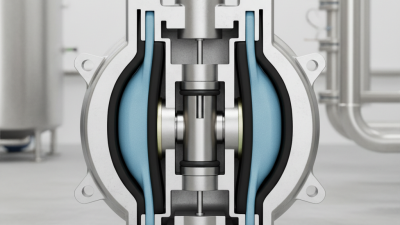
What is an Air Diaphragm Pump and How Does it Work?
-

Top 10 Best Diaphragm Pumps for Global Buyers in 2026
-
Top 10 Benefits of Using Pneumatic Diaphragm Pumps in Industry?