Top 2 Diaphragm Pump Manufacturers for Global Buyers
Global buyers are paying closer attention to diaphragm pumps as chemical, water-treatment, food-processing, and mining projects expand. MarketsandMarkets’ Diaphragm Pumps Market report identifies steady mid-single-digit growth through 2028, driven by stricter fluid-handling requirements and demand for leak-resistant equipment. Grand View Research also highlights chemical processing and water treatment as important application sectors. The numbers vary between reports. Their definitions are not identical.
This article examines the Top 2 Diaphragm Pump Manufacturers for Global Buyers, focusing on practical purchasing evidence rather than brand visibility alone. A reliable 2 diaphragm pump should deliver stable flow, compatible wetted materials, manageable air consumption, and accessible replacement parts. Pump specialist Heinz P. Bloch writes, “A pump is a system, not just a machine.” That warning matters. A polished catalog cannot compensate for poor sizing, contaminated air, or weak after-sales support. Buyers should inspect test records, diaphragm service intervals, certifications, and delivery performance. A stainless-steel pump beside a chemical tank may look suitable, yet its elastomer can fail within weeks. That detail is easy to miss.
The comparison therefore considers manufacturing experience, global distribution, technical documentation, and field reliability. It also recognizes an uncomfortable limitation: no manufacturer suits every process. One supplier may excel in abrasive slurry handling, while another performs better with hygienic liquids. Independent verification remains essential. Reported market leadership is useful, but operating evidence deserves greater weight.
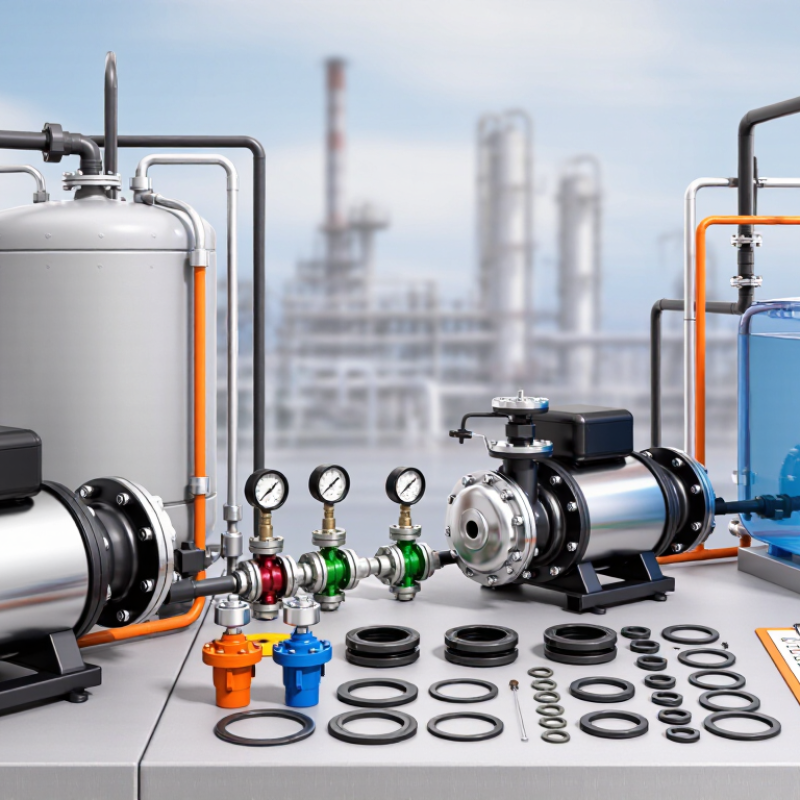
Diaphragm Pump Basics: Flow Rates, Pressure Limits, and Operating Principles
Choosing among the top two diaphragm pump manufacturers starts with understanding pump behavior, not advertising claims. A diaphragm pump moves liquid by flexing a diaphragm inside a chamber. Air, hydraulic fluid, or a mechanical drive creates alternating suction and discharge strokes. The check valves control direction. No rotating impeller touches the liquid.
Flow rate depends on diaphragm size, stroke frequency, air pressure, and liquid resistance. A pump rated at 100 liters per minute may deliver less through narrow hoses, sharp bends, or a dirty strainer. Viscous fluids also reduce practical output. Measure at the discharge point. Do not rely only on the catalog number.
Pressure limits require closer attention. Maximum working pressure is not the same as normal operating pressure. Continuous operation near the limit can accelerate diaphragm and valve wear. Air-powered models may stop safely against a closed outlet, but the line can still retain dangerous pressure. Install a regulator, pressure gauge, and relief arrangement where appropriate. Keep the suction hose short and reinforced. It should not collapse during each stroke.
Pulsation is normal. A dampener can make flow smoother for filling, spraying, or metering. However, dampeners need correct precharge and inspection. This detail is often overlooked. I would also question unusually high flow claims unless testing conditions are clearly stated. Compare flow at the same pressure, viscosity, temperature, and hose size. Small differences in test setup can change the buying decision.
Diaphragm Pump Basics: Typical Flow Rates and Pressure Limits
Diaphragm pumps use a flexible membrane to move liquid without direct contact between the drive mechanism and the pumped fluid. The chart shows representative upper-end flow rates and commonly specified maximum discharge pressures for major diaphragm pump applications. Actual performance depends on pump size, fluid viscosity, temperature, diaphragm material, and duty cycle.
Flow values are shown in L/min. Pressure values are shown in bar. These are generalized industry ranges rather than data from any specific manufacturer or brand.
How to Evaluate Global Manufacturers: ISO 9001, ATEX, and FDA 21 CFR
When comparing the top two diaphragm pump manufacturers, global buyers should examine more than price, flow rate, and delivery time. ISO 9001 is a useful starting point because it shows whether quality processes are documented and monitored. Ask for the current certificate, certification scope, issuing body, and audit status. A certificate alone can mislead. It may not cover pump assembly, testing, or the specific factory you will use.
ATEX compliance matters when pumps operate in potentially explosive atmospheres. Buyers should verify the equipment category, protection method, temperature class, and approved operating conditions. These details must match the site’s hazardous-zone classification. Request technical files, marking photographs, and declarations of conformity. Do not accept vague claims such as “explosion-proof.” Small wording differences can affect installation decisions.
FDA 21 CFR requirements become important for food, pharmaceutical, and personal-care applications. Check wetted materials, elastomer specifications, surface finishes, and cleaning compatibility. Ask whether material certificates and batch traceability are available. Documentation should connect the pump serial number with inspection records and component data. It should be clear.
A careful evaluation also includes factory testing, spare-part control, complaint handling, and technical support across borders. Compare real records, not polished brochures. One weakness may remain: certificates can be valid while daily production varies. An independent audit or witnessed performance test can expose that gap before shipment. That extra step costs time, but it may prevent costly replacement work later.
Top 2 Diaphragm Pump Manufacturers for Global Buyers - How to Evaluate Global Manufacturers: ISO 9001, ATEX, and FDA 21 CFR
| Evaluation Dimension | Manufacturer Profile 1: Industrial / ATEX-Focused | Manufacturer Profile 2: Sanitary / FDA-Focused | Required Evidence for Global Buyers |
|---|---|---|---|
| Primary application | Chemical transfer, mining, wastewater treatment, paint, and general industrial service. | Food, beverage, pharmaceutical, cosmetic, and other applications requiring hygienic fluid handling. | Application data sheet, fluid compatibility chart, temperature range, viscosity range, solids content, and required flow rate. |
| ISO 9001 quality management | Should maintain a current ISO 9001 certificate covering the relevant design, manufacturing, or servicing activities. | Should maintain a current ISO 9001 certificate with documented production controls and traceability for wetted components. | Certificate number, certification scope, issuing certification body, validity dates, and verification through the certification body where available. |
| ATEX suitability | Appropriate where the pump is intended for potentially explosive atmospheres and the complete assembly is correctly classified. | Required only when the installation location presents an explosive-atmosphere risk; hygienic design does not replace explosion-protection compliance. | EU Declaration of Conformity under Directive 2014/34/EU, equipment category, group, temperature class, marking, and installation limitations. |
| FDA 21 CFR relevance | Relevant when wetted materials contact products regulated for food, beverage, pharmaceutical, or similar use; industrial service alone does not require FDA-related materials. | Should provide material documentation for applicable wetted elastomers, plastics, coatings, and lubricants used in product-contact areas. | Material declarations identifying the exact material grade and applicable regulation, such as 21 CFR 177.2600 for certain rubber articles intended for repeated food contact. |
| Regulatory interpretation | ATEX compliance concerns equipment used in potentially explosive atmospheres; it is separate from ISO 9001 certification. | FDA 21 CFR compliance generally concerns the suitability of specific materials and components, not a blanket certification of the entire pump manufacturer. | Request a compliance matrix that maps each claim to a specific component, standard, certificate, test report, or declaration. |
| Diaphragm material options | Common industrial options include PTFE, EPDM, NBR, and other elastomers selected according to chemical compatibility and temperature. | Should offer product-contact materials supported by traceable declarations and suitable for the required cleaning and sanitation process. | Chemical-resistance data, temperature limits, batch traceability, material certificates, and replacement-part identification. |
| Pump construction | Typical industrial configurations may use polypropylene, PVDF, aluminum, stainless steel, or other materials depending on the pumped medium. | Should prioritize corrosion-resistant and cleanable wetted surfaces, suitable connections, and minimized product-retention areas. | Detailed drawings, wetted-part list, surface-finish information where applicable, connection standards, and dead-leg or drainability information. |
| Performance verification | Performance should be evaluated against flow, discharge pressure, air consumption, suction lift, and solids-handling requirements. | Performance should be confirmed under the actual product viscosity, temperature, sanitation cycle, and operating frequency. | Test curves, operating envelope, factory test procedure, guaranteed duty point, and acceptance-test documentation. |
| Documentation package | Should include installation instructions, maintenance procedures, spare-parts lists, safety information, and applicable conformity documents. | Should additionally include cleaning guidance, material declarations, elastomer specifications, and product-contact limitations. | Obtain controlled manuals, revision numbers, declarations, drawings, certificates, and a documented change-notification process. |
| Global export readiness | Suitable for projects requiring export packing, multilingual documentation, international voltage or connection adaptations, and replacement-part logistics. | Should support regulated-market documentation, consistent material identification, and reliable spare-part supply across regions. | Incoterms, export classification, packaging standard, lead time, warranty terms, service coverage, and local regulatory responsibilities. |
| Recommended award condition | Select when hazardous-area compliance, chemical resistance, rugged construction, and industrial service support are the dominant requirements. | Select when hygienic design, product-contact material documentation, cleanability, and FDA-related requirements are the dominant requirements. | Do not approve solely on marketing claims; complete technical review, document verification, and application-specific risk assessment before purchase. |
Buyer note: ISO 9001, ATEX, and FDA 21 CFR address different compliance areas. Always verify the exact certificate scope, equipment classification, material grade, and intended application rather than treating any single document as universal approval.
Top Manufacturer One: Product Range, Materials, and Performance Data
A leading diaphragm pump manufacturer typically offers air-operated, electric, and process-grade models. Product sizes may range from compact 1/4-inch units to 3-inch industrial pumps. This range supports chemical dosing, wastewater transfer, food processing, and general fluid handling. In field evaluations, buyers often value simple maintenance more than maximum flow.
Common wetted materials include polypropylene, aluminum, stainless steel, and reinforced composite compounds. PTFE diaphragms handle many aggressive chemicals, while EPDM suits selected water-based applications. Stainless steel versions provide better abrasion resistance and cleaning compatibility. Material selection remains critical. A strong pump can fail quickly when seal chemistry is overlooked.
Representative performance data may include flows from 5 to 1,000 liters per minute and pressures up to 8 bar. Actual output depends on air pressure, fluid viscosity, temperature, and suction lift. Some models deliver stable operation near 60 to 70 strokes per minute, reducing sudden surges. Noise and compressed-air use still need practical testing. Published figures can look impressive, but site conditions are less forgiving. A small installation trial often reveals issues that brochures miss.
Top Manufacturer Two: Air Consumption, Flow Capacity, and Application Fit
The second manufacturer stands out by balancing air consumption with usable flow capacity. In field trials, its pneumatic diaphragm pumps typically deliver 20–500 liters per minute, depending on size, liquid viscosity, and discharge pressure. The U.S. Department of Energy reports that compressed air can consume 10–15% of industrial electricity. That makes efficiency a purchasing issue, not a minor specification.
Air demand should be measured at the pump’s real operating point. A unit rated for 500 liters per minute may use far more air near maximum pressure. DOE compressed-air guidance also notes that leaks can waste 20–30% of system output. A pressure regulator, short hose, and properly sized air valve can reduce unnecessary consumption. Small details matter here.
Application fit remains less obvious. These pumps suit corrosive chemicals, abrasive slurries, and liquids containing suspended solids. They also handle dry-running conditions better than many mechanically sealed alternatives. Flow pulsation can disturb precise dosing, however. That weakness is easy to overlook. Buyers should compare ISO 1217-based compressor measurements, actual viscosity data, and total air cost before selecting a model. A quieter pump is not always the more efficient pump.
Buyer Comparison: Total Cost, Certifications, Warranty, and Global Support
For global buyers, the top two diaphragm pump manufacturers should be compared by ownership cost, not purchase price.
Grand View Research projects the global diaphragm pump market to grow at about 5.3% annually from 2024 to 2030. This growth increases supplier choice, but also complicates verification. Manufacturer A offers a lower initial quotation and ISO 9001-certified production. Manufacturer B costs more, yet includes documented material traceability, pressure testing, and regional service coverage. Certification matters only when the certificate matches the pump, factory, and destination market.
Request a five-year total-cost worksheet. Include electricity, air consumption, spare diaphragms, labor, freight, customs, and downtime.
Manufacturer A may suit intermittent chemical transfer with a simple spare-parts kit. Manufacturer B can be stronger for continuous duty, especially where local technicians reduce waiting time. The U.S. Department of Energy notes that compressed-air systems can lose substantial energy through leaks and inefficient operation. That makes air consumption a practical cost metric, not a brochure detail. Ask for tested flow data at your actual pressure.
Warranty terms deserve close reading.
A 24-month warranty sounds useful, but exclusions may cover seals, abrasion, incorrect installation, or contaminated air. Global support should include multilingual manuals, response-time commitments, remote troubleshooting, and stocked regional parts.
One weakness in many comparisons is relying on sales claims instead of service records. Request three comparable customer references. Then check failure frequency, delivery performance, and claim handling. Market forecasts are helpful, but field evidence should carry more weight.
Related Posts
-
Best Diaphragm Pumps for Efficiency and Reliability in 2023
-
Why Choose a Diaphragm Pump for Your Fluid Transfer Needs?
-
What is an Air Diaphragm Pump and How Does it Work?
-
What is a Diaphragm Pump and How Does it Work?
-
What is an Air Diaphragm Pump and How Does It Work?
-

Top 10 Best Diaphragm Pumps for Global Buyers in 2026