China Top Plunger Pump Manufacturers How to Choose?
Choosing among China’s top plunger pump manufacturers requires more than comparing catalog prices. A plunger pump may look identical on a website, yet differ greatly in sealing design, crankshaft strength, valve life, and factory testing. In a real workshop, these differences appear quickly: unstable discharge pressure, hot bearings, leaking packing, or unexpected downtime.
Industry data supports careful selection. The U.S. Department of Energy’s pumping-system guidance notes that pumping equipment can represent a significant share of industrial electricity use, sometimes approaching 25% in relevant facilities. MarketsandMarkets also identifies continued demand for positive displacement pumps in oil and gas, water treatment, chemical processing, and high-pressure cleaning. These sectors require measurable performance, not attractive claims. Buyers should examine flow rate, operating pressure, materials, efficiency, spare-parts availability, and documented testing results.
Pump specialist Dr. Lev Nelik offers a practical principle: “Pump selection begins with the system, not the pump.” That sentence deserves attention. A manufacturer may advertise higher pressure, but can its plunger pump maintain that pressure continuously? Can it provide vibration records, hydrostatic tests, ISO 9001 evidence, and reference installations? These questions separate experienced suppliers from simple traders. The answer is not always obvious. Even a respected factory may be unsuitable for a corrosive medium or severe duty cycle. This guide examines how to evaluate China’s leading manufacturers, verify technical claims, and avoid decisions based only on price. Small details matter. Sometimes, the cheapest quotation becomes the most expensive mistake.
What Is a Plunger Pump and Where Is It Used?
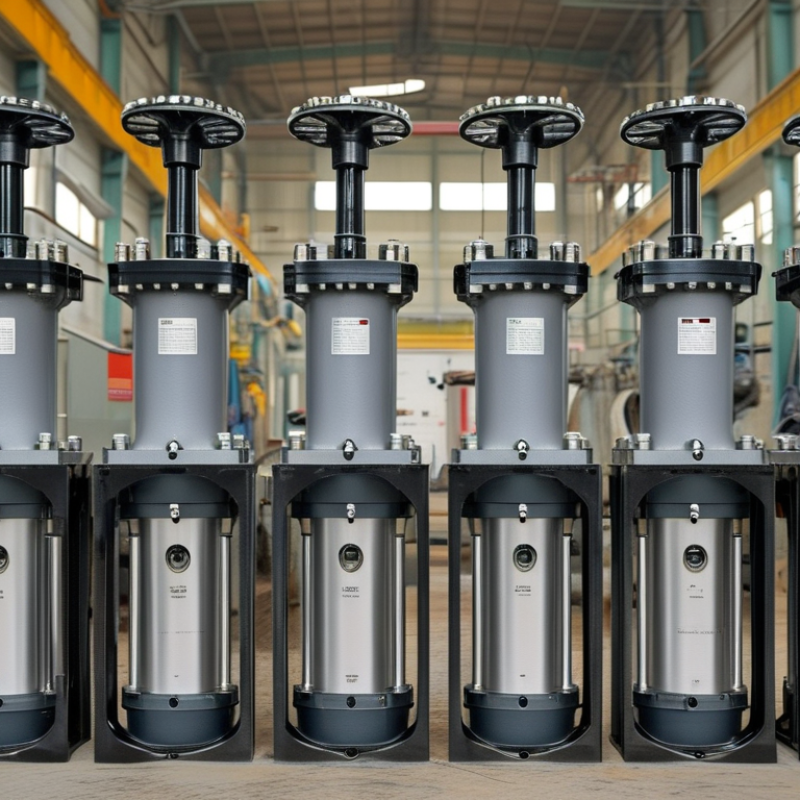
A plunger pump is a reciprocating positive-displacement pump. Its solid plunger moves through a sealed packing area, pushing fluid at high pressure. Unlike many centrifugal pumps, it can maintain strong pressure while handling low flow rates. The movement is regular, but the discharge is naturally pulsating. Pulsation dampeners may be needed.
These pumps appear in pressure washing, water treatment, boiler feed systems, mining, and industrial cleaning. They also support accurate chemical dosing when the wetted materials match the fluid.
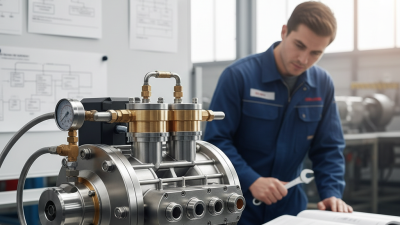
At a workshop, inspect the plunger surface, packing, valves, and oil level before operation. Small scratches can quickly cause leakage. Listen for uneven knocking. It may indicate cavitation, air entry, or worn valves.
When comparing China top plunger pump manufacturers, technical evidence matters more than a polished catalogue. Check pressure-flow curves, material certificates, test records, spare-part availability, and service response times.
Ask whether the pump was tested with a fluid similar to yours. Water-only testing may not reveal chemical swelling or abrasive wear.
Installation conditions also matter. Suction piping should be short, clean, and properly sized. Poor suction design can damage even a well-built pump.
No selection method is perfect. I would leave room for a monitored trial, because real fluid behavior often differs from laboratory assumptions.
Which Features Define a Top Chinese Plunger Pump Manufacturer?
A top Chinese plunger pump manufacturer proves performance before making promises. According to the U.S. Department of Energy, pumping systems can represent roughly one-quarter of industrial motor electricity use. Efficient design therefore matters beyond the nameplate. Look for hydraulic testing at rated pressure, measured flow stability, and recorded energy performance. A reliable factory should show test-bench data, not only attractive brochures.
Material control is equally important. Experienced manufacturers verify plunger hardness, cylinder metallurgy, seal compatibility, and pressure-pulsation behavior. They should connect each component to a traceable batch record. API 674 provides widely recognized guidance for reciprocating positive displacement pumps in demanding industries. Compliance alone is not enough. The manufacturer must explain how testing matches your actual fluid, temperature, pressure, and duty cycle. Small details matter. For example, a spare seal kit should arrive labeled, protected, and ready for installation.
Service capability separates a supplier from a long-term engineering partner. Industry research from MarketsandMarkets continues to identify energy efficiency, predictive maintenance, and industrial automation as major pump-market drivers. Ask whether the manufacturer offers vibration checks, remote troubleshooting, maintenance training, and clear replacement intervals. Delivery speed also needs evidence through documented lead times. Some factories claim customization too broadly. That deserves reflection: a modified flange is not the same as a redesigned pump. Request drawings, inspection records, pressure-test certificates, and references from similar operating conditions before choosing.
China Top Plunger Pump Manufacturers How to Choose? - Which Features Define a Top Chinese Plunger Pump Manufacturer?
| Evaluation Dimension | What a Top Manufacturer Should Provide | Practical Benchmark or Technical Reference | How to Verify Before Ordering | Priority |
|---|---|---|---|---|
| Application and Duty Matching | The manufacturer should select the pump according to flow rate, discharge pressure, fluid properties, temperature, operating cycle, and installation conditions rather than offering a generic model. | The selected pump should meet the required duty point without continuously operating at the maximum rated limit. | Submit a complete technical data sheet and request a written selection calculation showing flow, pressure, power, speed, and service factor. | Essential |
| Pressure and Flow Capability | A capable supplier should offer several pump configurations, including different plunger diameters, stroke lengths, speeds, and power options. | Reciprocating plunger pumps are commonly used where high pressure and accurately controlled flow are required; actual limits depend on design and materials. | Compare the certified performance curve with the required operating point and confirm whether pressure is continuous, intermittent, or test-only. | Essential |
| Compliance with API 674 | For process and petrochemical applications, the supplier should understand the requirements of API Standard 674 for positive displacement reciprocating pumps. | API 674 addresses design, materials, inspection, testing, documentation, and auxiliary equipment for reciprocating positive displacement pumps. | Request an API compliance matrix, inspection and test plan, material documentation, and clarification of any deviations from the specification. | Essential |
| Quality Management | A mature manufacturer should operate a documented quality management system covering purchasing, machining, assembly, inspection, nonconformance control, and traceability. | ISO 9001 certification is a useful baseline indicator, but it does not replace product-specific testing or technical evaluation. | Verify the certificate scope and validity, review quality procedures, and request sample inspection records from comparable equipment. | Essential |
| Materials and Corrosion Resistance | Materials should be selected for the pumped liquid, chloride content, pH, temperature, solids, and pressure. Wetted parts may require stainless steel, duplex stainless steel, nickel alloys, ceramics, or specialized coatings. | Material selection must be based on the actual fluid chemistry; no single material is suitable for every application. | Ask for a wetted-parts list, material grades, heat-treatment records where applicable, and positive material identification for critical components. | Essential |
| Plunger and Packing Design | The pump should use a suitable plunger surface finish, packing arrangement, cooling or flushing system, and leakage-management design. | Packing life depends on pressure, speed, fluid abrasiveness, temperature, alignment, lubrication, and flushing conditions. | Review packing specifications, expected service life, replacement procedure, leakage limits, and availability of alternative packing materials. | Essential |
| Hydraulic Protection | A complete system should include an appropriately sized relief valve, pulsation dampener, pressure gauge or transmitter, and suitable suction protection. | Positive displacement pumps require a pressure-relief path because flow continues when downstream resistance increases. | Confirm relief-valve setting, pressure rating, dampener sizing method, pre-charge requirements, and piping arrangement in the engineering documents. | Essential |
| Pulsation and Vibration Control | The manufacturer should evaluate pulsation, piping loads, foundation stiffness, alignment, and vibration at the specified operating conditions. | Reciprocating pumps naturally generate flow pulsation; dampeners and proper piping design reduce pressure fluctuations and mechanical stress. | Request pulsation calculations or a hydraulic study for critical services and verify allowable nozzle loads and foundation requirements. | Essential |
| Performance Testing | The supplier should provide a documented factory test program covering flow, pressure, leakage, vibration, noise, and functional checks as required by the project. | Acceptance criteria should be agreed before production and should identify test medium, measurement accuracy, tolerances, and witness requirements. | Review the inspection and test plan, calibration certificates, test reports, and procedures for correcting failed results. | Essential |
| Drive and Power Transmission | The pump package should be properly matched with the motor, gearbox, belt drive, coupling, baseplate, and guard system. | The driver should accommodate the calculated absorbed power, starting conditions, speed variation, and operating margin. | Request the power calculation, driver data sheet, coupling details, rotation direction, alignment method, and baseplate drawings. | Essential |
| Energy Efficiency | A strong manufacturer should minimize unnecessary losses through efficient hydraulic design, correct speed selection, and suitable transmission components. | Pump efficiency varies with pressure, flow, speed, fluid viscosity, clearance, and leakage; compare efficiency at the actual duty point. | Request absorbed-power data at minimum, normal, and maximum operating conditions rather than relying only on a nominal motor rating. | Important |
| Maintainability | The design should allow practical access to valves, packing, plungers, bearings, lubrication points, and inspection locations. | Routine wear-part replacement should be possible without removing the complete pump package from the foundation. | Review maintenance clearances, disassembly drawings, recommended tools, service intervals, and estimated replacement time for wear parts. | Essential |
| Spare Parts Availability | The supplier should provide a parts list with part numbers, recommended quantities, interchangeability information, and lead times. | Critical spares commonly include packing sets, valves, valve springs, seals, gaskets, plungers, bearings, and relief-valve components. | Obtain a priced spare-parts schedule for commissioning, two years of operation, and emergency repair requirements. | Essential |
| Documentation and Traceability | A professional supplier should deliver manuals, drawings, certificates, inspection records, test reports, lubrication instructions, and spare-parts information. | Documentation should identify the pump serial number and provide traceability for critical materials and inspections. | Agree on a document register, submission schedule, revision-control process, and final documentation requirements before placing the order. | Essential |
| Customization Capability | The manufacturer should be able to adapt connections, materials, seals, drivers, instrumentation, baseplates, coatings, and control systems when justified by the application. | Customization should be supported by engineering calculations and controlled drawings rather than informal workshop modifications. | Ask for examples of technically similar configurations and confirm design responsibility for each customized component. | Important |
| Factory Capacity and Process Control | The supplier should have suitable machining, heat-treatment, assembly, testing, and inspection resources for the proposed pump size and pressure class. | Production capacity should be evaluated by equipment capability, inspection resources, skilled personnel, and controlled subcontracting. | Review the manufacturing process flow, major equipment list, quality-control checkpoints, and production schedule for the actual order. | Important |
| Export and Project Experience | Experience with international projects should include export packing, technical English documentation, applicable codes, shipping requirements, and remote commissioning support. | Successful export capability should be demonstrated through comparable project references without relying solely on marketing claims. | Request anonymized reference data, sample export documents, packing specifications, and a defined communication and escalation process. | Important |
| Warranty and After-Sales Service | The supplier should define warranty coverage, exclusions, response times, troubleshooting support, commissioning assistance, and service-part availability. | Warranty terms should clearly state duration, operating conditions, responsibilities, and the process for handling claims. | Obtain the warranty document, service contact details, recommended commissioning procedure, and written response-time commitments. | Essential |
| Total Cost of Ownership | Selection should consider purchase price, energy consumption, packing and valve replacement, lubrication, downtime, spare parts, and service costs. | The lowest initial quotation is not necessarily the lowest lifecycle cost, particularly for continuous high-pressure operation. | Compare lifecycle cost using the same duty point, operating hours, electricity assumptions, maintenance intervals, and spare-parts scope. | Essential |
| Quotation Transparency | A reliable supplier should clearly state the pump model configuration, included accessories, exclusions, delivery basis, payment terms, testing scope, and validity period. | A technically complete quotation should allow equivalent comparison between suppliers without hidden package exclusions. | Use a standardized comparison sheet and require written clarification for every deviation, optional item, and unpriced accessory. | Essential |

How to Compare Pump Performance, Materials, and Customization Options
Choosing among China’s top plunger pump manufacturers requires more than comparing catalog pressure ratings. Compare tested flow, discharge pressure, volumetric efficiency, pulsation, and power consumption under the same conditions. The U.S. Department of Energy’s Pumping Systems Sourcebook notes that pumping systems can consume 25% to 50% of industrial facility electricity. Small efficiency losses therefore become significant operating costs.
Material selection must match the fluid, temperature, and cleaning method. 316L stainless steel suits many corrosive liquids, while duplex stainless steel offers stronger resistance in harsher chloride environments. Ceramic plungers can reduce wear with abrasive media, but they may need careful alignment. Seal choices also matter. PTFE handles many chemicals, while PEEK can support higher mechanical stress. Ask manufacturers for material certificates, pressure-test records, performance curves, and service-life evidence. Hydraulic Institute standards provide useful testing guidance, but real site conditions can still change results. A perfect laboratory curve may disappoint in a dusty factory.
Tips: Request a witnessed test at your actual flow and pressure. Check suction stability, vibration, spare-part availability, and maintenance access. Ask whether the pump supports variable-speed control or remote monitoring. Do not compare price alone. A cheaper seal or weaker alloy may increase downtime. I would also challenge optimistic efficiency claims; they may exclude drive losses, pulsation dampeners, or reduced performance after wear. The final comparison should include five-year energy, maintenance, and replacement costs, not only the purchase quotation.
What Certifications and Quality Controls Should Buyers Verify?
When comparing China’s top plunger pump manufacturers, buyers should verify certifications before judging price or appearance. An ISO 9001 certificate shows a quality management system, but it does not guarantee every pump performs well. Check the certificate number, issuing body, covered factory address, scope, and expiration date. The production site should match the audited location.
Request material certificates for plungers, cylinders, valves, and pressure-bearing parts. Reliable documents should include heat numbers and traceability records. Ask for calibration certificates for pressure gauges, flow meters, and torque tools. These details often reveal how seriously a factory controls production.
Demand documented tests for each model. Useful evidence includes hydrostatic pressure testing, flow and pressure performance testing, leakage inspection, dimensional checks, and vibration records. For export projects, confirm whether CE, UKCA, PED, or ATEX requirements apply to the destination and operating environment. They are not interchangeable.
A factory should provide inspection plans, serial numbers, nonconformance reports, and final acceptance records. A witnessed factory acceptance test can expose unstable pressure or poor sealing before shipment. Ask for a sample report, not only a promise.
Do not accept copied certificates. Verify them with the issuing organization when possible. I have seen attractive reports with missing test conditions and unclear signatures. That is a warning. Supplier evaluations also need technical questions, production photographs, and a review of after-sales procedures. Good evidence is sometimes incomplete, but unexplained gaps deserve careful questioning.
How to Select the Best Manufacturer for Your Application and Budget
Choosing a top plunger pump manufacturer requires more than comparing catalog prices. Your application sets the real standard. Check pressure, flow rate, fluid temperature, viscosity, and operating hours. A pump for chemical dosing needs different materials than one for water injection.
The U.S. Department of Energy reports that pumping systems can use 25–50% of industrial electricity. Therefore, efficiency deserves careful attention. Ask manufacturers for verified performance curves, not attractive estimates. Confirm piston material, seal life, lubrication design, noise levels, and spare-part availability. Request test records from a comparable installation. Experience matters here. A technically impressive supplier may still provide slow support or unclear documentation.
Tips: Compare total cost over five years. Include energy, maintenance, downtime, installation, and replacement parts. The Global Industrial Pump Market report by Grand View Research identifies energy efficiency and smart monitoring as important market trends. Still, reports do not replace field evidence. Visit a production site if possible. Speak with operators, not only sales staff. A low quotation can be useful, but it may hide weaker seals, shorter service intervals, or limited after-sales support. I would also leave room for uncertainty; actual fluid conditions often differ from the original specification.
Related Posts
-
How to Choose the Right Plunger Pump for Your Needs?
-
Why Choose the Right Power Washer Pump for Your Cleaning Needs?
-
Top 5 Heavy Duty Garden Hose Reels that Last Longer and Save You Time
-
2025 How to Choose the Best Grease Hose Reel for Your Workshop Needs
-
Why Choose Sprayer Pumps for Your Agriculture and Gardening Needs?
-
10 Essential Tips for Choosing the Right Triplex Pump