How to Choose a Diaphragm Pump in 2026?
Choosing a diaphragm pump in 2026 requires more than comparing flow rates and prices. Real installations expose weaknesses that product brochures often hide. A pump handling abrasive slurry faces different demands from one moving clean water, solvents, or food-grade liquids. Viscosity, temperature, solids content, suction lift, and discharge pressure all influence performance. Small details matter.
This guide examines practical selection decisions from an operator’s viewpoint. It considers air consumption, pulsation, diaphragm materials, valve design, maintenance access, and compatibility with the pumped fluid. For example, a chemically resistant diaphragm may survive aggressive media, while a poorly selected valve can still reduce output. Manufacturers now offer improved controls, condition monitoring, and more efficient air systems. However, new features do not automatically create better value.
Reliable selection also depends on the working environment. A dusty workshop, a remote chemical plant, and a hygienic production line need different priorities. Check operating records, not only catalog ratings. Speak with experienced technicians when possible. Their observations may reveal blocked suction lines, frozen exhaust ports, or frequent diaphragm fatigue. These issues are easy to overlook.
No selection method is perfect. A neat calculation can miss changing fluid properties or seasonal temperatures. Therefore, this article compares technical specifications with real maintenance demands, safety expectations, and total ownership costs. It aims to help engineers, buyers, and operators choose a diaphragm pump with clearer judgment. The best decision is not always the most powerful model. It is the pump that performs consistently, suits the application, and remains serviceable when conditions become difficult.
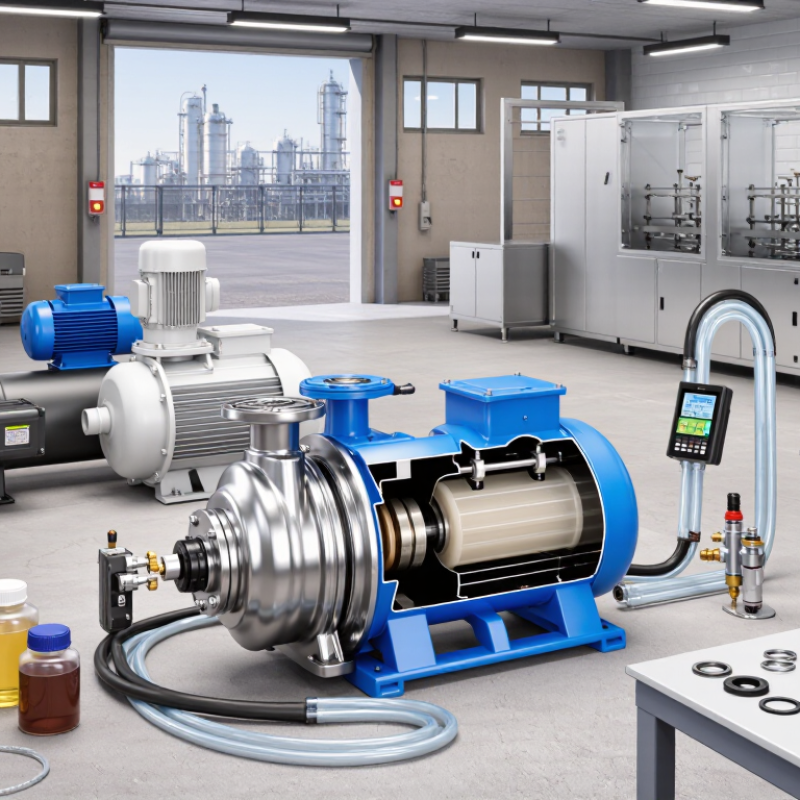
What Is a Diaphragm Pump and How Does It Work?
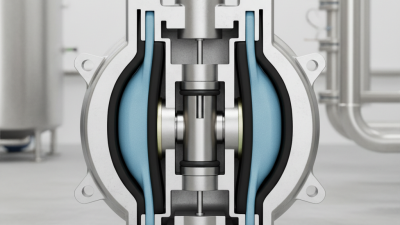
A diaphragm pump is a positive-displacement pump that moves liquid through a flexible membrane. The diaphragm moves back and forth inside a sealed chamber. On the suction stroke, inlet check valves open and liquid enters. On the discharge stroke, outlet valves open and the liquid leaves under pressure. The pumped fluid stays separated from the drive mechanism. This design helps handle abrasive, viscous, or chemically aggressive liquids.
Air-operated models use compressed air to flex the diaphragm, while electric models use a motor and mechanical linkage. In both cases, valve timing controls the flow direction. The action is pulsating, not perfectly smooth. That detail matters. A pulsation dampener may reduce vibration in long pipelines. Industry research reflects strong demand for this technology: MarketsandMarkets estimated the diaphragm pump market at about USD 6.5 billion in 2023, with continued growth through 2028. Grand View Research also reported steady expansion through 2030, linked to water treatment, chemical processing, and industrial automation.
Choosing a diaphragm pump in 2026 requires more than matching flow rate. Check liquid compatibility, viscosity, temperature, solids content, pressure, and available air or electrical power. Material charts can look precise, yet real mixtures behave differently. I would request test data using the actual fluid. Energy use also deserves attention; the U.S. Department of Energy identifies compressed-air systems as frequent industrial efficiency opportunities. A cheaper pump can consume more over its service life. Noise, diaphragm fatigue, spare-part access, and leak monitoring should be reviewed before installation. Small omissions become expensive later.
How to Choose a Diaphragm Pump in 2026?
What Is a Diaphragm Pump and How Does It Work?
A diaphragm pump uses a flexible membrane to separate the pumped fluid from the drive mechanism. When the diaphragm moves backward, it creates suction and opens the inlet valve. When it moves forward, it pressurizes the fluid and opens the outlet valve. This design is suitable for corrosive, abrasive, viscous, shear-sensitive, or air-sensitive fluids.
How to read this chart: The chart compares representative upper discharge-pressure limits for common diaphragm pump categories. Air-operated double-diaphragm pumps are widely used for flexible transfer duties, while metering pumps are selected when accurate dosing and higher discharge pressure are required. Actual performance depends on flow rate, fluid temperature, viscosity, solids content, diaphragm material, and the specific pump design.
Selection checklist: Confirm the required flow rate, discharge pressure, chemical compatibility, temperature range, solids handling capability, dry-running requirements, control accuracy, and available power or compressed-air supply before selecting a pump.
Which Diaphragm Pump Type Fits Your Application?
Choosing a diaphragm pump in 2026 starts with the application, not the catalog. An air-operated double-diaphragm pump suits remote areas, intermittent transfer, and liquids containing soft solids. It can run dry for short periods and offers simple flow control through air pressure. However, compressed air may be expensive, noisy, and unstable in poorly maintained plants. Use it for sludge, coatings, or aggressive cleaning fluids when containment and material compatibility matter. Check diaphragm and valve materials against the actual liquid temperature and concentration.
An electrically driven diaphragm pump fits fixed installations needing steady flow and lower operating noise. It often works well for chemical dosing, filtration loops, and small process skids. Choose variable-speed control when demand changes during a shift. Do not select by pressure alone. Viscosity, suction lift, particle size, and required flow must be measured together. A compact pump may look efficient, yet lose performance through narrow hoses and restrictive fittings. That detail is easy to miss.
For precise low-flow delivery, a solenoid or mechanically actuated metering diaphragm pump may be more suitable. These designs provide repeatable strokes, but they need clean calibration and stable back pressure. For abrasive mixtures, a hydraulic diaphragm design can protect the drive mechanism from the pumped fluid. I once treated maximum flow as the deciding number; the installed pump struggled at startup. A better method compares duty points, startup conditions, maintenance access, and cycle frequency. Request test data using a similar liquid, not water alone. Water can hide viscosity, friction, and settling problems. Leave room for uncertainty.
Which Safety, Maintenance, and Cost Factors Matter?
Choosing a diaphragm pump in 2026 begins with the fluid, not the catalog price. Record temperature, viscosity, solids, vapor pressure, and chemical compatibility before comparing models. Safety depends on controlled pressure, leak detection, grounding where needed, and a correctly sized relief path. Ask whether the pump can fail safely when a diaphragm tears. That matters. A clear operating limit is more useful than a generous marketing claim.
Maintenance affects both uptime and worker exposure. Choose a design with accessible diaphragms, visible fasteners, and replaceable wear parts. A pump requiring awkward disassembly may turn a thirty-minute inspection into half a shift. Check the service interval under your actual duty cycle, not only the laboratory rating. Keep records. Log stroke rate, discharge pressure, leakage, and replacement dates. These details reveal gradual wear before performance drops sharply. Still, maintenance estimates are rarely perfect. Dust, poor flushing, and rushed training can change the result.
Cost should include energy, spare parts, labor, downtime, and failed-component disposal. A low purchase price can hide expensive air consumption or frequent diaphragm changes. Request a total-cost estimate using daily hours and expected service life. Compare repair kits, delivery times, and technical support from documented sources. Do not accept vague claims. I would also test a small unit under representative conditions before committing to a large installation. That extra step costs time, but it may expose compatibility problems early. Not every buyer can run a full trial. Record assumptions and revisit them after the first service cycle.