What is a Diaphragm Pump and How Does it Work?
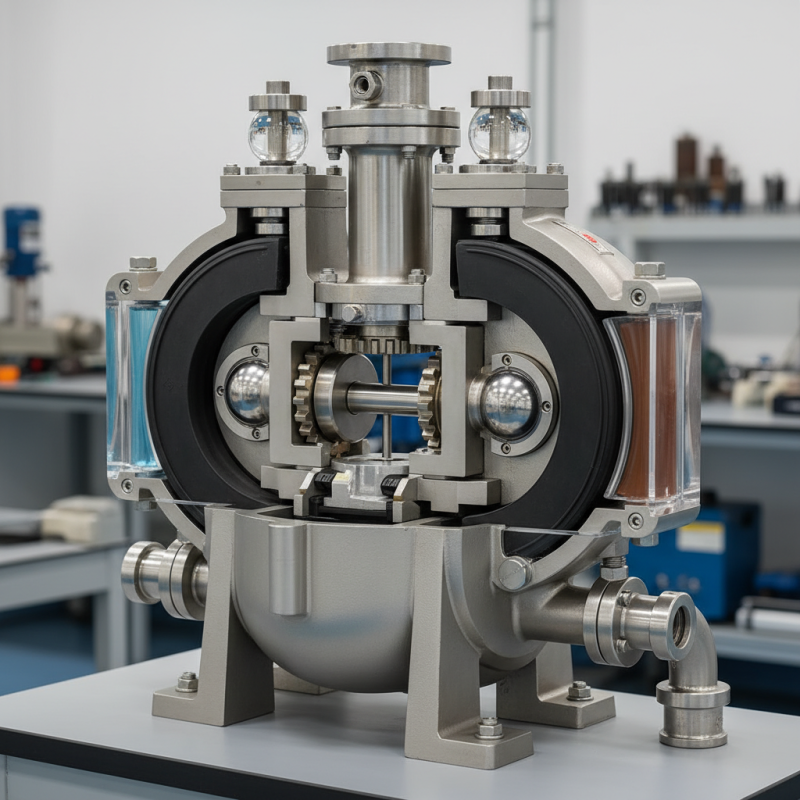
A diaphragm pump is a unique device used for transferring fluids. It operates using a flexible diaphragm to create pressure changes. This pump type is versatile and can handle various applications. It works by moving a diaphragm up and down to create suction and discharge.
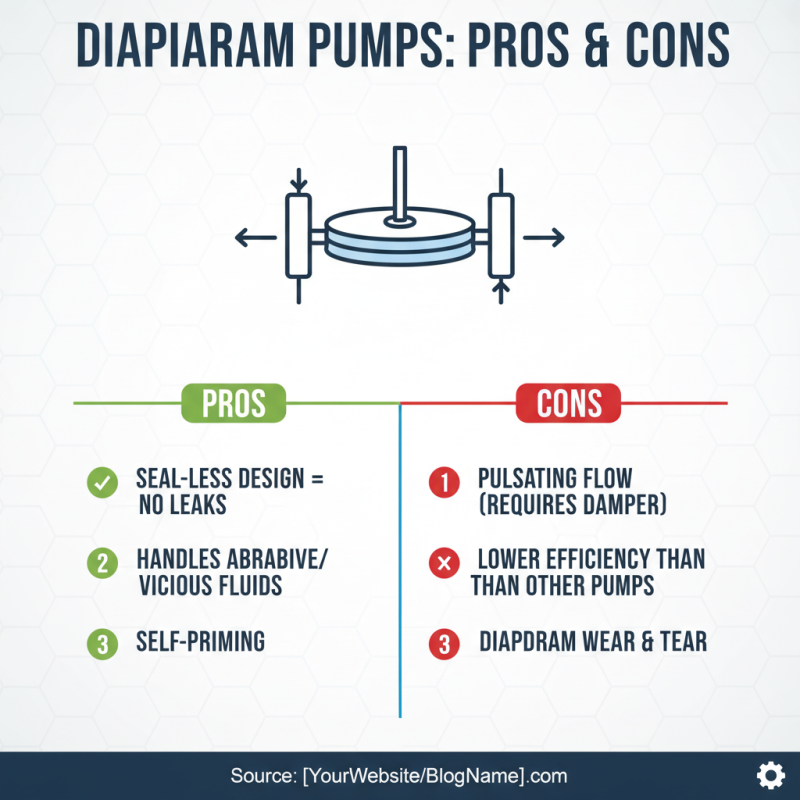
In many industries, a diaphragm pump is essential for safe fluid handling. It can pump corrosive, viscous, and even abrasive materials. Users appreciate its reliability, but it does have limitations. For instance, diaphragm wear can occur over time. Regular maintenance is crucial to ensure longevity.
Understanding how a diaphragm pump functions is vital. It helps users make informed decisions about when to use it. The mechanics of this pump are fascinating yet sometimes misunderstood. Exploring its inner workings can reveal opportunities for improvement and optimization.
What is a Diaphragm Pump?
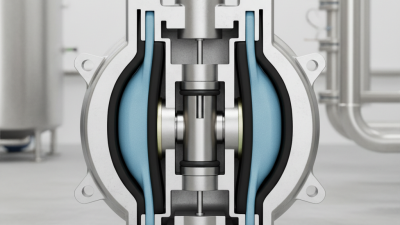
A diaphragm pump is a positive displacement pump that uses a flexible diaphragm to move liquids. It is often made of rubber or thermoplastic. The diaphragm creates a vacuum that draws liquid into the pump. Then, it pushes the liquid out through an outlet. This design is effective for handling a variety of fluids, including corrosive and viscous materials.
According to industry reports, diaphragm pumps can handle pressures up to 120 psi. They are commonly used in chemical processing, food and beverage manufacturing, and water treatment. Their ability to handle solids and slurries is a key advantage. However, operators should be mindful of potential diaphragm wear. Over time, this can lead to fluid leaks.
**Tip:** Regular maintenance can extend the life of your diaphragm pump. Check the diaphragm for signs of wear and replace it if necessary.
Another interesting point is that these pumps can operate dry without damage. This feature is beneficial in applications where fluid supply may be inconsistent. It’s crucial to ensure proper installation for optimal performance. Misalignment may reduce efficiency and cause early failure.
**Tip:** Always refer to the manufacturer's guidelines when installing or servicing the pump. Proper alignment can significantly affect performance metrics.
Principles of Operation for Diaphragm Pumps
Diaphragm pumps are unique devices that use a flexible diaphragm to create a pumping action. The basic principle involves the diaphragm moving up and down, creating a vacuum that draws fluid into the chamber. As the diaphragm moves down, fluid enters. When it moves up, the fluid is expelled. This simple mechanism allows for efficient handling of various fluids.
One key aspect of diaphragm pumps is their ability to handle both thick and thin liquids. This versatility is essential in industries such as pharmaceuticals and food processing. However, the design can sometimes lead to challenges. For example, if the diaphragm wears out, it can cause leaks. This situation demands regular maintenance and careful monitoring.
The effectiveness of a diaphragm pump largely depends on its materials and construction. For optimal performance, the right material for the diaphragm is crucial. In some cases, manufacturers may choose materials that are not optimal, leading to early wear. This can result in inefficiency and increased operational costs, prompting users to reassess their equipment choices frequently.
Diaphragm Pump Efficiency by Application
Components of a Diaphragm Pump System
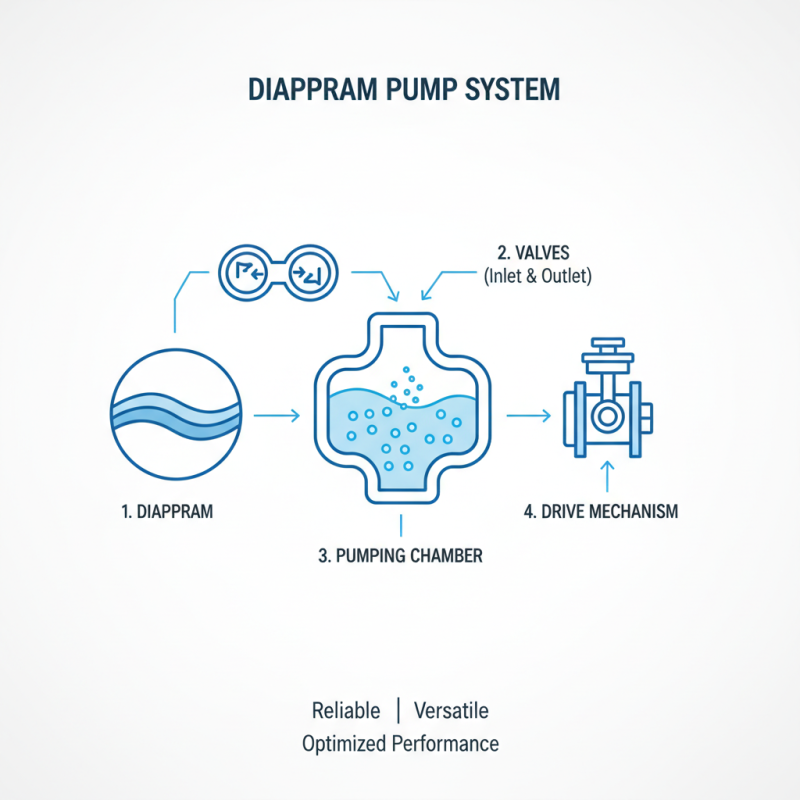
Diaphragm pumps are increasingly popular in various industries for their reliability and versatility. Understanding their components can help users optimize their performance. A diaphragm pump system typically comprises four main components: the diaphragm, valves, chamber, and drive mechanism. The diaphragm is a flexible membrane that separates the pumped fluid from the drive mechanism, ensuring safe and efficient operation.
The valves control the fluid's direction and flow rate. There are usually two types of valves: inlet and outlet. The chamber holds the fluid, allowing it to be compressed and displaced by the diaphragm's movement. The drive mechanism can be pneumatic or electric, dictating the pump's efficiency. According to a report from the International Pump Manufacturers Association, diaphragm pumps have a flow rate range between 0.5 to 200 liters per minute, depending on the design and application.
Moreover, maintenance is critical for diaphragm pump systems. Over time, diaphragms may wear out, leading to leaks and reduced efficiency. Regular inspection and timely replacement of components can prevent issues. However, many users tend to overlook these tasks, resulting in suboptimal performances and increased operational costs. Hence, understanding these components and their influence on the system is essential for keeping a diaphragm pump in top condition.
Common Applications of Diaphragm Pumps
Diaphragm pumps are versatile tools used in various industries. Their ability to handle viscous fluids and slurries makes them popular. In fact, a recent industry report indicated that the diaphragm pump market is expected to grow at a CAGR of 6.0% from 2022 to 2029. This is driven by increasing demand in sectors such as oil and gas, food and beverage, and pharmaceuticals.
In the food and beverage industry, diaphragm pumps are crucial for transferring products without contamination. They maintain hygiene by having no seals. This feature reduces the risk of microbial growth. In pharmaceuticals, precision matters. Diaphragm pumps can accurately handle medications and chemicals, ensuring consistent dosing. A survey conducted by The International Society for Pharmaceutical Engineering found that over 70% of pharmaceutical companies rely on diaphragm pumps for their operations.
Despite their advantages, diaphragm pumps are not without challenges. They require regular maintenance to avoid failure. Issues like diaphragm wear can lead to leaking, which requires attention. Industry analysts note that addressing these maintenance needs effectively can significantly enhance the longevity of diaphragm pumps. Moreover, while they offer excellent performance, energy efficiency can sometimes be a concern, particularly under varying load conditions.
What is a Diaphragm Pump and How Does it Work? - Common Applications of Diaphragm Pumps
| Application |
Fluid Type |
Advantages |
Common Industries |
| Water Treatment |
Chemicals, Slurries, Water |
Self-priming, Can handle viscous fluids |
Municipal, Industrial |
| Food & Beverage |
Sanitary fluids, Viscous foods |
Hygienic design, Easy to clean |
Food Processing, Beverage Production |
| Pharmaceuticals |
Medicines, Vaccines |
Non-contaminating, Precise flow control |
Pharmaceutical Manufacturing |
| Chemical Processing |
Corrosive chemicals |
Chemical resistance, Safe handling |
Chemical Manufacturing, Extraction |
| Oil & Gas |
Crude oil, Pumping fluids |
Robust design, High efficiency |
Oil Exploration, Refining |