How to Choose a Soft Wash System Kit in 2026?

Choosing a soft wash system kit in 2026 requires more than comparing prices. The right setup should match your work, water supply, transport needs, and maintenance habits. A kit for residential siding may differ greatly from one used on commercial roofs or larger exterior surfaces. Small details matter. Hose length, pump output, battery capacity, and chemical resistance can affect every job.

From practical use, I have learned that advertised pressure does not tell the whole story. Consistent flow is often more important for applying cleaning solutions evenly. A reliable soft wash system kit should include durable hoses, secure fittings, a suitable pump, and controls that are easy to reach while working. The equipment should also support responsible chemical handling, clear labeling, protective gear, and local safety requirements. These points are not exciting, but they prevent expensive mistakes.

There is no perfect kit.

This guide will examine the features that deserve close attention in 2026. It will compare portability, power sources, tank capacity, proportioning options, warranty support, and long-term serviceability. Real-world conditions can expose weaknesses that product pages hide, such as clogged filters, weak connectors, or batteries that lose capacity in cold weather. I may question some common buying advice, because budget equipment is not always poor, and premium equipment is not always practical. The best decision depends on honest job estimates, careful maintenance, and the operator’s experience.
How to Choose a Soft Wash System Kit in 2026?

Understanding Soft Wash Systems and Their Main Components

How to Choose a Soft Wash System Kit in 2026?

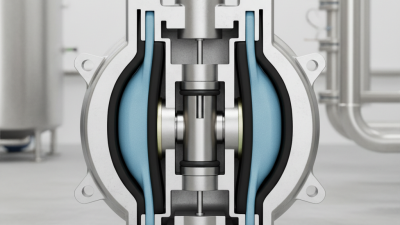
Choosing a soft wash system kit starts with understanding its working parts, not its advertised output. A soft wash setup uses a pump to move cleaning solution at controlled pressure. A proportioning device mixes water and detergent consistently. Separate tanks hold water and solution. Hoses, valves, filters, and nozzles complete the flow path. During field checks, I watch the spray pattern and hose stiffness first. Small restrictions can change application quality. That detail is easy to miss.

The pump should match the property’s size, hose length, and required flow. More pressure is not automatically better. Not always. Excess pressure can damage paint, seals, or fragile surfaces. A reliable kit includes chemical-resistant fittings, a filter before the pump, and a clean-water flushing method. The nozzle controls coverage, while the hose affects reach and handling. I once focused too much on tank capacity. The heavier setup slowed movement and increased fatigue. That was a poor trade.

Before buying, check flow rate, operating pressure, tank material, power requirements, and replacement-part access. Confirm that every component suits the intended solution, and follow label instructions. Wear suitable protective equipment and prevent runoff from entering drains or waterways. Keep a simple log of dilution, weather, surface type, and results. It supports repeatable work, although records cannot replace judgment. A test area remains essential. Surface conditions vary, even on the same building.

How to Choose a Soft Wash System Kit in 2026?

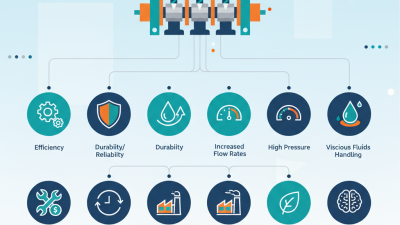
Typical pump-flow planning benchmarks by exterior cleaning area. Higher flow rates can reduce application time, but tank capacity, hose length, chemical compatibility, and safe operating pressure should also be evaluated.

Planning reference: approximately 4–10 GPM is a common soft-wash pump-flow range for residential and light commercial systems. Actual productivity depends on surface porosity, nozzle selection, hose length, solution strength, water access, and operator technique.

Assessing Cleaning Needs, Surface Types, and Property Size

How to Choose a Soft Wash System Kit in 2026?

Assessing Cleaning Needs, Surface Types, and Property Size

Start with the surface, not the pump. Vinyl siding, painted wood, asphalt shingles, and masonry need different pressures and detergents. The U.S. Environmental Protection Agency notes that moisture supports mold growth on many building materials. Therefore, a kit should provide controlled application, consistent dwell time, and thorough rinsing. High pressure can scar soft wood, strip paint, or force water beneath roofing materials. I have seen operators focus on flow rate and overlook surface condition. That choice can become expensive.

Size changes the equipment decision. A small home may need a compact tank, moderate hose length, and a dependable low-pressure applicator. Larger properties require more chemical capacity, longer hose runs, and a pump that maintains flow without overheating. The U.S. EPA estimates household leaks waste nearly one trillion gallons of water annually nationwide. That figure reinforces the value of shutoff controls and measured application, even on commercial sites. Water control matters.

Read the safety data sheets before selecting chemicals. The Occupational Safety and Health Administration requires hazard communication for workplace chemicals, including labels and safety information. Match the kit to the soil: organic staining, oxidation, and grease rarely respond equally. Keep a test area. Recheck results after drying. A 2024 pressure-washing market analysis reported continued industry growth, but market growth does not guarantee good judgment. Property size, material sensitivity, drainage, and operator experience should determine the system—not an impressive specification sheet.

Comparing Pump Strength, Flow Rate, Hoses, and Spray Equipment

How to Choose a Soft Wash System Kit in 2026?

Pump strength should match the job, not impress the specification sheet. EPA WaterSense at Work reports that many commercial pressure-washing units use about 2–5 gallons per minute. Soft washing usually needs lower pressure, but steady flow remains important. A practical 12-volt system may suit light residential work, while larger properties often require a stronger diaphragm pump and wider chemical-resistant plumbing. Check gallons per minute under working load, not only the advertised maximum. Static numbers can mislead.

Hose design affects the spray more than many buyers expect. A 5/8-inch hose usually carries more water than a 3/8-inch hose over long distances, reducing pressure loss. Keep runs short when possible. A 50-foot hose can feel very different from a 150-foot run. Use reinforced, chemical-compatible tubing, secure fittings, and a filter before the pump.

The U.S. Chemical Safety Board repeatedly emphasizes controlling chemical exposure through equipment, procedures, and training. That matters here. Gloves alone are not a system.

Spray tips should match the surface and flow rate. A wide fan can cover siding quickly, while an adjustable nozzle helps around windows and delicate trim. Avoid excessive pressure. It can force water behind cladding or damage older surfaces. My own early setup used a powerful pump with a narrow hose; the spray pulsed and coverage suffered. Bigger was not better. Test the system with clean water, measure actual output, and inspect every connection before applying cleaning solution.

Checking Chemical Compatibility, Safety Features, and Portability

Choosing a Soft Wash System Kit in 2026

Chemical compatibility should guide the purchase, not just pump pressure. Check the equipment manual, chemical labels, and safety data sheets before connecting anything. Strong cleaning solutions can damage ordinary seals, hoses, valves, or tanks. Look for components made for the chemicals you plan to use. Confirm concentration limits, temperature ratings, and recommended storage conditions.

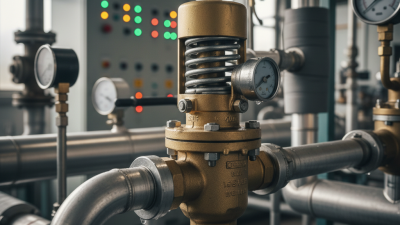
Safety features deserve close inspection. A reliable kit should include an emergency shutoff, pressure relief, secure hose fittings, and clear flow controls. Protective eyewear, chemical-resistant gloves, and suitable footwear remain essential, even during short jobs. Work in open areas when possible. Keep children, pets, and bystanders away from the spray zone. A small leak can spread across a concrete driveway quickly. Test the system with clean water first, then inspect every connection. I used to think a brief rinse was enough. It is not always enough.

Portability affects real productivity. Measure the vehicle space before buying, and check the loaded weight rather than the empty weight. Wide wheels help on gravel, while a compact frame suits narrow gates and stairways. Battery-powered models reduce cable clutter, but their runtime may disappoint on larger properties. Carry spare fuses, seals, and a simple repair kit. Do not ignore noise, handle height, or drainage after use. These details seem minor until the system must move repeatedly under pressure. A practical choice may be less powerful, but safer and easier to control.

Choosing the Best Soft Wash Kit for Your Budget and Maintenance Needs

How to Choose a Soft Wash System Kit in 2026?

Choosing the best soft wash kit starts with your workload, not the largest tank. The U.S. EPA WaterSense program reports that outdoor use can exceed 30% of household water consumption. In dry regions, it may reach 60%. A kit with adjustable flow can reduce waste during roof and siding work. Look for a chemical-resistant pump, clearly marked hoses, a reliable proportioning valve, and a tank sized for your average job. A 50-gallon tank may suit small residential routes. Larger tanks add capacity, but they also increase transport weight. That trade-off is easy to underestimate.

Maintenance needs should shape the budget. The Occupational Safety and Health Administration advises controlling chemical exposure through safer procedures, training, and suitable protective equipment. Choose components that are easy to rinse, inspect, and replace. Keep spare seals and hose fittings available. They are inexpensive insurance. The International Organization for Standardization’s ISO 4413 guidance emphasizes risk control, inspection, and maintenance for fluid-power systems. Apply that thinking to every connection and valve. I have found that simpler layouts are easier to troubleshoot beside a customer’s driveway. Still, a low-cost kit can become expensive when the pump fails early. My own judgment would be cautious here: pay for accessible replacement parts, not unnecessary features. A written rinse schedule and weekly leak check can protect both equipment and job quality.

EPA WaterSense, Outdoor Water Use; OSHA, Recommended Practices; ISO 4413.