Why Choose the Right Power Washer Pump for Your Cleaning Needs?
Choosing the right power washer pump is crucial for effective cleaning. Experts emphasize this point. James Thompson, a veteran in the pressure washing industry, once said, “The pump is the heart of the power washer.” A suitable power washer pump enhances performance and efficiency. It ensures that your cleaning tasks are completed swiftly.
Different tasks require specific types of pumps. Residential cleaning differs from industrial needs. A quality pump can significantly impact the ease of use. It dictates water pressure and flow rate. You may find yourself frustrated if you pick the wrong model. Far too often, users overlook this critical component. This oversight can lead to unsatisfactory results.
Investing in the right power washer pump maximizes cleaning potential. It allows you to tackle various surfaces effectively. Whether you are washing cars or heavy machinery, the right pump matters. Don't underestimate its importance. The right choice saves time and effort, which ultimately leads to better results. Understanding your needs is vital before making a selection.
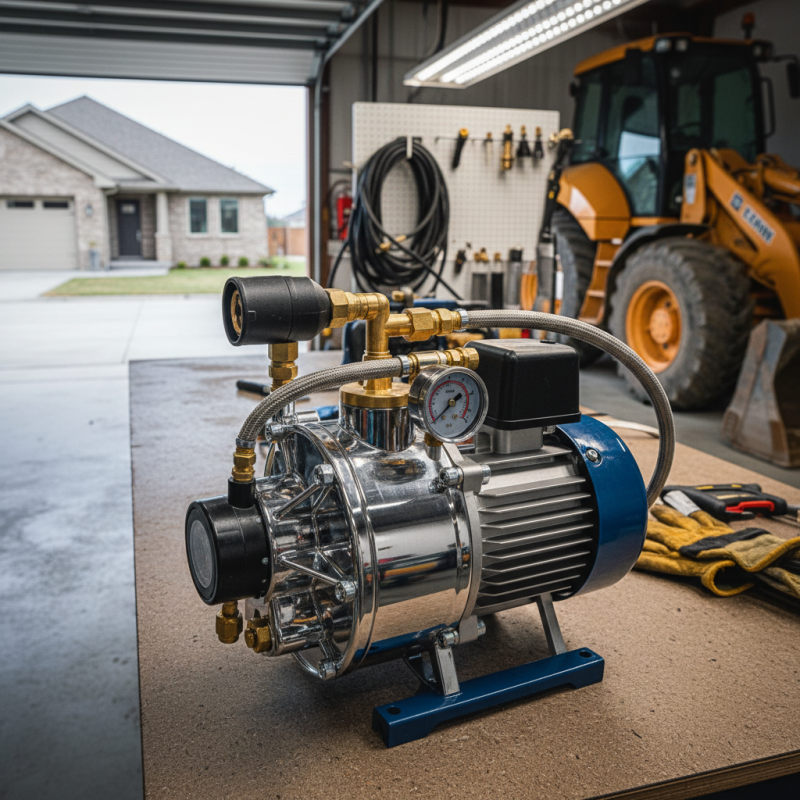
Understanding Different Types of Power Washer Pumps
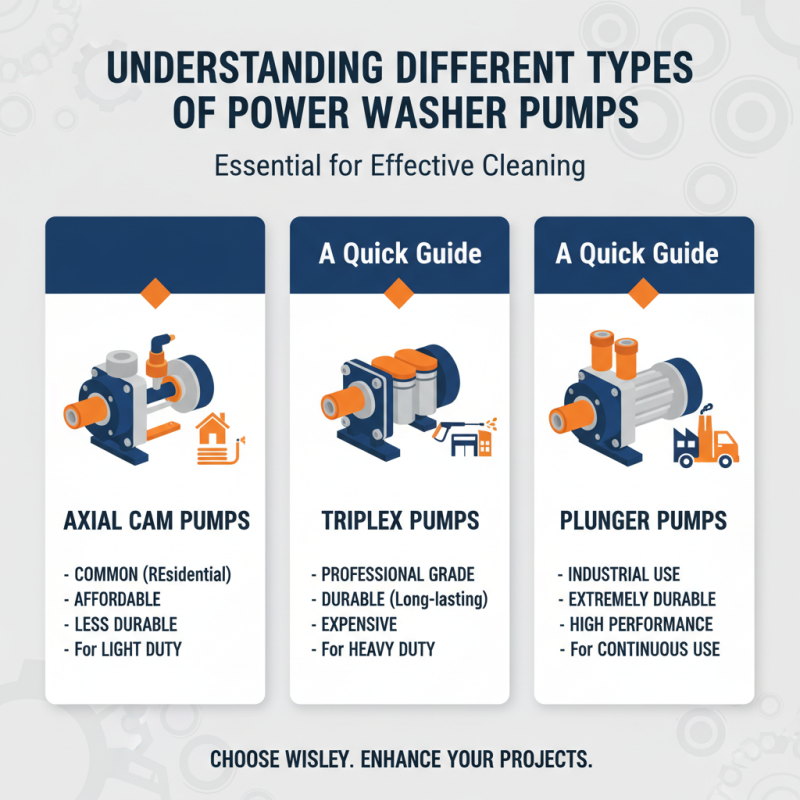
Choosing the right power washer pump is essential for effective cleaning. Various types are available, each serving specific needs. Understanding these can enhance your cleaning projects.
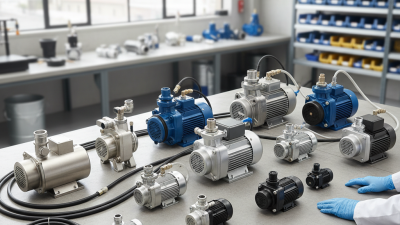
One common type is the diaphragm pump, known for its durability and ability to handle thick liquids. They excel in applications like cleaning driveways and decks. On the other hand, piston pumps are effective for more demanding tasks, offering higher pressure. They are often preferred for industrial use. Keep in mind that each pump type has its advantages and drawbacks.
**Tips**: Always assess the surface you'll clean. A pump that works well on concrete may not be suitable for softer materials. Consider the PSI (pounds per square inch) needed for your tasks. Higher PSI is not always better; it can damage delicate surfaces. Reflections on past cleaning jobs can reveal areas for improvement. Did you choose the right pump last time? Evaluate your cleaning results carefully.
Key Factors to Consider When Choosing a Power Washer Pump
Choosing the right power washer pump is crucial for effective cleaning. Consider the type of cleaning tasks you face.
Light-duty pumps work well for patios and cars.
Heavy-duty pumps are necessary for tougher jobs like large decks or commercial areas.
Assess what you need most before making a choice.
Understand the flow rate and pressure. A higher flow rate means faster cleaning. However, too much pressure can damage surfaces.
Aim for a balance based on the surfaces you clean. Don’t overlook materials used in the pump.
Durable materials ensure longevity, reducing the need for replacement.
Energy efficiency is another factor. Some pumps consume more power than others.
This can lead to higher costs over time. Reflect on your cleaning frequency and volume.
You might invest in a pump that seems overpowered for occasional use. In that case, you may want to reconsider your options.
Think about these details to find the perfect match for your cleaning needs.
How Pump Pressure Affects Cleaning Effectiveness
When choosing a power washer pump, understanding pump pressure is vital for effective cleaning. Research shows that a pump with a pressure rating of around 2,000 to 3,000 PSI is optimal for most residential tasks. This pressure range effectively removes dirt, grime, and stains from surfaces like decks and driveways. Higher pressure is not always better. Overly powerful sprays can damage surfaces or leave water marks.
Different surfaces require varying pressure levels. For instance, softer materials like wood and painted surfaces should use lower pressures, often below 1,500 PSI. This ensures the preservation of texture and appearance. Conversely, concrete and brick can withstand higher pressures. An industry report noted that using the appropriate pressure can increase cleaning efficiency by over 50%. This statistic highlights the importance of matching pressure levels to your specific needs.
However, many users still mistakenly assume higher pressure equals better results. This misunderstanding can lead to ineffective cleaning or even potential damage. Users should review their cleaning tasks carefully and consider factors like surface type and dirt complexity. This mindful approach ultimately fosters more effective power washing while prolonging the lifespan of both the surfaces and the equipment.
The Role of Flow Rate in Power Washer Performance
When choosing a power washer pump, flow rate is a critical factor. Flow rate, measured in gallons per minute (GPM), affects how efficiently and effectively dirt is removed. A higher flow rate means you can cover larger areas in less time. This is crucial for larger tasks like cleaning driveways or patios.
However, a higher flow rate isn't always better. It can lead to water wastage and increased consumption of energy. You might achieve the desired clean, but at what cost? Finding a balance is key. Sometimes, lower flow rates with higher pressure can make the job easier, especially for stubborn grime.
It's essential to consider the type of surfaces you will be cleaning. Some jobs require gentler approaches. A high flow rate may damage delicate surfaces like wood or glass. Assess your specific needs carefully. Each choice has its pros and cons, and understanding your cleaning tasks will help you make a more informed decision.
Flow Rate Comparison of Power Washer Pumps
This chart illustrates the flow rates of different types of power washer pumps, which directly impacts cleaning efficiency. Higher flow rates generally contribute to faster and more effective cleaning performance.