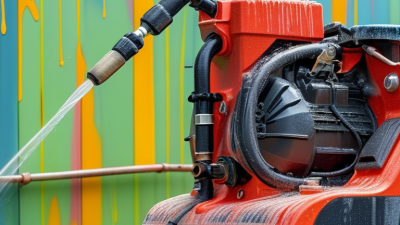
How to Choose the Best Soft Wash Pump?
Choosing the best soft wash pump starts with the work in front of you, not the largest number on a product label. A long hose run, a steep roofline, and thick cleaning solution all change how a pump performs. So does the water supply. The right unit should deliver suitable flow and pressure while handling the chemicals and duty cycle your jobs require. Small details matter. A leaking fitting or undersized battery can turn a smooth setup into a frustrating afternoon.
Soft-wash trainer Doug Rucker is a relevant industry expert to consult when assessing practical equipment choices. I can’t verify a specific quotation from him here, so the line below is an editorial summary, not a verbatim statement: “Choose a pump for the job, then check that the whole system can support it.” That distinction matters. Pump specifications alone do not guarantee reliable performance; hoses, connectors, power, and maintenance all play a part. This guide will compare common pump types, explain key specifications, and highlight questions to ask before buying. It will also cover trade-offs. A lower-cost model may suit occasional work, while frequent jobs may call for more durable components. There is no perfect pump for every setup. The best choice depends on your workload, budget, and willingness to maintain it. A little uncertainty remains until you test the complete system under real working conditions.
Understanding Soft Wash Pump Types and Their Uses
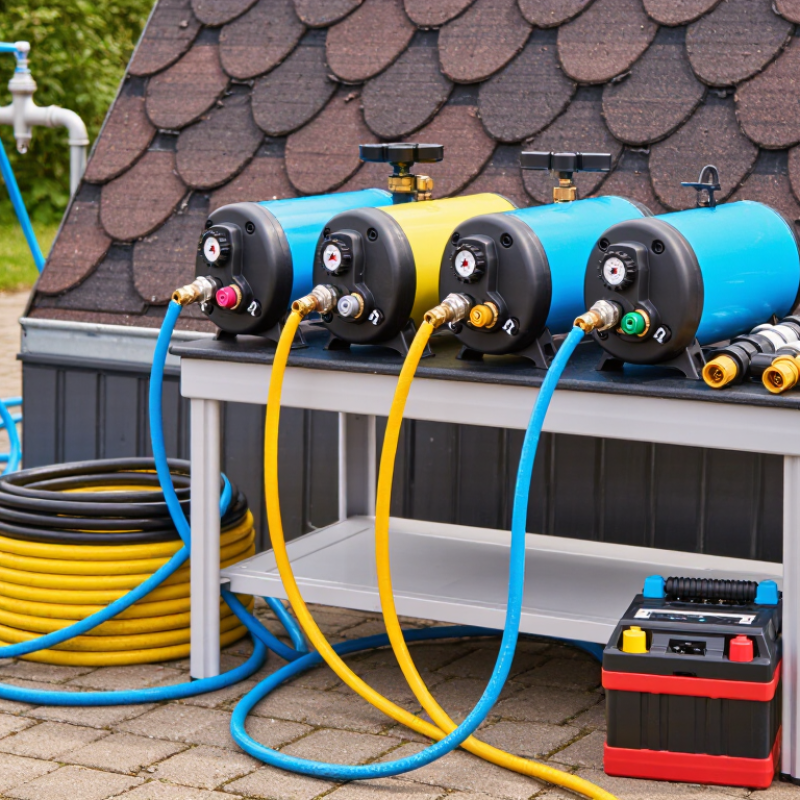
Soft wash pumps move cleaning solution at low pressure, but different designs suit different jobs. A 12-volt diaphragm pump is common on compact rigs because it is self-priming and easy to control. It works well for roof edges, siding, and smaller areas where steady flow matters more than force. Output can drop with long hoses, high lift, or restrictive nozzles. Check rated flow at working pressure, not only the maximum figure.
Air-operated diaphragm pumps suit frequent use and varied fluid conditions when their seals and wetted parts are compatible with the solution. They need a dependable air supply, which may complicate a basic mobile setup. Larger engine-driven diaphragm pumps can provide more volume for long hose runs or broad surfaces, but bring extra weight, noise, and maintenance. Centrifugal pumps are generally better for high-volume water transfer than controlled chemical application. Some lose prime. No type is perfect for every setup.
Tips: Match pump materials to the product label and concentration. Flush the system after use, check for leaks, and test flow with your actual hose and nozzle. A bucket test can reveal surprises. Keep notes; my first estimate is not always right.
Defining the Flow Rate and Pressure Your Jobs Require
A soft wash pump should match the flow rate your jobs need, not just a number on a product label. Flow rate, measured in gallons per minute, affects how quickly solution reaches the surface and how evenly it wets siding, roofs, or fencing. Estimate demand from the spray tips you plan to use and how many operators may spray at once. Two guns can require roughly twice the flow of one. Check the pump’s performance under working conditions; its maximum rating may not reflect output through real hoses and fittings.
Pressure matters too, but soft washing generally depends on controlled, lower-pressure application rather than forceful impact. Consider the pressure required at the spray tip, then allow for losses from hose length, elevation, filters, and fittings. A long hose run up to a roof can change the result. That matters. Match the pump to compatible plumbing and spray tips, and avoid choosing pressure by guesswork. A pressure gauge and a brief test with the actual hose setup can reveal whether the spray pattern is steady. A paper estimate can still be wrong. Recheck your figures when the job changes, especially if you add a second gun or use a longer hose. I’d leave a little room for those changes, but not so much that the pump becomes harder to control.
Checking Chemical Compatibility and Material Resistance
A soft wash pump may handle a cleaning solution for hours, but that does not mean every component can. Check compatibility with the exact chemical concentration, temperature, and contact time you expect to use. Sodium hypochlorite can be demanding on seals and metals, especially when left sitting in the pump. Small parts matter.
Review the entire wetted path: diaphragm, valves, O-rings, housing, fittings, and hoses. A resistant housing cannot compensate for a seal that swells, hardens, or leaks. Ask the pump supplier for material compatibility data, and confirm it applies to your chemical mixture rather than water alone. If the mixture includes surfactants or other additives, check those too.
Material names are useful, but not a guarantee. Formulations and operating conditions vary. Do not guess. After use, flush the pump with clean water if the equipment instructions allow it, then check for softening, discoloration, or seepage. A quick rinse is sensible, though it cannot repair material damage already underway. I would treat compatibility charts as a starting point, not a substitute for confirming the complete setup.
How to Choose the Best Soft Wash Pump?
Indicative chemical compatibility of common wetted-part materials
Ratings are a screening guide: 1 = poor, 5 = excellent. PTFE and PVDF offer broad chemical resistance; polypropylene is commonly suitable for many wash solutions, while 316 stainless steel can be vulnerable to hypochlorite and hydrochloric acid. Actual compatibility depends on concentration, temperature, exposure time, and component design. Verify the chemical supplier’s compatibility data before selecting a pump.
Matching Power Source and Capacity to Your Setup
Choosing a soft wash pump starts with the job, not the largest number on a specification sheet. Match flow rate to the nozzles and hose length, then check the pressure needed at the nozzle. A long hose or uphill run can reduce delivered flow. A small 12-volt pump can suit mobile, intermittent work; a gas-powered unit may better fit longer sessions away from outlets. For a fixed setup, mains power can avoid battery downtime. It depends on the work.
The U.S. Department of Energy’s Improving Pumping System Performance sourcebook reports that pumping uses nearly 20% of global electricity demand. That broad figure covers many industries, not soft washing specifically, but it highlights why oversized pumps can waste energy. Compare rated flow and pressure together, and check the duty cycle, power draw, and compatible hose fittings. A pump that looks adequate on paper may struggle once the hose is full and elevated. Specifications do not tell the whole story.
Tips: Measure your usual hose run and elevation before buying. Leave a modest capacity margin, but avoid choosing solely for peak flow. Test the setup with clean water and observe the nozzle pattern. That check can expose pressure drop early. Recheck your estimates after real jobs; actual hose routing is rarely as tidy as a diagram.
How to Choose the Best Soft Wash Pump? – Matching Power Source and Capacity to Your Setup
| Pump Setup | Typical Flow Range | Typical Operating Pressure | Power Requirements | Best Fit | Key Considerations |
|---|---|---|---|---|---|
| 12 V DC diaphragm pump | About 4–7 GPM (15–26 L/min) | Often around 40–100 PSI (2.8–6.9 bar), depending on the model and system | 12 V battery; current draw varies substantially with load | Small or occasional jobs, mobile setups, and users who need a compact pump | Simple to install and portable. Check the pump’s duty cycle, battery capacity, wiring, and chemical compatibility before buying. |
| Higher-capacity 12 V DC diaphragm pump | About 7–10 GPM (26–38 L/min) | Commonly rated for roughly 60–100 PSI (4.1–6.9 bar) | 12 V battery with appropriately sized cables, fuse, and charging system | Regular residential work where a vehicle-mounted or trailer-mounted system is preferred | Higher flow can increase battery demand. Confirm the pump can sustain the planned run time and that the plumbing and hose can handle its output. |
| 115 V AC electric diaphragm pump | About 5–10 GPM (19–38 L/min) | Typically in the soft-wash range; confirm the pump’s pressure rating for the selected model | Mains power or a suitably rated generator | Stationary equipment or sites with reliable AC power | Can suit longer work periods without relying on a 12 V battery. Requires safe electrical connections and a power source that meets startup and running demands. |
| Engine-driven chemical-compatible pump | Often about 5–12 GPM (19–45 L/min), depending on pump design | Varies by pump; select a model intended for low-pressure chemical application | Fuel-powered engine | Remote job sites or larger mobile systems where electrical power is limited | Offers mobility and extended operation, but adds engine maintenance, noise, exhaust, and fuel needs. Verify that wetted parts are compatible with the intended solution. |
| Compact setup with short hose runs | Usually 4–6 GPM (15–23 L/min) is adequate for modest workloads | Use only the pressure needed for the selected nozzle and application | Often a 12 V DC battery-powered system | Small properties, light-duty work, and shorter spray distances | A shorter, suitably sized hose can help preserve flow. Check the pump’s performance curve rather than relying on its maximum rated flow alone. |
| Higher-volume setup with longer hose runs | Often 7–10+ GPM (26–38+ L/min), subject to system design | Choose a pump and nozzle combination within the pump’s rated operating range | Higher-capacity DC, AC, or engine-driven power source | Larger properties, longer reach, or work requiring faster application | Long or narrow hoses, elevation changes, filters, and fittings can reduce delivered flow. Size the pump, hose, and power source as a complete system. |
Selection note: Flow and pressure figures are representative ranges, not guarantees. Actual output depends on the pump model, chemical mixture, hose diameter and length, elevation, nozzle, and system condition. Use equipment rated for the chemicals and follow the pump manufacturer’s operating and safety instructions.
Comparing Durability, Maintenance Needs, and Total Cost
How to Choose the Best Soft Wash Pump?
A soft wash pump’s durability depends on more than its advertised pressure. Check the wetted parts, seals, fittings, and housing for compatibility with your cleaning solutions. Corrosion-resistant materials can help, but harsh storage conditions still shorten service life. For frequent use, inspect the pump after each job for leaks, cracked hoses, or unusual vibration. Small details matter. A loose fitting can turn a routine wash into a repair.
Maintenance needs affect both downtime and operating cost. Ask how easily you can access the diaphragm, valves, and filters, and whether routine parts are readily available. Flushing the system after use and storing it out of direct sun can reduce wear. Follow the manufacturer’s care instructions; advice for one pump design may not suit another. It is easy to focus on performance numbers and overlook the minutes spent cleaning and checking equipment.
Compare total cost over several seasons, not just the purchase price. Include replacement parts, maintenance time, expected service life, and any accessories needed for your setup. A lower-priced pump may cost more if it needs frequent repairs. Still, paying extra does not guarantee a better fit. Estimate your weekly workload honestly; choosing for occasional jobs or daily use changes the calculation. That estimate may be imperfect, so leave room for heavier-than-expected use.
Related Posts
-
How to Choose the Best Soft Wash Pump in 2026?
-
2025 Guide: How to Choose the Best Soft Wash Pump for Effective Cleaning
-
How to Choose a Soft Wash System Kit in 2026?
-

Top 10 Benefits of Using an Industrial Water Hose Reel?
-
How to Choose the Best Cox Hose Reels for Your Needs?
-
Understanding the Best Air Diaphragm Pump Options in China Top Market?