
What Is the Best Detachable Sunroom to Buy?
A Detachable Sunroom can turn a patio, deck, or garden corner into a sheltered place for morning coffee, meals, or quiet reading. But “best” depends on your space and how you plan to use it. A compact enclosure may suit a small paved area, while a larger model needs room for doors, chairs, and safe access around its frame. Measure the site, including overhead clearance, before comparing products. A tape measure and a simple sketch can prevent an expensive mismatch.
Look closely at the frame, cover, anchoring system, and instructions—not just the product photos. Aluminum frames are often lighter to move, while steel can feel sturdier but may be heavier. Fabric panels should have clear care guidance, and the design should allow ventilation on warm days. Check how the unit attaches to the ground and whether the maker specifies conditions for use or removal. Weather resistance varies. No portable structure should be assumed safe in every storm.
Think through daily use, too. Can one person assemble it, or will you need help? Where will the panels go when the season changes? Compare dimensions, materials, replacement-part availability, warranty terms, and customer feedback from verified buyers. A low price may look appealing, but unclear instructions or hard-to-find parts can become frustrating later. I would not choose by appearance alone; even a handsome enclosure can feel cramped once a table and four chairs are inside. The sections ahead explain how to weigh these practical details and choose a model that fits your site, budget, and routine.
What Is a Detachable Sunroom?
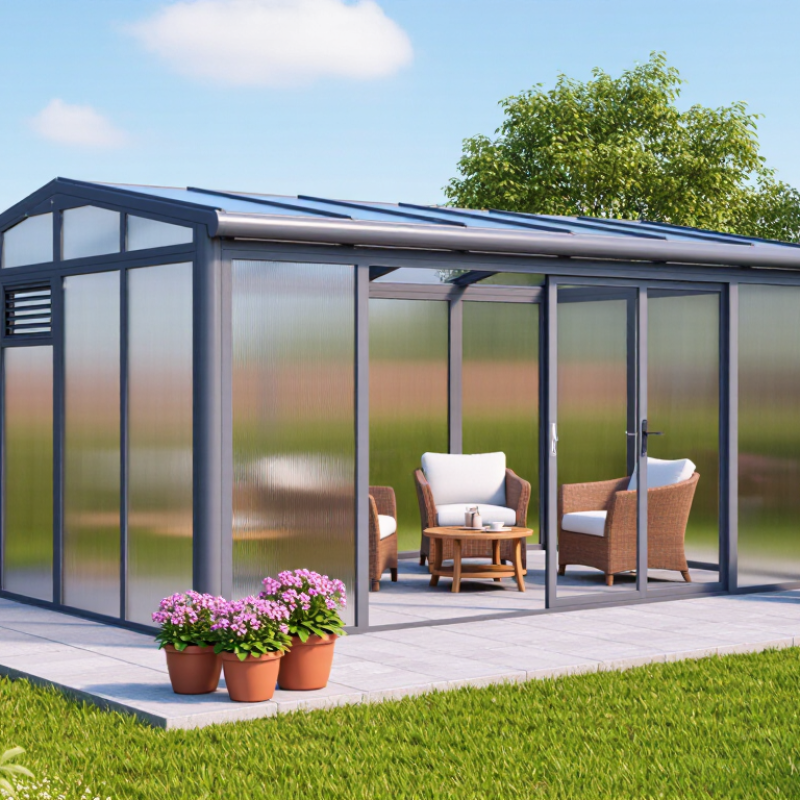
A detachable sunroom is an enclosed outdoor space designed to be assembled and taken down without becoming a permanent room addition. Its frame, roof, and wall panels connect through removable fittings rather than fixed construction. Depending on the design, the walls may use clear panels, mesh, or a mix of both. Think of a patio shelter with more protection from wind, insects, and light rain. Not a year-round insulated extension.
The practical details matter more than the label. Check how the frame attaches to the ground, how long setup takes, and whether panels can be replaced individually. A soft floor on uneven paving may wobble, while tightly sealed panels can trap heat on a sunny afternoon. Airflow matters. Measure the doorway and the furniture you plan to keep inside; a narrow entrance can make a roomy-looking structure awkward to use. Also review the care instructions and local weather limits before buying. “Detachable” does not automatically mean easy to move or suitable for every season. That distinction is easy to miss. A useful choice fits your patio, storage space, and tolerance for taking it down when conditions turn rough.
What Is the Best Detachable Sunroom to Buy? — What Is a Detachable Sunroom?
A detachable sunroom is an enclosure designed to be removed or disassembled, rather than permanently built as an addition. The best choice depends on your climate, intended use, installation surface, and local building requirements.
| Type | Typical enclosure | Best suited for | Weather protection | Removal and storage | Key buying checks |
|---|---|---|---|---|---|
| Seasonal fabric sunroom | Fabric panels on a lightweight frame; some designs include screened sections. | Warm-weather use, shade, and basic protection from insects. | Generally intended for mild conditions. Fabric enclosures should not be assumed to withstand heavy snow or strong winds unless specifically rated for them. | Often easier to take down and store than rigid-panel structures; fabric must be dry before storage to help prevent mildew. | Check frame anchoring, fabric care instructions, wind guidance, and whether replacement panels are available. |
| Screened seasonal enclosure | Mesh screens with a frame, sometimes with removable weather panels. | Outdoor dining and relaxing where airflow and insect control matter more than full weather protection. | Screens do not provide a sealed barrier against rain, cold, or wind. Optional panels may improve protection but vary by design. | Usually designed for seasonal use; confirm how screens and any added panels attach and store. | Look for secure door closures, repairable mesh, stable anchoring, and clear guidance for panel installation. |
| Rigid-panel modular enclosure | Framed sections with clear rigid panels, commonly designed to be assembled in modules. | Users who want more shelter and a sturdier feel than a fabric or screen enclosure. | Protection depends on panel material, seals, frame, anchoring, and the structure’s tested limits. It is not automatically suitable for year-round use. | Can be disassembled, but rigid parts may be heavier and need more protected storage than fabric components. | Verify panel replacement options, connection details, drainage, wind and snow limits, and whether the base must be fixed in place. |
| Freestanding portable sun shelter | A separate framed shelter with open, screened, or removable side panels. | A patio or garden where the enclosure should not attach directly to the house. | Varies by roof and side-panel design; open-sided versions provide shade but limited protection from driving rain and cold. | May be movable or dismantled, but size, frame weight, and required anchoring affect how practical that is. | Check footprint, surface requirements, anchoring method, drainage, and whether the unit must be taken down in severe weather. |
Quick guide: Choose a screened enclosure for airflow and insect control, a fabric design for seasonal flexibility, or a rigid-panel modular design when greater shelter is a priority. Before buying, confirm the structure’s weather limits, anchoring requirements, removal process, and any local permit or building-code requirements.