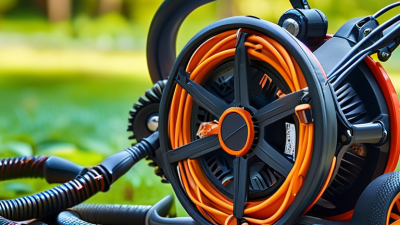
How to Choose an Electric Hose Reel in 2026?
Choosing the right electric hose reel in 2026 requires more than comparing motor power and advertised hose length. It demands a practical assessment of safety, durability, control, and total operating cost. The U.S. Bureau of Labor Statistics reported 2.4 recordable injury and illness cases per 100 full-time private-industry workers in 2023. That figure reinforces a simple point: equipment design can influence daily workplace exposure.
A reliable electric hose reel should match the working environment, hose material, pressure rating, and duty cycle. A workshop washing vehicles needs different protection from a food-processing plant or outdoor irrigation site. Look for guarded moving parts, dependable limit controls, suitable ingress protection, and accessible emergency isolation. IEC 60204-1 provides widely recognized guidance for electrical equipment on machinery, while ISO 12100 supports systematic risk assessment and safer machine design. These standards do not replace local compliance checks. They create a stronger evaluation framework.
Market reports often discuss industrial hoses, fluid-handling equipment, or automation separately. They rarely isolate electric hose reels as a precise product category. That limitation matters. Grand View Research and MarketsandMarkets both identify continuing growth across industrial equipment and hose-related applications, but their market boundaries differ. Treat broad forecasts carefully. A glossy forecast cannot confirm a reel’s real performance beside a muddy loading bay.
This guide focuses on evidence you can inspect: rewind consistency, cable protection, noise, mounting stability, service access, and warranty terms. Measure the actual workspace. Check the hose under load. Ask whether replacement parts remain available. Small oversights become expensive. The best choice is not always the strongest model; it is the model that performs safely, repeatedly, and predictably in your specific operation.
What Is an Electric Hose Reel and How Does It Work?
How to Choose an Electric Hose Reel in 2026?
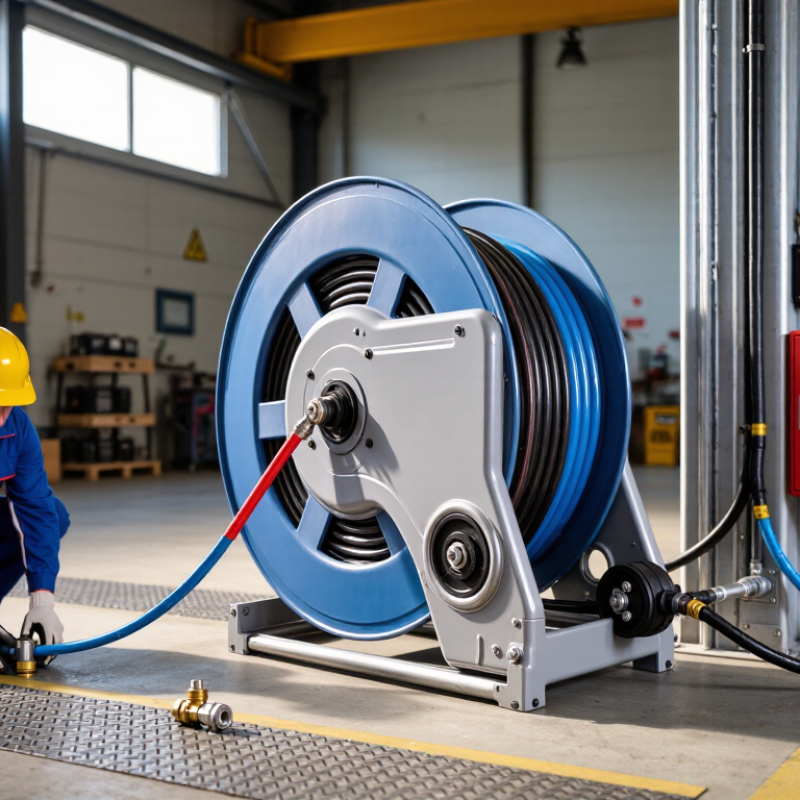
An electric hose reel stores and winds flexible tubing around a powered drum. A motor turns the drum, while a guide keeps the hose aligned during retraction. Most systems use a wall switch, remote control, or automatic sensor. The motor stops when the hose reaches its limit, reducing sudden pullback and uneven winding.
Inside, the basic path is simple: electricity reaches a geared motor, the gearbox increases torque, and the drum rotates at a controlled speed. A slip ring may transfer power through a rotating assembly. Thermal protection can stop the motor when heat rises. This matters in workshops where repeated cycles create hidden stress. The U.S. Department of Energy reports that motor-driven systems can consume more than half of industrial electricity, so efficient motors and standby controls deserve attention.
In 2026, choose by hose length, outside diameter, fluid compatibility, and duty cycle. A reel rated for occasional watering may fail under daily pneumatic or washdown work. Check ingress protection, braking behavior, cable quality, and replacement-part access. Industry risk guidance, including ISO 12100 principles, supports guarding moving parts and controlling stored energy. I have found that many buyers focus on maximum length first. That can be a mistake. A shorter, correctly rated hose often retracts more reliably and lasts longer. Read the technical sheet carefully. Marketing language is not a test result.
Which Hose Reel Specifications Match Your Watering or Cleaning Tasks?
How to Choose an Electric Hose Reel in 2026?
The right electric hose reel depends on the task, not the motor size. The U.S. Environmental Protection Agency reports that outdoor water use exceeds 30% of household consumption. It also estimates landscape irrigation uses nearly 9 billion gallons daily nationwide. For flower beds, choose a 1/2-inch hose, 30–50 feet long, with a gentle adjustable nozzle. Lower flow protects soil from erosion and reduces overspray near walls.
For car washing or patio cleaning, a 5/8-inch hose usually offers better flow. Choose 50–100 feet when the reel must reach a driveway or distant tap. Check the hose’s working-pressure rating against your water supply. The reel should include a swivel joint, automatic stop, thermal motor protection, and a replaceable inlet connection. The International Electrotechnical Commission’s IEC 60529 standard makes IP ratings useful outdoors. IP55 resists dust and water jets; IP65 provides stronger enclosure protection.
A stronger motor is not always better. It may increase noise, energy use, and recoil speed. In practical use, a slow, controlled rewind prevents the hose from striking a wall or twisting near the guide. I would also leave several feet unreeled during heavy cleaning. That habit is imperfect, but it reduces strain on the connector. Check winter storage needs too. Freezing water can damage even a well-sealed reel.
How to Choose an Electric Hose Reel in 2026?
Which hose reel specifications match your watering or cleaning tasks?
Select hose length, water-flow capacity, and motor power according to the task. Garden watering usually needs a shorter hose and moderate flow, while vehicle washing, patio cleaning, and larger outdoor areas benefit from longer hoses and higher flow rates. The values shown are practical specification ranges for common residential and light-duty applications.
How to Compare Motor Power, Hose Capacity, and Retraction Speed
How to Choose an Electric Hose Reel in 2026?
How to Compare Motor Power, Hose Capacity, and Retraction Speed
Motor power should match the hose, not just the advertised length. A longer or wider hose creates more resistance and requires stronger torque. I once selected a reel using length alone. That assumption was wrong. The motor slowed noticeably near the final few feet. Check the motor’s rated duty cycle, operating voltage, and performance under load. A powerful motor may still overheat when used repeatedly in a warm workshop.
Hose capacity also needs careful measurement. Confirm the reel’s capacity for your exact hose diameter, because thicker hoses occupy space quickly. Leave spare room instead of filling the drum completely. It helps prevent uneven winding and unnecessary strain.
Retraction speed affects both convenience and control. Fast retraction saves time, but excessive speed can make the hose whip or tangle. Look for adjustable speed or a controlled stopping system. Test it with the hose fully extended. Empty-drum performance can be misleading.
My own comparison was imperfect because I tested indoors, where the hose stayed clean and flexible. Outdoor dust, cold temperatures, and water inside the line may reduce speed. Record the actual rewind time, motor temperature, and final winding quality before choosing.
What Safety, Durability, and Installation Features Should You Check?
Choosing an electric hose reel in 2026 requires more than checking motor speed. Safety features deserve priority. The Electrical Safety Foundation International reported 126 workplace electrical fatalities and 1,560 injuries in 2020. A reliable reel should include overload protection, grounded wiring, sealed switches, and a residual-current device connection. Check the enclosure rating under IEC 60529, especially for washdown areas. IP ratings are not decoration.
Durability depends on daily friction. Choose a steel or reinforced polymer frame, corrosion-resistant fasteners, and a hose guide that prevents sharp bending. A thermal cutoff can protect the motor during repeated retraction cycles. Also inspect the spring, gearbox, and swivel joint. These parts often fail before the housing. Installation matters just as much. Confirm wall strength, mounting-hole spacing, cable length, and clearance for a fully extended hose. Follow IEC 60204-1 principles for machine electrical safety, and keep the power connection away from standing water. Perfect installation is rarely achieved on the first attempt.
Tips: Measure twice. Mark the mounting points with the reel loaded. Test emergency stopping, grounding, and smooth retraction before regular use. Record unusual heat or noise. Small warnings can become expensive repairs. In my experience, users often select a stronger motor but ignore the mounting surface. That choice can create vibration, loosen bolts, and shorten service life. Check the boring details. They usually matter most.
How to Select the Best Electric Hose Reel for Your Budget and Space
Choosing an electric hose reel starts with your space, not its advertised power. Measure the wall, ceiling clearance, hose path, and nearby outlet. Leave at least 30 centimeters around the housing for airflow and maintenance. A compact reel suits balconies and narrow garages, while a larger unit needs a stable wall or floor mount. The U.S. Environmental Protection Agency estimates household leaks can waste nearly 10,000 gallons of water annually. A reel with a reliable shutoff and smooth rewind can reduce dripping at the tap, although it cannot repair damaged plumbing.
Budget for more than the reel. Include mounting hardware, a weatherproof cover, and possible electrical work. Check the hose length against your actual watering area. Extra length adds weight and may slow retraction. For outdoor placement, inspect the enclosure rating and keep connections above wet ground. NFPA’s Home Structure Fires report identifies electrical distribution and lighting equipment as a significant source of residential fires, so protected outlets and built-in overload protection deserve priority. Do not rely on appearance alone.
I would choose a simpler model before paying for unnecessary sensors. They sound useful. Yet a manual override, replaceable hose, and accessible fittings may matter more after two summers. EPA WaterSense guidance also supports using shutoff devices and leak checks during outdoor watering. That small routine is easy to neglect. Your space, water pressure, and maintenance habits should decide the final purchase.
How to Choose an Electric Hose Reel in 2026? — How to Select the Best Electric Hose Reel for Your Budget and Space
| Recommended Use | Typical Hose Type | Useful Hose Length | Common Inner Diameter | Typical Power Supply | Typical Reel Capacity | Approximate 2026 Budget | Space and Feature Guidance |
|---|---|---|---|---|---|---|---|
| Small home garden | Water hose for irrigation or light washing | 25–50 ft (7.6–15.2 m) |
1/2–5/8 in (12.7–15.9 mm) |
120 V AC or rechargeable 18–24 V DC | Light-duty motor; up to approximately 50 ft | $120–$280 | Choose a compact wall or floor unit. A 180° swivel bracket is useful for narrow patios, while automatic shutoff helps prevent overrun. |
| Large residential yard | Garden, utility, or drinking-water-rated hose | 50–100 ft (15.2–30.5 m) |
5/8–3/4 in (15.9–19.1 mm) |
120 V AC or 24 V DC | Medium-duty motor; approximately 100 ft maximum | $250–$550 | Allow at least 4–6 in of side clearance for the swivel and hose connection. Look for adjustable hose-layering control to reduce tangling. |
| RV, boat, or outdoor washdown | Flexible water hose with UV-resistant outer jacket | 50–75 ft (15.2–22.9 m) |
5/8–3/4 in (15.9–19.1 mm) |
12 V or 24 V DC | Medium-duty capacity; approximately 75 ft | $280–$650 | For mobile installations, prioritize low current draw, a weather-resistant enclosure, a manual override, and a secure mounting plate. |
| Light workshop or garage | Air hose, water hose, or low-pressure utility hose | 50–100 ft (15.2–30.5 m) |
3/8–1/2 in (9.5–12.7 mm) |
120 V AC or 24 V DC | Medium-duty motor; approximately 100 ft | $300–$700 | Check the hose pressure rating separately from the reel. A thermal overload protector and a locking swivel are valuable for repeated daily use. |
| Pressure-washing setup | High-pressure cleaning hose | 50–100 ft (15.2–30.5 m) |
1/4–3/8 in (6.4–9.5 mm) |
120 V AC or 12/24 V DC | Heavy-duty motor; approximately 100 ft | $450–$1,100 | Confirm compatibility with the working pressure, temperature, and chemical exposure. A reinforced inlet swivel and strong frame are more important than maximum rewind speed. |
| Commercial service vehicle | Air, water, fuel-transfer, or washdown hose | 75–150 ft (22.9–45.7 m) |
3/8–3/4 in (9.5–19.1 mm) |
12/24 V DC or 120/230 V AC | Heavy-duty capacity; approximately 150 ft | $700–$1,800 | Measure the vehicle bay carefully. Select a reinforced frame, serviceable motor, positive hose-locking positions, and a circuit sized for the starting current. |
| Industrial washdown or production area | Food-grade, chemical-resistant, or high-temperature hose | 75–200 ft (22.9–61.0 m) |
1/2–1 in (12.7–25.4 mm) |
230 V AC or industrial 24 V DC | Heavy-duty motor; approximately 200 ft | $1,000–$3,000+ | Specify the hose material, chemical compatibility, duty cycle, and enclosure rating. Stainless or coated construction is preferable in wet or corrosive environments. |
| Space-limited indoor installation | Compact air or water hose | 25–50 ft (7.6–15.2 m) |
1/4–3/8 in (6.4–9.5 mm) |
120 V AC or low-voltage DC | Compact capacity; approximately 50 ft | $180–$500 | Measure width, depth, height, and door swing before purchase. Top or side mounting can save floor space; choose a quiet motor for occupied rooms. |
| Outdoor or exposed installation | UV-resistant water, air, or washdown hose | 50–150 ft (15.2–45.7 m) |
3/8–3/4 in (9.5–19.1 mm) |
12/24 V DC or weather-protected AC | Medium- to heavy-duty capacity | $400–$1,500 | Use a weather-resistant enclosure, covered electrical connections, corrosion-resistant fasteners, and drainage. Do not treat an enclosure rating as permission to submerge the reel. |
Budget ranges are typical retail estimates in U.S. dollars for 2026 and can vary with hose material, pressure rating, motor type, enclosure, controls, and installation requirements. The reel’s maximum hose length and the hose’s working pressure must always be verified separately.
Related Posts
-
Best Electric Hose Reel Options for Global Buyers Today?
-
Top 10 Benefits of Using an Electric Hose Reel for Your Garden
-
Top 10 Electric Hose Reel Options for Effortless Gardening and Cleanup
-

10 Essential Hose Reel Tips for Efficient Garden Watering and Storage
-
Top Benefits of Using Stainless Steel Hose Reels for Your Needs?
-
Top Stainless Steel Hose Reel for Global Buyers in 2026?