How to Choose the Right Plunger Pump for Your Needs?
Choosing the right plunger pump can feel overwhelming. With various options available, each designed for unique applications, decision-making becomes crucial. A plunger pump is more than just a simple device; it plays a vital role in many industries. Whether you're in construction, agriculture, or manufacturing, understanding your needs is essential.
Different types of plunger pumps have varying capacities and features. You might ask yourself, which specifications matter most? Some pumps excel in high-pressure situations, while others are best for lower, consistent flows. It's important to assess the materials they will handle. Compatibility can impact performance and longevity.
Consideration of maintenance is often overlooked. A reliable plunger pump requires regular upkeep, which can factor into your choice. Investing time and effort now will save you frustrations later. Reflecting on all these elements helps in identifying the ideal plunger pump for your unique requirements. It's not just a purchase; it’s a decision that affects your operations directly.
Understanding the Different Types of Plunger Pumps Available in the Market
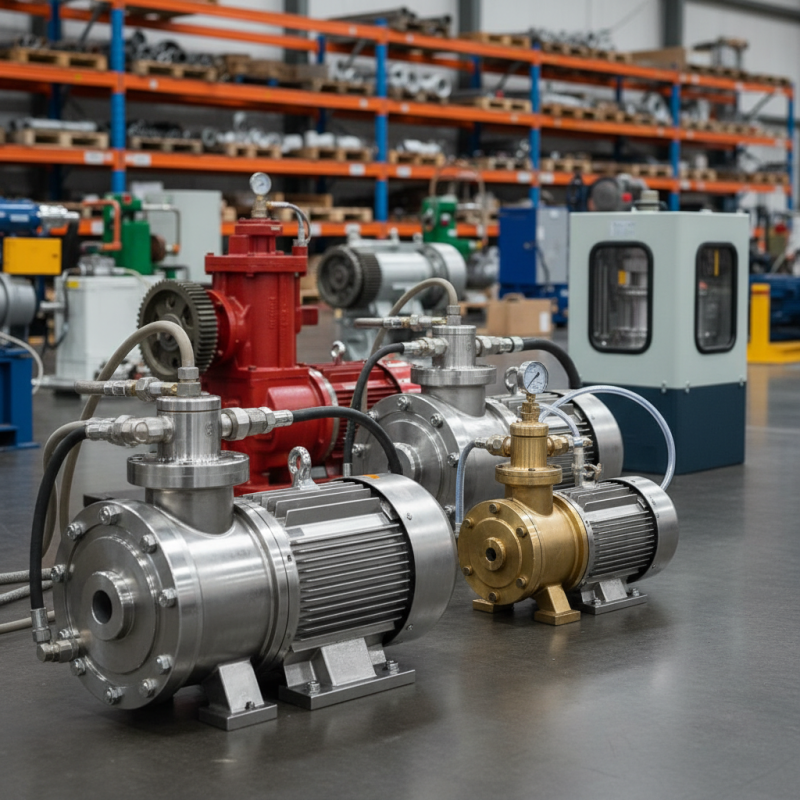
When selecting a plunger pump, it's vital to understand the different types available in the market. Generally, plunger pumps can be categorized based on their design and application. There are simple diaphragm pumps and more complex reciprocating pumps. Each type serves unique needs.
For instance, diaphragm pumps are great for handling fluids with solids. They are often used in industrial applications. On the other hand, reciprocating pumps are known for high-pressure performance. They are ideal for tasks that require consistent flow. Each type has its advantages and drawbacks.
**Tips:** Consider the fluid type you will pump. Is it abrasive or corrosive? Check the pump's material compatibility. Additionally, evaluate the required pressure. A pump that is too powerful may lead to higher operating costs. An improperly chosen pump can cause inefficiency. Always reflect on your specific needs before making a decision.
How to Choose the Right Plunger Pump for Your Needs?
| Type of Plunger Pump |
Applications |
Flow Rate (GPM) |
Pressure Range (PSI) |
Material |
| Single Acting Plunger Pump |
Water and wastewater applications |
1-100 |
1000-3000 |
Stainless Steel |
| Double Acting Plunger Pump |
Chemical processing and food industry |
5-200 |
1500-5000 |
Polypropylene |
| Hydraulic Plunger Pump |
Oil and gas, power generation |
10-150 |
2000-6000 |
Cast Iron |
| Diaphragm Plunger Pump |
Pharmaceuticals and food processing |
2-50 |
50-1500 |
PTFE |
| Electric Plunger Pump |
Low-pressure water transfer |
0.5-20 |
100-300 |
Aluminum |
Key Factors to Consider When Selecting a Plunger Pump for Your Application
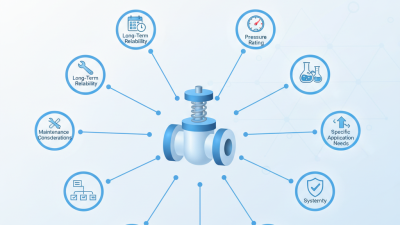
Choosing the right plunger pump involves several key factors. First, consider the fluid you will be pumping. Different fluids require different materials. There’s a need for compatibility between the pump materials and the pumped media.
Next, think about the required pressure. Higher pressures demand stronger pumps. Selecting a pump that cannot handle the required pressure can lead to issues. Note that the pump’s design affects its efficiency as well.
**Tip:** Check the pump’s specifications carefully. Sometimes, reading the fine print reveals limitations.
Another essential factor is the required flow rate. This figure impacts your operational efficiency. Underestimating your needs can lead to poor performance.
**Tip:** Always calculate your flow rate ahead of time. This can save you headaches later.
Also, consider maintenance needs. Some pumps are easier to maintain than others. A pump with complex parts might require more time and resources. Reflect on how much downtime is acceptable for your operation.
**Tip:** Evaluate your available maintenance resources. A well-planned maintenance schedule makes a difference.
Choosing the Right Plunger Pump: Key Factors to Consider
Performance Metrics: Flow Rate and Pressure Ratings of Plunger Pumps
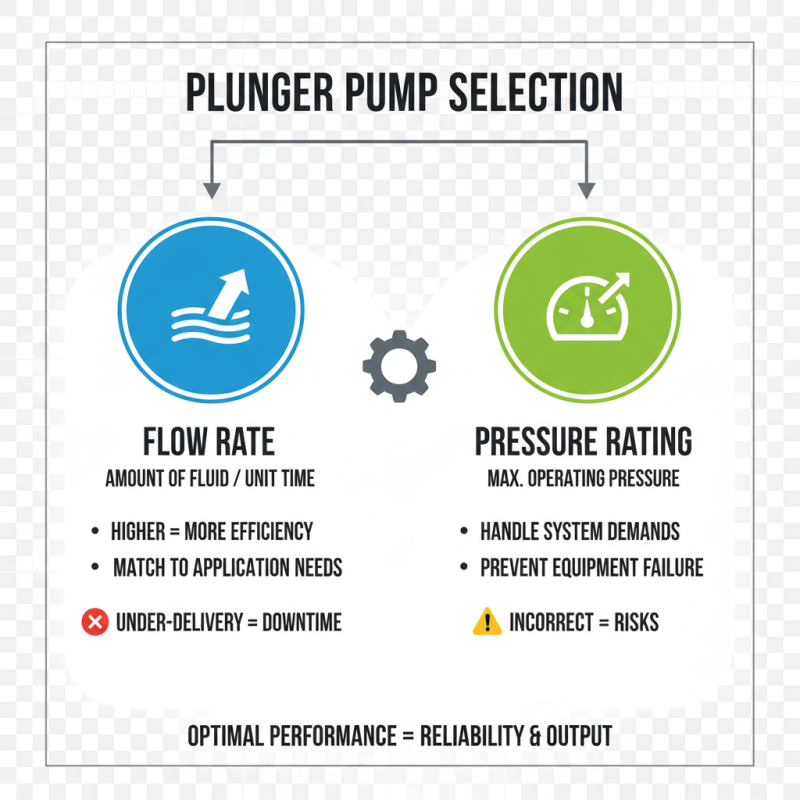
When selecting a plunger pump, two key performance metrics come into play: flow rate and pressure ratings. Flow rate indicates how much fluid the pump can move within a given time frame. A higher flow rate means increased efficiency in operations. For instance, if you require a pump for a high-demand application, it's crucial to assess if the flow rate aligns with your needs. Some pumps may even underdeliver, leading to frustrating downtime or reduced output.
Pressure ratings are equally important. They reveal how much force the pump can exert to push fluid through a system. Consider the specifics of your setup. High-pressure applications, like industrial cleaning or oil exploration, may require robust pumps. Yet, there’s a risk of oversizing. Choosing a pump with unnecessarily high pressure ratings can increase operational costs and lead to premature wear.
Don’t forget to factor in the materials used in the pump construction. Different fluids react differently with materials. Compatibility matters. One must ensure the chosen pump performs effectively under operational conditions. There’s no one-size-fits-all solution. It's crucial to balance flow rate, pressure ratings, and material compatibility. Often, it requires careful consideration and adjustments, reflecting the complexity of proper pump selection.
Material Compatibility: Ensuring Pump Durability and Chemical Resistance
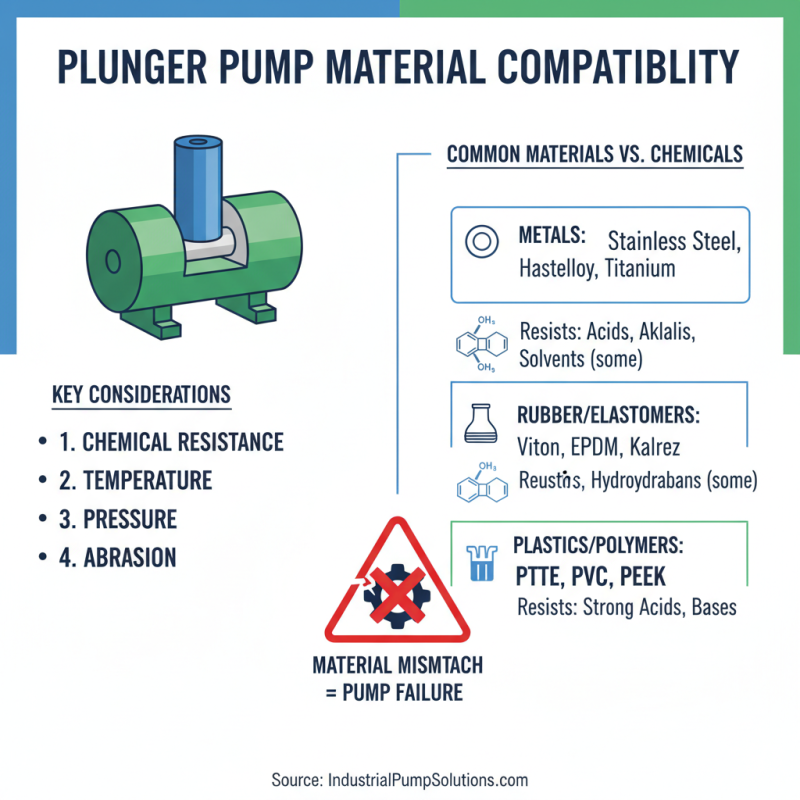
Choosing a plunger pump involves understanding material compatibility. The materials used in the pump must resist the chemicals handled. For example, pumps may encounter acids, solvents, or abrasives. Each chemical can interact differently with metal, rubber, or plastic components. If the materials do not align, pump failure can occur.
Consider the operating conditions as well. Temperature and pressure levels can influence durability. Some plastics may warp under heat, while metals can corrode. It's vital to assess these factors before making a decision. Sometimes, the ideal material appears too costly or hard to source. This situation can lead to sacrificing quality. It's crucial to weigh cost against long-term performance.
Remember, not all pumps are universally compatible. Tests on materials might be necessary. If unsure, seeking expert advice can clarify options. Rushing this step might lead to unexpected downtime. Each scenario presents a learning opportunity. It’s essential to remain vigilant about material choices. Your pump's reliability depends on it.
Maintenance Requirements for Plunger Pumps: Best Practices for Longevity
Maintaining a plunger pump is essential for its longevity and optimal performance. Regular checks can prevent costly breakdowns. Inspect the seals and packing frequently. A small leak can lead to major issues. Ensure that the pump is cleaned after each use. This simple practice can extend its life significantly.
Tips: Consider keeping a maintenance log. Record when you check parts or service the pump. This can help you spot trends over time. Additionally, be aware of unusual noises. They might indicate an underlying problem that needs attention.
Don’t overlook the importance of lubrication. Proper lubrication reduces wear and tear. Use the manufacturer’s recommended oils for best results. However, many operators often forget this crucial step. It’s easy to get busy and overlook regular maintenance schedules. Making reminders can help keep your pump in shape.