2026 How to Choose the Best Air Diaphragm Pump for Your Needs?
Choosing the right air diaphragm pump is crucial for various applications. These pumps are versatile and efficient, making them popular in many industries. Understanding their specifications can often be overwhelming. Different models offer varying flow rates, material compatibilities, and operational efficiencies.
To select the best air diaphragm pump, consider your specific needs. Do you require high flow rates for large-scale operations? Or is chemical compatibility your primary concern? Each detail impacts performance. Additionally, manufacturers often provide technical data that can be confusing. Not all brands have the same reputation for reliability and durability, which adds to the challenge of making a choice.
It’s essential to evaluate user reviews and expert opinions. Your needs may change over time, leading to regrets if you settle for the wrong model. Hence, take the time to research and reflect on your options. In purchasing an air diaphragm pump, prioritizing informed decisions can lead to better outcomes during operation.
Understanding Air Diaphragm Pumps: Key Features and Benefits
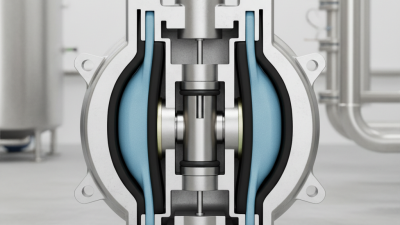
Air diaphragm pumps are versatile devices widely used in various industries. They consist of two flexible diaphragms that move in unison, creating suction and pumping action. One notable advantage is their ability to handle viscous fluids and slurries. According to a recent industry report, air diaphragm pumps can handle solid particles up to 3 inches in diameter, making them ideal for wastewater applications.
Key features to consider include flow rate, pressure, and material construction. Many models offer flow rates from 0.5 to 100 gallons per minute. Additionally, the use of durable materials such as polypropylene or stainless steel impacts longevity. Reliable data indicate that pumps constructed with stainless steel can last up to 12 years with proper maintenance. However, choosing the right material based on your specific application is essential.
Compatibility with your application is another crucial aspect. Some pumps excel in transferring hazardous fluids, while others focus on food-grade materials. There's no one-size-fits-all solution. It’s vital to assess not only the intended medium but also environmental factors, such as temperature and pressure. Ignoring these parameters can lead to equipment failure or inefficient operation.
Assessing Your Application: Flow Rate and Pressure Requirements
Choosing the right air diaphragm pump requires careful consideration of flow rate and pressure.
Flow rate is crucial in determining how much material can be transported. For instance, in applications like chemical transfer, a pump delivering 5 to 10 GPM may suffice.
However, higher flow rates might be necessary for larger operations.
Pressure requirements also play a significant role. Many industries operate under specific pressure conditions. For example, a pump may need to handle up to 100 PSI for efficient operation.
Industry reports suggest that failure to meet these criteria can lead to operational inefficiencies, affecting productivity and safety.
Evaluating your application context is critical. An air diaphragm pump that excels in one application may not perform well in another.
It's essential to analyze each aspect, including materials, viscosity, and the environment. Such thorough assessments ensure that users choose a reliable pump, reducing downtime and maintenance costs.
Materials and Construction: Choosing the Right Pump for Compatibility
When selecting an air diaphragm pump, material compatibility is crucial.
Different liquids can react adversely with certain materials, impacting pump efficiency and lifespan.
For example, pumps made of polypropylene are effective for corrosive fluids, but not for solvents. A study published in the
Journal of Fluid Mechanics indicated that material failure could lead to a
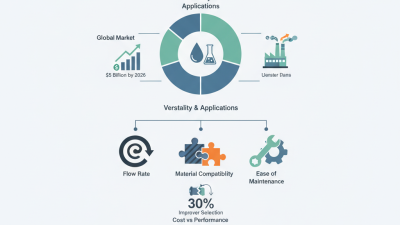
30% decrease in pump performance over time.
Construction also matters.
Pumps that feature a double-diaphragm design often provide better durability.
The American Society of Mechanical Engineers (ASME) reports that these designs minimize leakage and enhance safety.
On the flip side, single-diaphragm options tend to weigh less and are easier to install. Weighing the pros and cons will guide your choice.
Checking certifications like FDA approval
or ANSI/NSF standards ensures the pump meets safety and quality benchmarks.
Ignoring these can lead to severe operational issues. A study from the International Pump User Group showed that improper material selection leads to increased maintenance costs, often amounting to
25% of the original product cost.
Make informed choices to avoid costly mistakes.
Maintenance Considerations: Lifespan and Performance Optimization
When it comes to maintaining an air diaphragm pump, understanding its lifespan and performance optimization is crucial. Regular inspections can help detect wear and tear. Look for signs of damage, such as leaks or unusual noises. These early warnings can prevent more serious problems later on. Failing to address minor issues may lead to complete pump failure.
Lubrication is another key aspect. Proper lubrication reduces friction, ensuring smooth operation. However, over-lubricating can also be detrimental. It may cause excess heat build-up, leading to premature wear. Finding the right balance is essential for extending pump life. Also, consider the pump's operating environment. Dust and contaminants can significantly affect performance. Keeping the area clean can make a notable difference.
Lastly, the choice of materials plays a significant role. Pumps made from high-quality materials tend to last longer. However, not all applications require the same materials. Assessing your specific needs is vital. Regular training on best practices for pump maintenance can enhance performance. Recognizing that maintenance isn't a one-time task is important. It's an ongoing process that requires your attention.
Cost vs. Quality: Analyzing Investment and Total Cost of Ownership
When selecting an air diaphragm pump, balancing cost and quality is crucial. Investing in a high-quality pump can significantly reduce long-term costs. A cheaper option may seem appealing initially, but it could lead to frequent repairs and replacements. Understanding the total cost of ownership is essential for making an informed decision.
Many factors influence the total cost of ownership. Maintenance, efficiency, and pump lifespan play a vital role. A reliable pump often has a higher upfront cost but may require less maintenance. Over time, this can save you both time and money. Additionally, consider energy consumption; more efficient models can minimize operating expenses.
Tips for choosing the right pump include assessing your specific needs and operational environment. Are you pumping corrosive fluids or handling varying pressures? Investigate materials and designs that can withstand your application. It's also wise to read customer reviews. Real experiences can highlight recurring issues. Remember, a lower price might often mask potential pitfalls. Consider the investment carefully and ensure it aligns with both your short-term and long-term goals.