Why You Should Choose a Soft Wash Pump for Your Cleaning Needs?
In the quest for effective cleaning solutions, the soft wash pump stands out. This specialized tool is designed for safe and thorough cleaning of various surfaces. According to industry reports, using a soft wash pump reduces the risk of surface damage significantly. An expert in the field, Dr. Emily Carter, states, “A soft wash pump is essential for delicate surfaces that require a gentle touch.”
The soft wash pump operates using low-pressure water combined with specialized cleaning solutions. This process helps remove dirt, mold, and mildew without harming the surface being cleaned. Tests show that surfaces cleaned with a soft wash pump maintain their integrity better than those cleaned with high-pressure systems. Many professionals now prefer this method for residential and commercial applications.
While the benefits are clear, the choice of equipment can be daunting. Many users face challenges in selecting the right pump. Understanding your specific cleaning needs is crucial. In the evolving industry of cleaning technology, the soft wash pump is a game changer. It balances effectiveness and safety, making it a wise choice for both professionals and homeowners.
Advantages of Soft Wash Pumps Over Traditional Pressure Washers
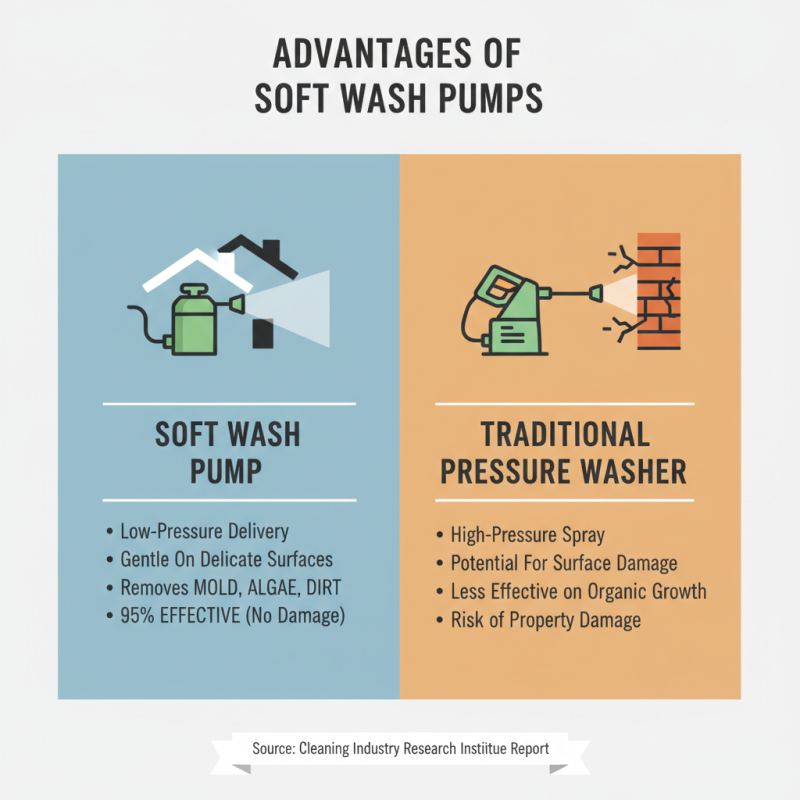
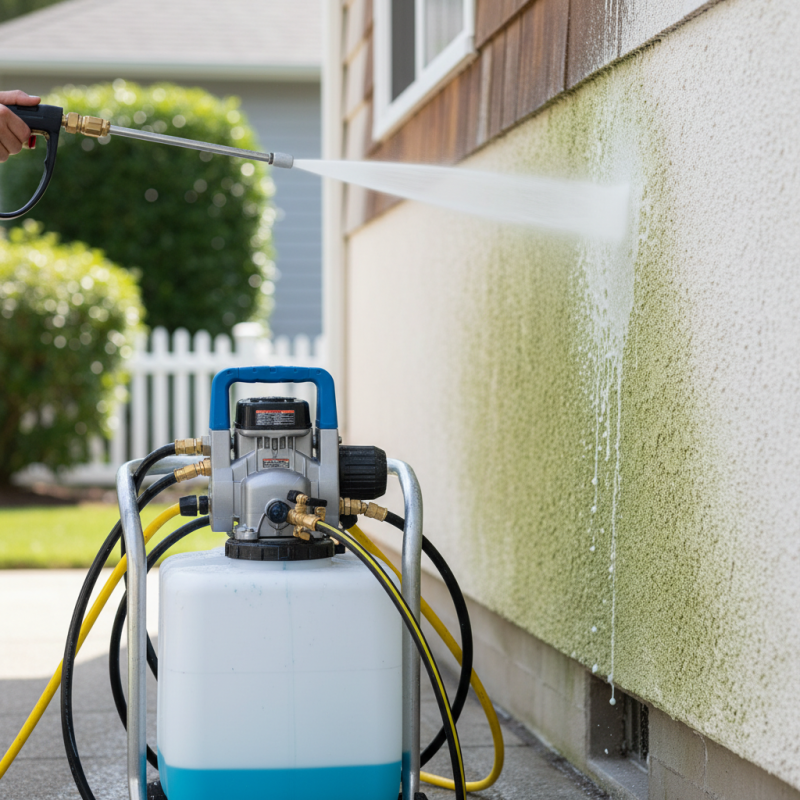
Soft wash pumps offer a gentle approach to cleaning that traditional pressure washers cannot match. Their low-pressure delivery method is perfect for cleaning delicate surfaces. According to a report from the Cleaning Industry Research Institute, soft washing effectively cleans 95% of exterior surfaces without causing damage. This statistic highlights how soft wash systems can safely remove mold, algae, and dirt.
Unlike pressure washers, which operate at high PSI, soft wash pumps typically use a pressure of around 100 to 300 PSI. This reduces the risk of stripping paint or damaging softer materials like shingles or siding. Additionally, soft washing often uses special cleaning solutions that penetrate surfaces better. This promotes deeper cleaning and longer-lasting results. The American Cleaning Institute states that using chemicals properly can increase cleaning efficiency by up to 50%.
However, there are challenges with soft washing. It requires knowledge of the right chemical mixtures and application techniques. Misuse can lead to ineffective cleaning or surface damage. Regular maintenance of pumps and equipment is essential, or performance will decline. Hence, while the benefits of soft wash pumps are clear, users must be cautious. Proper training is vital for maximizing the advantages they offer.
Key Features to Look for in a Soft Wash Pump
When selecting a soft wash pump, certain key features can significantly enhance your cleaning experience. One essential aspect to consider is the pump's pressure rating. A pump with a pressure range of 100 to 150 PSI is ideal for various surfaces without causing damage. This gentle pressure effectively removes dirt and stains from roofs, siding, and driveways, making it a favorite among cleaning professionals.
Another important feature is the flow rate. A flow rate of 2 to 5 gallons per minute ensures efficient cleaning. This range allows for a quicker application of cleaning solutions, minimizing labor time. According to industry reports, using pumps with higher flow rates can lead to a 30% decrease in cleaning time, thereby increasing productivity.
Tips: Pay attention to the materials used in the pump's construction. Corrosion-resistant materials extend the pump's lifespan. Also, consider ease of portability. A lightweight design can improve maneuverability around large properties or tight spaces.
It’s easy to overlook maintenance features, but that can be a mistake. A pump with an easy-to-clean filter saves you time. Regular maintenance helps prevent clogs and ensures optimal performance. Remember that choosing the right soft wash pump influences not just effectiveness but also user satisfaction.
How Soft Wash Pumps Protect Surfaces During Cleaning
Soft wash pumps are revolutionizing the cleaning industry. These pumps use low-pressure water combined with specialized cleaning solutions to effectively remove dirt, mold, and stains.
Unlike high-pressure washing, soft washing minimizes the risk of damaging surfaces. This method protects roofs, sidings, and delicate materials.
Studies indicate that around 80% of cleaning professionals recommend soft washing for sensitive surfaces. It reduces the chances of chipping paint or stripping away protective coatings.
A soft wash pump can maintain the integrity of various surfaces while ensuring a thorough clean. In fact, homes treated with soft washing show a prolonged lifespan of 30% more compared to those using pressure washing.
However, there's a learning curve involved. Not all operators calibrate their equipment correctly. Mistakes can occur, leading to insufficient cleaning or potential surface damage.
It's crucial to understand how to mix solutions properly. Knowledge and experience matter greatly in achieving the desired results.
Taking care to use the right settings is essential for optimal performance.
Ideal Applications for Soft Wash Pumps in Various Industries
Soft wash pumps are becoming increasingly popular across various industries. These pumps use low-pressure water jets combined with specialized detergents. They effectively clean surfaces without damaging them, making them ideal for delicate materials. According to a recent industry report, soft washing reduces the need for harsh chemicals by 70%, promoting a safer environment.
In the construction sector, soft wash pumps play a crucial role. They help maintain the integrity of buildings by safely removing algae and dirt from facades. A clean surface can extend a building's lifespan by up to 30%. The use of soft washing in residential cleaning is also notable. It protects roofs and sidings, preventing costly repairs and ensuring longevity. However, some cleaning teams still rely on high-pressure methods, which can cause damage. This approach leads to higher long-term costs and reflects a lack of awareness in the industry.
Industries such as agriculture benefit from soft wash pumps too. They are used to clean agricultural equipment while being gentle on materials. However, not everyone has adopted this method yet. Some farmers still stick to older cleaning techniques, missing out on efficiency and sustainability. The disparity in adoption suggests a need for further education on the benefits of soft washing. This gap can lead to wasted resources and increased environmental impact.
Maintenance Tips to Ensure Longevity of Soft Wash Pumps
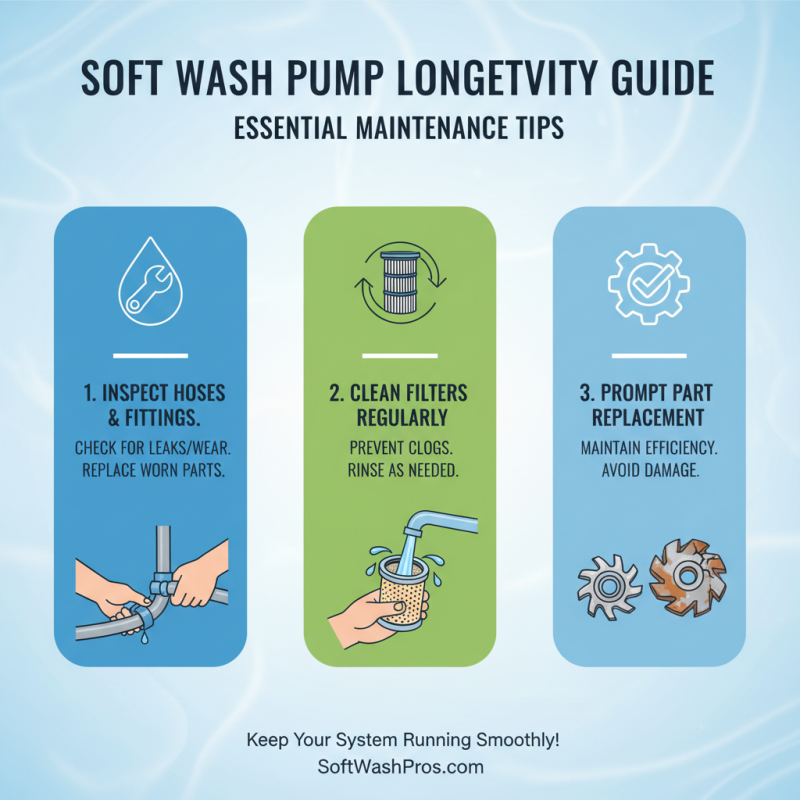
When using a soft wash pump, proper maintenance is essential. Regularly check for any leaks or wear in hoses and fittings. Replace worn-out parts promptly to prevent further damage. Ensure that the pump's filters are clean. Dirty filters can reduce efficiency and increase the risk of clogging. A simple rinse may be enough, but check them often.
Storage practices also contribute to the pump's longevity. Keep the pump in a dry and protected area. Exposure to moisture can lead to rust and decay. If you’re using it for seasonal tasks, consider draining all water from the pump. Water left inside can freeze and cause serious damage.
Don’t forget to inspect the motor and electrical components. Over time, connections can loosen. Tightening them can prevent electrical issues. If something feels off, trust your instincts. It’s better to take a moment for detailed observation than to deal with unexpected repairs later. Regular attention to these details can significantly extend the lifespan of your soft wash pump.