Why Choose a Diaphragm Pump for Your Fluid Transfer Needs?
Choosing the right pump for fluid transfer can be daunting. Experts often recommend specific types based on various needs. Mike Andrews, a leading authority in the diaphragm pump industry, once stated, "Diaphragm pumps are versatile, making them ideal for many applications."
A diaphragm pump stands out in reliability and performance. These pumps handle viscous fluids and slurries with ease. They minimize the risk of leaks and contamination. Additionally, they provide excellent suction capabilities, which can be crucial in certain situations. Many industries, like food and pharmaceuticals, depend on the quality and precision of their fluid handling.
However, using a diaphragm pump requires careful consideration. Not all designs are optimal for every situation. Sometimes, maintaining them can be complex. It's essential to evaluate your specific needs and constraints before deciding. Investing time in research can lead to better choices that meet your operational goals.
Benefits of Diaphragm Pumps in Fluid Transfer Applications
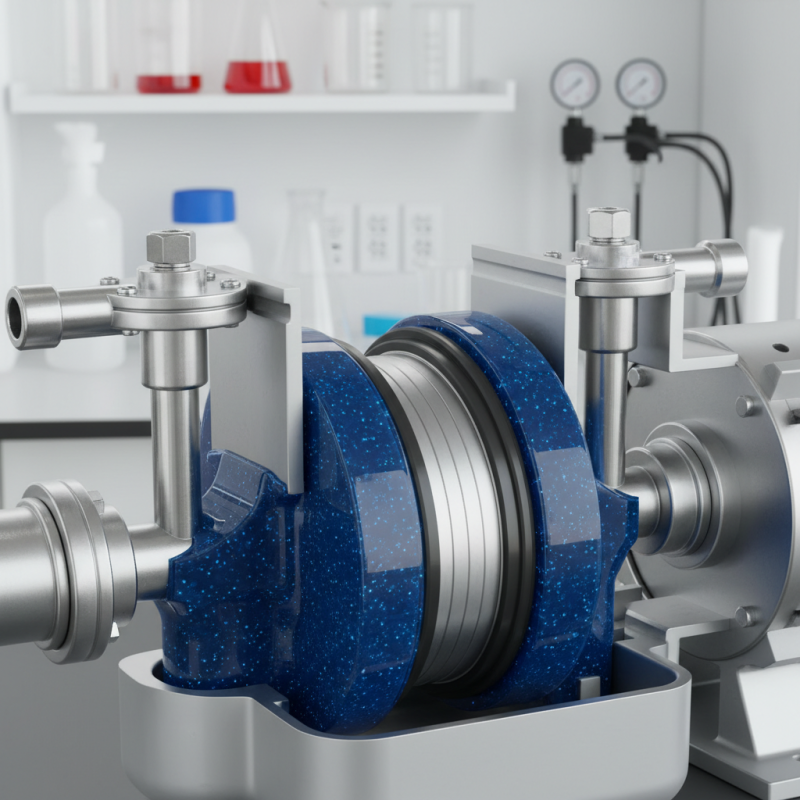
Diaphragm pumps are gaining popularity for fluid transfer. They excel in handling corrosive and abrasive materials. Their design allows for a positive displacement, ensuring precise fluid movement. This means less spillage and waste during operations. For businesses, that can translate to significant cost savings.
One major benefit is their self-priming capability. They can operate with minimal maintenance, which reduces downtime. Users appreciate their versatility. Whether for food processing or chemical transfer, they meet diverse needs. However, it's important to consider potential limitations, such as flow rate restrictions.
Another aspect is their ability to manage viscous fluids effectively. This quality makes them suitable for many industrial applications. Yet, the complexity of setup can be a hurdle for some. Users may need time to adjust to the operation of these pumps, which can be frustrating. Nonetheless, when properly utilized, diaphragm pumps offer a reliable and efficient solution for fluid transfer needs.
Why Choose a Diaphragm Pump for Your Fluid Transfer Needs?
| Feature |
Description |
Benefits |
| Self-Priming |
Diaphragm pumps can draw fluid without needing a priming system. |
Reduced installation complexity and increased efficiency. |
| Leak-Free Operation |
Designed to prevent leaks by sealing the fluid and the external environment. |
Enhanced safety and reduced environmental impact. |
| Versatile Media Handling |
Can handle various fluid types, including corrosive and viscous liquids. |
Wide range of applications in different industries. |
| Low Maintenance |
Fewer moving parts compared to other pump types. |
Reduced downtime and lower operational costs. |
| Adjustable Flow Rate |
Flow rate can be adjusted depending on application needs. |
Greater flexibility in fluid transfer processes. |
Key Features That Make Diaphragm Pumps Stand Out
Diaphragm pumps are increasingly popular in fluid transfer applications. Their unique design offers several key features that enhance performance. One significant advantage is their ability to handle viscous fluids and slurries efficiently. According to a market research report by Grand View Research, the global diaphragm pump market was valued at 4.3 billion USD in 2022 and is expected to grow significantly. This growth highlights their importance across industries like chemical processing and wastewater management.
One reason diaphragm pumps stand out is their self-priming capability. This feature allows them to operate effectively without additional priming equipment. They can run dry without damage, which reduces downtime and maintenance costs. However, users must be mindful of the pump's limitations on pressure and fluid temperature. In some cases, higher temperatures can affect the diaphragm material, leading to reduced efficiency.
Diaphragm pumps also excel in accuracy. They provide precise flow control, which is vital for many applications. A study from Research and Markets noted that the accuracy of fluid transfer can impact product quality significantly in sectors like food and beverage. Yet, users must regularly calibrate pumps to maintain this accuracy, reflecting the need for continuous monitoring and adjustment.
Comparative Analysis: Diaphragm Pumps vs. Other Pump Types
When considering fluid transfer, diaphragm pumps offer unique advantages over other types. They excel in handling abrasive and viscous fluids. Their ability to run dry without damage is also significant. In comparison, centrifugal pumps may struggle with such conditions and can require additional maintenance. Positive displacement pumps can be more complicated to operate, while diaphragm pumps are often easier to manage.
Tip: Always inspect your diaphragm pump regularly. Small wear and tear can lead to major issues later on. Regular maintenance is essential. Keep an eye on the diaphragm's condition; they can degrade over time.
Another notable feature of diaphragm pumps is their efficiency in transferring liquids without contamination. In sterile applications, this is crucial. Other pumps might introduce risk through seals and fittings. This advantage makes diaphragm pumps preferred in pharmaceuticals and food processing.
Tip: Ensure proper installation for optimal performance. Misalignment can lead to vibration and reduced efficiency. Check alignment after installation and during routine maintenance.
Common Applications of Diaphragm Pumps in Various Industries
Diaphragm pumps are versatile tools used across various industries. In the food and beverage sector, they handle fluids delicately. These pumps ensure safe transfer of sensitive materials without contamination. For example, they can manage syrup, juices, and even cleaning solutions. Their ability to maintain hygiene is crucial here.
In the chemical industry, diaphragm pumps efficiently transfer hazardous materials. They can handle corrosive liquids without risk of leakage. However, it’s essential to choose the right materials. A mismatch can lead to pump failure. Additionally, in wastewater treatment, these pumps manage sludge and other viscous materials effectively. Their operation can be less than perfect occasionally, leading to blockages.
In construction, diaphragm pumps are vital for moving slurry and cement. They can operate in tough environments. Yet, they may need regular maintenance to ensure performance. Overall, while diaphragm pumps offer numerous advantages, attention to detail in application and maintenance is key.
Common Applications of Diaphragm Pumps in Various Industries
Maintenance Tips for Ensuring Optimal Performance of Diaphragm Pumps
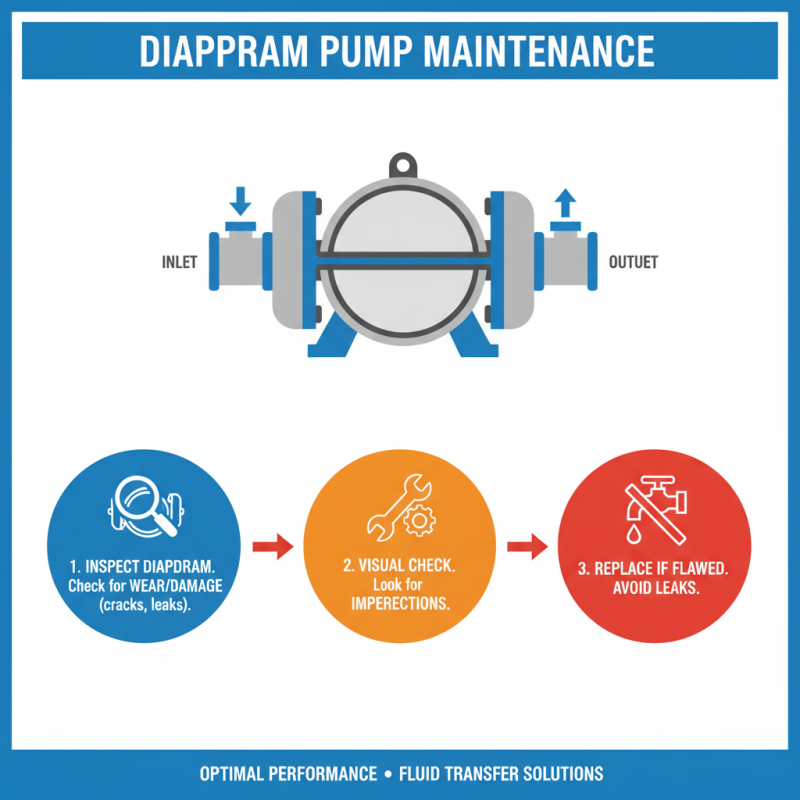
Diaphragm pumps are crucial for various fluid transfer needs. To ensure their optimal performance, regular maintenance is essential. Start by inspecting the diaphragm for any signs of wear or damage. A simple visual check can reveal cracks or tears that may compromise performance. If you notice any imperfections, it’s time for a replacement. Ignoring these signs could lead to leaks.
Cleaning the pump regularly is also vital. Dust and debris can accumulate, affecting efficiency. Use a mild detergent with water to clean the external parts. Ensure all components are dried thoroughly before reassembly. Don't forget to check the valves, as they can get stuck or clogged. A little preventive action can save significant time and costs later.
Keep an eye on the pump’s operating environment too. High temperatures or corrosive substances can lead to faster deterioration. It’s often easy to overlook these factors. Monitoring conditions may feel tedious, but it pays off in the long run. A proactive approach leads to fewer unexpected failures and smoother operation.