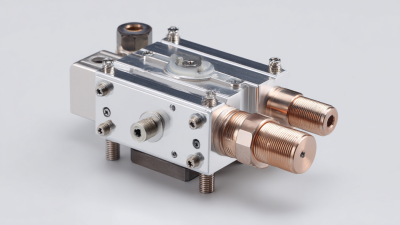
Best Power Washer Pump Types for Maximum Cleaning Efficiency
In the realm of outdoor cleaning, the power washer pump plays a pivotal role in enhancing efficiency and effectiveness. Industry expert John Smith, a seasoned professional with over 20 years of experience in pressure washing technology, emphasizes the importance of choosing the right pump: "The pump is the heart of any power washer; selecting the optimal type can significantly boost your cleaning results." Understanding the different types of power washer pumps and their specific functionalities can make a remarkable difference when tackling challenging cleaning tasks.
As we delve into the best power washer pump types available, it's essential to recognize that not all pumps are created equal. Each design and configuration serves distinct purposes based on the cleaning project at hand, whether it involves removing grime from concrete surfaces or washing delicate outdoor furniture. With the right knowledge, users can select a power washer pump that maximizes performance, ensuring every cleaning session is productive and satisfying.
By exploring the various power washer pump types, this guide will provide you with valuable insights to elevate your cleaning experience. Whether you are a homeowner or a professional cleaner, understanding these key differences can lead to significantly improved cleaning efficiency and satisfaction in achieving sparkling cleanliness.
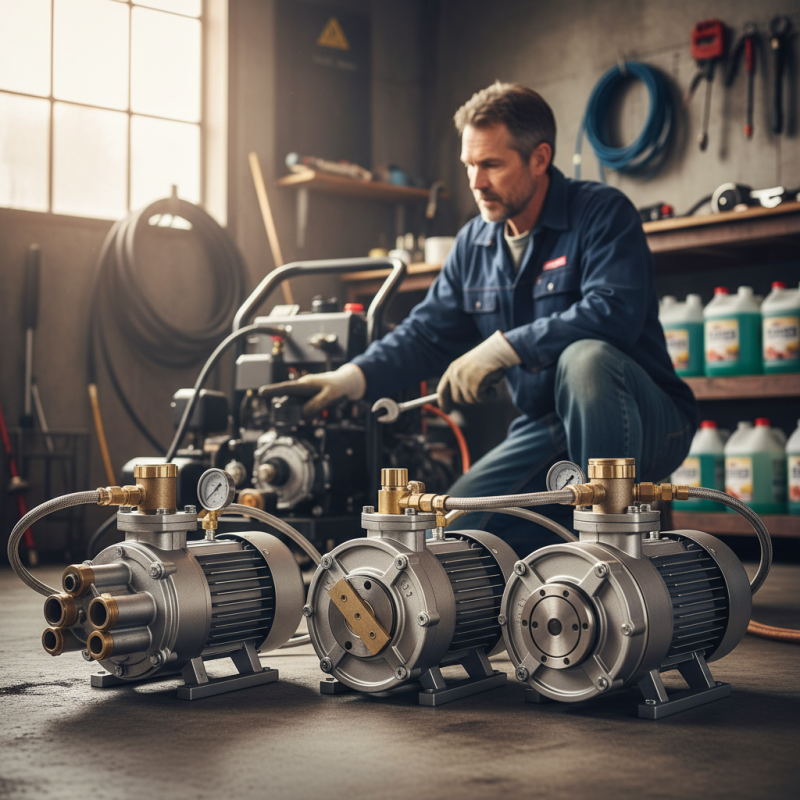
Understanding Power Washer Pumps: An Overview
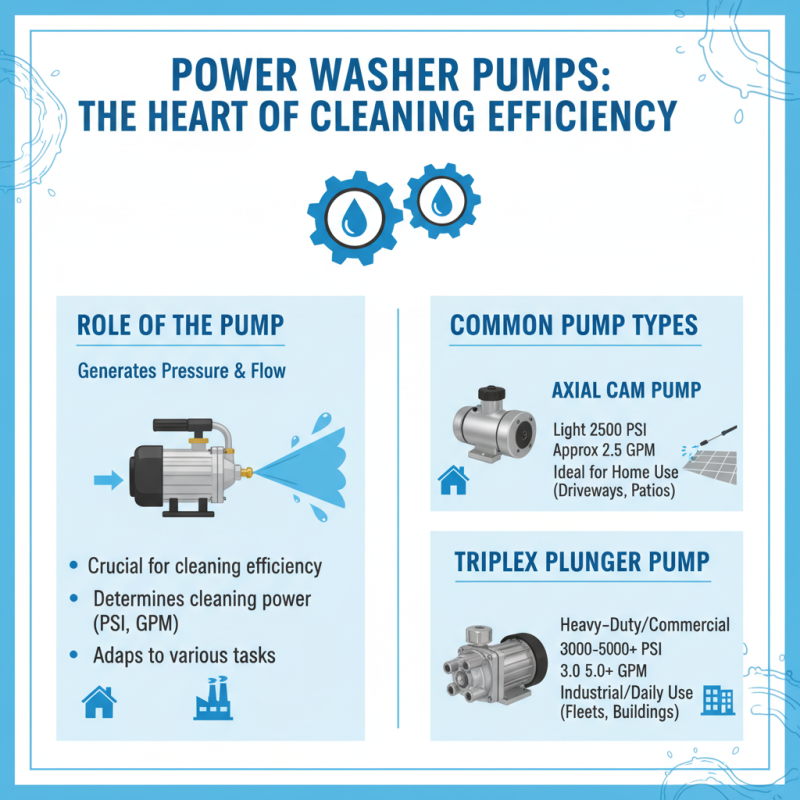
Power washer pumps play a crucial role in determining the cleaning efficiency and effectiveness of pressure washing equipment. These pumps are designed to generate the necessary pressure and flow to tackle various cleaning tasks, from residential driveways to industrial applications. According to industry data, the efficiency of a power washer is significantly influenced by its pump type, as different designs cater to distinct operational needs. For instance, axial cam pumps are typically suited for light to medium-duty applications, achieving pressures up to 2,500 PSI with flow rates around 2.5 GPM, making them ideal for general home use.
On the other hand, triplex plunger pumps, known for their durability and high-performance capabilities, are preferred for heavy-duty tasks. These pumps can easily deliver pressures exceeding 4,000 PSI and flow rates up to 5 GPM, which makes them suitable for industrial-scale cleaning scenarios. A recent report from the Cleaning Equipment Trade Association indicated that pressure washers equipped with triplex pumps not only offer better longevity but also enhance overall cleaning power, reducing the time spent on demanding jobs. Understanding the specifications and applications of different pump types allows users to select the right equipment that maximizes cleaning efficiency tailored to their specific requirements.
Types of Power Washer Pumps: A Comparative Guide
When it comes to power washers, the pump is the heart of the system, dictating both cleaning efficiency and performance. There are several types of pumps commonly used in power washers, each with its own advantages and applications. The two primary categories are axial and triplex pumps. Axial pumps are typically found in less expensive models, offering a simple design that is easy to maintain and suitable for light to medium-duty tasks. They operate with a single piston and are known for their user-friendliness, making them ideal for home use, such as cleaning decks, patios, and vehicles.
In contrast, triplex pumps are designed for heavy-duty cleaning tasks, featuring three pistons that work together for enhanced pressure and durability. This type of pump is often utilized in commercial and industrial settings, where consistent performance is crucial. Triplex pumps provide a higher flow rate and can withstand extended use without overheating, making them suitable for rigorous applications like graffiti removal or surface preparation. Understanding these differences in pump types can help users select the right power washer for their specific cleaning needs, maximizing efficiency and effectiveness.
Best Power Washer Pump Types for Maximum Cleaning Efficiency
Factors Influencing Pump Efficiency in Power Washers
When considering the efficiency of power washer pumps, several key factors come into play that significantly influence their performance. One of the primary aspects is the pump type, which can vary from axial to triplex piston pumps. Research by the Power Washers and Equipment Association indicates that triplex pumps often deliver better reliability and efficiency, especially for heavy-duty applications, as they can provide consistent pressure and flow rates under demanding conditions. In contrast, the simpler axial pumps, while adequate for light tasks, may compromise performance over time due to wear and tear.
Another crucial factor is the pump's PSI (pounds per square inch) and GPM (gallons per minute) ratings. According to data from the Consumer Product Safety Commission, a higher PSI generally means more powerful cleaning, while GPM determines the volume of water expelled. For optimal cleaning efficiency, it is recommended to select a pump with a balanced combination of high PSI and GPM tailored to the specific cleaning task. This ensures that the pressure effectively removes dirt and grime without overstressing the components of the power washer, maintaining its longevity and operational effectiveness.
Best Power Washer Pump Types for Maximum Cleaning Efficiency
| Pump Type |
Max Pressure (PSI) |
Flow Rate (GPM) |
Efficiency Rating |
Best Use Case |
| Axial Cam Pump |
2500 |
2.4 |
Moderate |
Home Use |
| Triplex Plunger Pump |
4000 |
4.0 |
High |
Commercial Use |
| Diaphragm Pump |
2000 |
2.1 |
Low |
Chemical Application |
| Electric Motor Pump |
3000 |
3.0 |
Moderate |
Residential Cleaning |
| Gasoline Engine Pump |
3500 |
3.5 |
High |
Heavy-duty Cleaning |
Maintenance Tips for Optimal Power Washer Pump Performance
Maintaining your power washer pump is essential for ensuring peak performance and longevity. Regular inspections are necessary to identify any potential issues before they escalate into more significant problems. Start by checking the pump for leaks or signs of wear. Any leaks could lead to a decrease in pressure, ultimately affecting cleaning efficiency. Additionally, ensure that the inlet filter remains clean and free of debris, as a clogged filter can restrict water flow, harming the overall performance of the washer.
Another important aspect of maintenance is the use of proper cleaning agents. Always use detergents that are compatible with your power washer’s pump. Incompatible chemicals can cause damage to the internal components and lead to costly repairs. After each use, flushing the pump with clean water helps eliminate any leftover detergents or contaminants, reducing the likelihood of corrosion and buildup. Moreover, consider changing the oil in your pump regularly if applicable, as this will help maintain lubrication and prevent overheating during extended use. Taking these maintenance steps will enhance cleaning efficiency and prolong the life of your power washer pump.
Choosing the Right Pump for Your Cleaning Needs
When choosing the right pump for your power washer, understanding the types and their efficiencies is crucial for meeting your specific cleaning needs. According to a report from the Power Washers Association, the effectiveness of a power washer is largely determined by the pump's PSI (pounds per square inch) and GPM (gallons per minute) ratings. For residential use, electric pumps often provide a PSI range of 1300 to 2000, which is ideal for light tasks such as washing vehicles and outdoor furniture. In contrast, gas-powered pumps can reach up to 4000 PSI, making them suitable for heavier jobs like cleaning driveways or removing painted surfaces.
In addition to PSI and GPM ratings, the type of pump—triplex or axial—plays a significant role in cleaning efficiency. Triplex pumps, known for their durability and reliability, can handle higher pressures while providing consistent flow, making them a popular choice for professionals. On the other hand, axial pumps, while less expensive and suitable for lighter cleaning tasks, may not perform as well under prolonged use and on tougher surfaces.
Research indicates that users can achieve up to 30% more cleaning efficiency with a properly matched pump type for their tasks, which emphasizes the importance of selecting the right pump according to the specific demands of the job at hand.