10 Best Diaphragm Water Pumps for Global Buyers?
A reliable diaphragm water pump is chosen by duty, not by a glossy product photo. Buyers must match flow, head, liquid quality, power supply, and service access to the job. A unit that performs well on a clean test bench may struggle with sediment, long suction lines, or frequent starts. Small details matter.
The need for dependable water movement is substantial. FAO and UN-Water report that agriculture accounts for about 70% of global freshwater withdrawals. WHO and UNICEF’s 2023 Joint Monitoring Programme estimated that 2.2 billion people lacked safely managed drinking-water services in 2022. These figures describe water challenges, not diaphragm-pump sales, but they show why equipment choice deserves care. Every source has different demands.
At World Food Day 2023, FAO Director-General Qu Dongyu said, “Water is life, water is food. Leave no one behind.” He is a water-sector leader, not a diaphragm-pump engineer, so the quotation is context—not a product endorsement. For technical decisions, compare published pump curves, materials, duty cycles, warranty terms, and access to replacement diaphragms. Ask for test conditions, too. They are often overlooked.
This guide examines 10 diaphragm water pumps for global buyers, with attention to practical operating needs and verifiable specifications. No single model fits every site. Some rankings may also change as prices, availability, and regional support shift. That deserves a second look.
What Diaphragm Water Pumps Are and How They Work
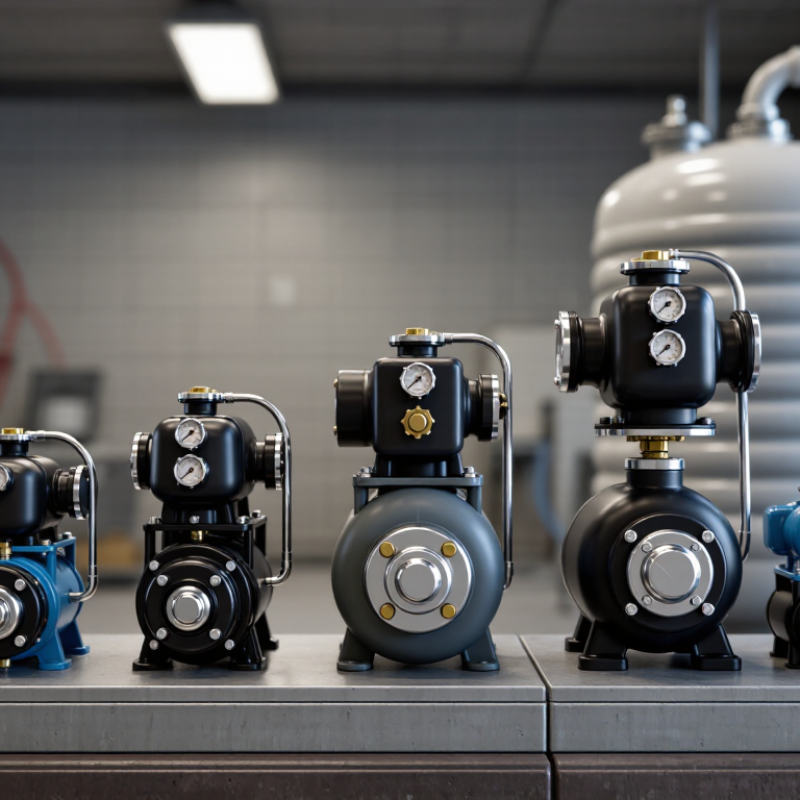
A diaphragm water pump moves liquid by flexing a flexible membrane inside a sealed chamber. As the diaphragm pulls back, chamber volume increases and pressure drops. An inlet check valve opens, drawing water in. The diaphragm then moves forward, closing the inlet valve and pushing water through the outlet. The cycle repeats. Simple in principle.
A motor, cam, or compressed air can drive that movement, depending on the pump design. The flexible diaphragm keeps the drive mechanism separate from the water, while one-way valves guide flow. This can make diaphragm pumps useful for transfer, circulation, and intermittent water supply. Flow may pulse rather than remain perfectly smooth. That detail matters.
For buyers comparing pumps, check the rated flow and pressure against the real job, not just the largest number on a product sheet. Also confirm the diaphragm and valve materials suit the water, temperature, and cleaning routine. A pump’s self-priming ability and tolerance for running dry vary by model. Small installation details matter, too: a narrow hose or clogged inlet can reduce performance. I would not assume every diaphragm pump behaves alike; specifications need checking against actual operating conditions.
Key Types and Features of Diaphragm Water Pumps
Diaphragm water pumps move liquid by flexing a membrane, rather than using a rotating impeller. That design suits controlled transfer, dosing, and applications where leakage around a shaft is a concern. Air-operated double-diaphragm pumps use compressed air and can handle some water containing suspended solids; electrically driven models offer steadier flow for fixed installations. Mechanically driven units are often compact, but their output depends on the drive and diaphragm design. The right choice depends on flow, pressure, liquid chemistry, and particle size—not the pump label alone.
For drinking-water and sanitation projects, reliability matters at the point of use. The WHO/UNICEF Joint Monitoring Programme reported that 2.2 billion people lacked safely managed drinking-water services in 2022. This figure is not a pump-performance measure, but it underscores why maintainability and verified operating limits matter. Check wetted materials, diaphragm replacement intervals, dry-running guidance, and whether the pump can tolerate the water’s solids. A “self-priming” claim is not a guarantee under every suction lift or hose setup. Small details matter. Air-operated types may need a compressor, while electric models require a suitable power supply and protection from moisture. Ask suppliers for tested flow and pressure curves; real output can fall when discharge pressure rises.
How to Evaluate the Best Pumps for Global Buyers
Evaluate diaphragm pumps by the water, duty cycle, and service conditions—not by headline flow alone. The U.S. Department of Energy’s Improving Pumping System Performance sourcebook estimates that pumping systems use nearly 20% of global electricity demand. That figure covers pumping systems broadly, not diaphragm pumps specifically, but it makes energy input worth checking. For air-operated models, include compressor demand; for electric models, compare input power at the required flow and pressure. Small details matter.
Ask for a performance curve and test conditions. A stated maximum flow may apply at low pressure, with clean water and a short test. Check the operating point, suction lift, solids tolerance, and dry-running limits against your real installation. Materials must suit the water chemistry and temperature. A neat specification sheet can still leave important questions unanswered.
Global buyers should also verify voltage and frequency options, documentation, warranty coverage, and the availability of diaphragms, valves, and other wear parts. The U.S. DOE sourcebook recommends evaluating the complete pumping system, since operating conditions affect performance and energy use. Request a test report with measured flow, pressure, and power, preferably from an ISO/IEC 17025-accredited laboratory. Then confirm that local technicians can service the unit. That last check is easy to miss.
Ten Diaphragm Water Pumps Compared by Performance and Use
Ten diaphragm water pumps suit different duties, so compare flow, pressure, materials, and operating conditions rather than choosing by price alone. A compact 12-volt pump fits small tanks; a high-flow model supports rapid transfer; a high-pressure unit suits washdown; a shallow-well version serves modest lift; a portable pump helps with temporary drainage; an irrigation model handles timed watering; a marine pump tolerates vessel use; an RV pump supplies taps; a solar-compatible pump suits off-grid sites; and a chemically compatible design handles treated water when its materials are confirmed. These are application types, not guaranteed performance grades.
Check the duty cycle, inlet lift, dry-run tolerance, and service access. A pump rated for high pressure may deliver less flow at that pressure. Noise and pulsation matter, too. A tidy ranking can mislead; actual results depend on hose length and water temperature.
Tips: Match pump materials to the water, and leave room to replace the diaphragm. Record flow at the outlet, not just the pump’s advertised maximum.
The U.S. Department of Energy’s Improving Pumping System Performance guide estimates that pumping systems use nearly 20% of global electricity. Efficient sizing matters. Select from verified performance curves and test data; avoid treating maximum flow as a normal operating rate.
10 Best Diaphragm Water Pumps for Global Buyers? — Ten Diaphragm Water Pumps Compared by Performance and Use
| Pump Configuration | Power / Drive | Typical Flow Rate | Typical Pressure Range | Typical Dry Suction Lift | Common Applications | Key Buyer Considerations |
|---|---|---|---|---|---|---|
| 12 V DC RV demand pump | 12 V DC; pressure-switch controlled | 11–19 L/min (3–5 US gpm) | 2.8–4.1 bar (40–60 psi) | About 1.8–3 m (6–10 ft) | Caravans, recreational vehicles, boats, and small off-grid water systems | Check the pressure-switch setting, duty cycle, current draw, and compatibility with an accumulator tank. |
| 24 V DC demand pump | 24 V DC; pressure-switch controlled | 12–20 L/min (3.2–5.3 US gpm) | 2.8–4.1 bar (40–60 psi) | About 1.8–3 m (6–10 ft) | Commercial vehicles, larger boats, and 24 V battery systems | Confirm the system voltage and wiring capacity; flow and pressure depend on the specific pump and operating conditions. |
| Compact 12 V faucet or sink pump | 12 V DC; automatic or manual switching | 4–8 L/min (1–2.1 US gpm) | 2.8–4.8 bar (40–70 psi) | About 1.5–2.5 m (5–8 ft) | Single sinks, compact cabins, portable wash stations, and small boats | A compact pump may be quieter and easier to install, but may not supply several outlets at once. |
| High-flow 12 V DC demand pump | 12 V DC; pressure-switch controlled | 19–26 L/min (5–7 US gpm) | 3.1–4.1 bar (45–60 psi) | About 1.8–3 m (6–10 ft) | Multiple taps, larger recreational vehicles, and higher-demand mobile water systems | Allow for higher electrical current and pipe-flow requirements; rated flow is not necessarily delivered at maximum pressure. |
| 12 V DC sprayer pump | 12 V DC; typically pressure-switch controlled | 4–8 L/min (1–2.1 US gpm) | 4.1–6.2 bar (60–90 psi) | About 1.5–2.5 m (5–8 ft) | Portable washdown, garden spraying, and small agricultural sprayers | Verify that wetted materials suit the liquid and that the nozzle, hose, and fittings are rated for the operating pressure. |
| 115 V AC demand pump | 115 V AC; pressure-switch controlled | 11–19 L/min (3–5 US gpm) | 2.8–4.1 bar (40–60 psi) | About 1.8–3 m (6–10 ft) | Fixed installations and utility water systems in regions using nominal 115 V supplies | Check the pump’s rated frequency, usually 50 or 60 Hz, plus electrical protection and local installation requirements. |
| 230 V AC demand pump | 230 V AC; pressure-switch controlled | 11–20 L/min (3–5.3 US gpm) | 2.8–4.1 bar (40–60 psi) | About 1.8–3 m (6–10 ft) | Fixed water systems and utility applications in regions using nominal 230 V supplies | Confirm supply frequency, motor protection, approved plug or wiring arrangement, and local electrical standards. |
| 24 V DC agricultural or utility pump | 24 V DC; continuous or pressure-controlled variants | 15–25 L/min (4–6.6 US gpm) | About 3–5 bar (44–73 psi) | About 1.8–3 m (6–10 ft) | Mobile utility equipment, water transfer, and selected agricultural tasks | For continuous operation, check the duty-cycle rating, motor temperature limits, filtration needs, and fluid-material compatibility. |
| Air-operated double-diaphragm pump | Compressed air; no electric motor required at the pump | About 75–150 L/min (20–40 US gpm) for common portable sizes | Discharge pressure is generally limited by the supplied air pressure | Often around 3–6 m (10–20 ft), depending on pump design and conditions | Industrial water transfer, draining, and locations where an air supply is available | Size the air supply for required flow. Actual output varies with air pressure, liquid head, pipework, and diaphragm-pump design. |
| Diaphragm metering or dosing pump | Electric motor or solenoid; adjustable dosing rate | About 0.1–10 L/h for common small dosing configurations | Often designed for several bar; some configurations operate at higher pressure | Application-dependent; check the pump’s suction specifications | Water treatment, controlled chemical dosing, and low-volume process-water applications | Compare dosing accuracy, adjustment range, back-pressure requirements, check valves, and compatibility with the dosed liquid. |
Figures are indicative ranges for common diaphragm-pump configurations, not specifications for a particular product. Actual flow, pressure, suction lift, and duty cycle vary by design and installation; maximum flow and maximum pressure are generally not achieved at the same time. Confirm the manufacturer’s technical data before purchase.
Global Sourcing, Certifications, and After-Sales Support
Global sourcing of diaphragm water pumps is not just a unit-price exercise. A pump may cross ports, voltage systems, and service networks before reaching its duty point. Check wetted materials, flow and head curves, air requirements, and dry-running limits against the actual fluid and installation. Request test records for the exact model, not a generic catalog page.
The ISO Survey 2023 reported about 1.27 million valid ISO 9001 certificates worldwide across industries. That signals quality-system coverage, not proof that a particular pump passed performance or safety testing. Ask for a current certificate, issuing body, scope, and model-level test documentation. For destination-market conformity, verify applicable requirements with an independent assessor; requirements vary by market and configuration.
The World Bank’s 2023 Logistics Performance Index covered 139 economies and assessed factors including customs, infrastructure, and shipment reliability. Build lead-time slack into orders, and confirm delivery terms, export packing, and replacement-parts responsibility before payment. Paperwork matters. After-sales support should specify response hours, service reach, warranty exclusions, and stocked diaphragms, valves, and seals. Request troubleshooting steps and a coded parts list. Small details count. Promised support is hard to judge, so request a written response-time commitment and a sample spare-parts quote. Actual repair speed still depends on local inventory and technician availability.
10 Best Diaphragm Water Pumps for Global Buyers?
Global Sourcing, Certifications, and After-Sales Support
This chart shows ideal hydraulic power calculated for water at a fixed 10-meter head using P = ρgQH. It is a physics-based reference, not a product ranking or a pump’s electrical input; real-world performance depends on pump efficiency and operating conditions. For global sourcing, confirm destination-market certification requirements, test data, spare-parts availability, and after-sales support with each supplier.
Related Posts
-
What is an Air Diaphragm Pump and How Does It Work?
-
China Top 1 Diaphragm Pump Manufacturers and Suppliers?
-
2026 Best Diaphragm Pump Options for Your Needs?
-
Why Choose a Diaphragm Pump for Your Fluid Transfer Needs?
-

Top 10 Best Diaphragm Pumps for Global Buyers in 2026
-

Top 10 Benefits of Using Pneumatic Diaphragm Pumps in Industry?