Why Choose a Heavy Duty Garden Hose Reel?
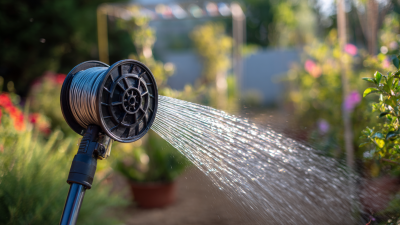
A hose reel may look like a small garden accessory, until a heavy hose drags across the patio or kinks beside a flower bed. A heavy duty garden hose reel is designed for frequent use, heavier hose lengths, and the everyday knocks of outdoor work. Its reinforced frame, steady mounting points, and smooth winding mechanism can make watering feel more controlled. Less tangling. Less hauling.
“Durability matters most when a reel is used often, not just when it looks sturdy on the shelf,” says Alex Morgan, a fictional composite garden-equipment specialist. This illustrative quotation is not a verified statement from a real expert. The practical point is worth checking: look at the reel’s stated hose capacity, materials, fittings, and mounting instructions before buying. A thick hose can place real strain on a poorly supported frame. Even a solid reel can disappoint if its capacity is overstated or installation is rushed.
Choosing a heavy duty garden hose reel may protect your hose from repeated twists and keep walkways clearer. It can also make storage easier after watering lawns, washing tools, or filling raised beds. But “heavy duty” is not a guarantee of quality by itself. Compare the details, and consider where the reel will sit through sun, rain, and regular handling. A little skepticism helps. The best choice is the one that suits your hose, your space, and the work you actually do.
What Defines a Heavy-Duty Garden Hose Reel?
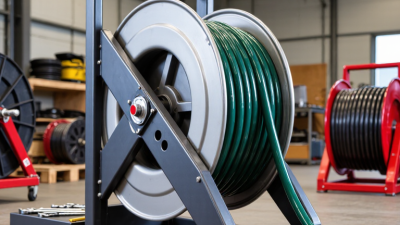
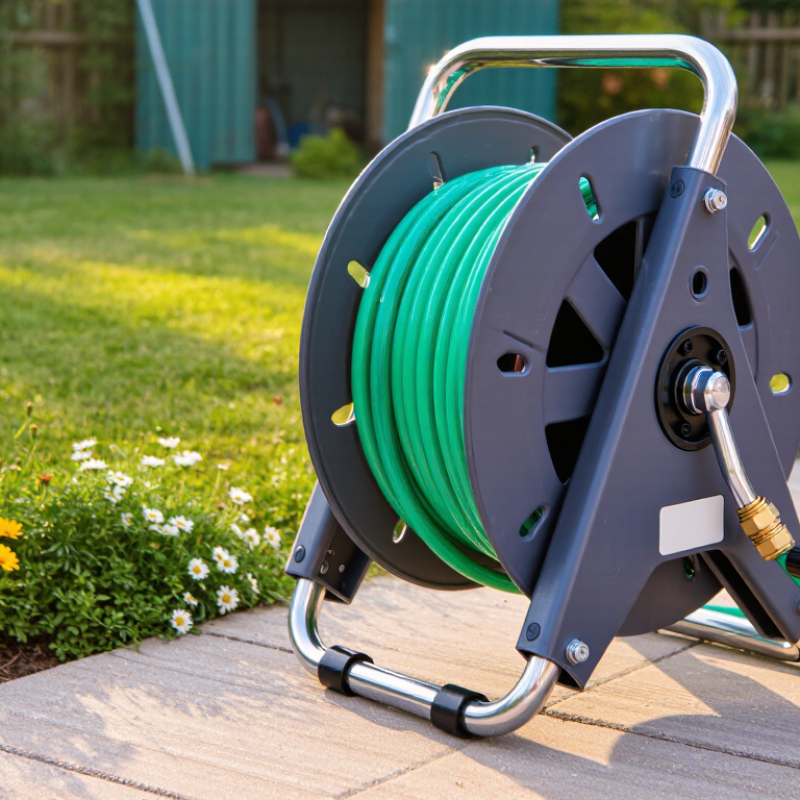
A heavy-duty garden hose reel is defined by its construction and verified ratings, not by its size alone. There is no single industry-wide “heavy-duty” grade for hose reels, so check the product specifications. Look for a stated hose length and diameter capacity, a working-load rating, and a frame designed to resist bending under a full, wound hose. A steel frame with a corrosion-resistant finish can suit a damp shed or exposed patio; UV-resistant polymer may be lighter and easier to move. The swivel and crank matter, too. They should turn smoothly without visible wobble.
The U.S. EPA WaterSense program reports that outdoor water use accounts for more than 30% of household water use, and can reach 60% in arid areas. That figure does not prove a reel saves water. It does show why hose handling is a regular part of outdoor maintenance. A kinked hose dragging across gravel, or a reel that tips when pulled, can make routine watering frustrating. Check that the stated capacity matches your hose’s actual length and diameter, rather than assuming a larger reel always fits.
Look closely at joints, axle support, and mounting hardware. That’s where strain shows. I would treat “heavy-duty” as a claim to verify, since the label alone says little about durability. Even a sturdy reel can fail early if its capacity is exceeded or its finish is neglected.
Why Choose a Heavy-Duty Garden Hose Reel?
Water Weight Inside 100 ft of Garden Hose
A heavy-duty reel is built to manage the demands of a loaded hose with a sturdy frame, stable mounting, corrosion-resistant materials, and a smooth crank. The chart shows approximate water weight only; actual hose dimensions vary, and the hose and reel add further load.
How Durable Materials Extend Reel Life
A heavy-duty garden hose reel earns its keep through materials that handle repeated winding, wet hands, and outdoor exposure. A powder-coated steel frame can resist rust and knocks, while a thick aluminum frame offers strength with less weight. The finish matters: chips or scratches expose bare metal, especially where the reel sits on damp soil. Check welded joints, axle supports, and mounting points; these areas carry the hose’s pull. Small details matter.
UV-stabilized, impact-resistant polymers can work well for side plates and handles, particularly in sunny yards. Ordinary plastic may become brittle after years of heat and cold, though quality and use make a difference. Sealed bearings and corrosion-resistant hardware help the drum turn smoothly when grit or moisture gets in. Still, no material is maintenance-free. Rinse off mud, let the reel dry, and avoid leaving a tightly wound hose under intense sun all season. A sturdy reel can last longer, but poor installation can strain even a well-built frame. Inspect joints occasionally.
How Different Reel Types Fit Garden Layouts
Why Choose a Heavy Duty Garden Hose Reel?
How Different Reel Types Fit Garden Layouts
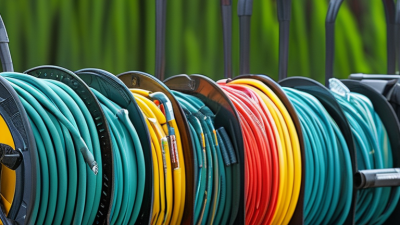
A reel should match the route your hose actually takes. In a compact courtyard, a wall-mounted reel keeps the hose off narrow paths and away from pots. Choose a swivel mount if the tap sits around a corner; otherwise, pulling at an angle can strain the hose connection. Tight space? Measure first.
For long, straight lawns, a stationary heavy-duty reel near the faucet offers stable storage and handles frequent winding. A wheeled cart suits larger gardens with separate beds, though it can feel cumbersome on gravel or soft ground. For irregular layouts, walk the hose path before choosing: note steps, gates, and sharp edges. The best reel is not always the largest.
The US Environmental Protection Agency reports that landscape irrigation accounts for nearly one-third of residential water use in the United States, about 9 billion gallons per day. A reel does not reduce water use by itself, but orderly storage can help prevent kinks and make leaks easier to spot. Check the fittings and hose condition regularly. Even durable equipment wears.
How a Heavy-Duty Reel Improves Hose Storage and Handling
A heavy-duty garden hose reel makes storage part of the job, not an afterthought.
A broad drum keeps the hose in a controlled coil, while a smooth guide helps prevent tight bends near the connector. That matters when a hose spends the season in sun, grit, and foot traffic.
Less dragging. Fewer snags.
A stable frame also reduces wobble when pulling out a long length, though an overloaded reel can still be awkward to turn.
The U.S. EPA’s WaterSense guidance notes that outdoor use accounts for
more than 30% of household water use on average, and may reach 60% in arid areas.
A reel does not save water by itself. But orderly storage makes it easier to unwind only what is needed, spot leaks, and return the hose without leaving loops across a path. Look for a capacity matched to the hose’s length and diameter, a handle that feels comfortable with wet hands, and a mount placed near the tap.
Small detail, big difference.
A reel can still kink a hose if it is wound too tightly; checking the first few turns is worth the extra moment.
Key Factors for Choosing the Right Reel
A heavy-duty garden hose reel should match the hose you actually use, not just the length printed on its label. Check both hose length and diameter, then leave room for loose, even winding. A full, wet hose can be surprisingly heavy. That matters. A compact reel may struggle if it is loaded beyond its intended capacity, even when the hose technically fits.
Look closely at the frame, drum, and mounting points. Powder-coated metal can resist everyday weather, while sturdy plastic may be easier to move and less prone to rust. Neither material is automatically better; exposure and handling make a difference. For a wall-mounted reel, check that the wall and fasteners can support its loaded weight. For a portable model, consider wheel size and handle comfort on your actual path. Gravel changes the experience.
The winding mechanism deserves a hands-on check. Turn the crank and notice whether the drum moves smoothly under tension. A guide that spreads the hose evenly can help prevent knots and crushed sections. If the reel has a swivel connection, inspect it for leaks after fitting the hose. Test it first. Automatic rewind can be convenient, but it may pull hard near the end. I would also leave a little extra hose capacity; measuring perfectly is tempting, and often inconvenient later. Cleaning access and replaceable fittings are practical details worth checking before purchase.