Top Pickleball Paddle and Ball Sets for Beginners
Choosing your first Pickleball Paddle Ball set should make the game easier to learn, not more complicated. Beginners need equipment that feels comfortable, supports steady contact, and works well for casual rallies. A paddle that feels too heavy can tire your arm. A grip that feels too large can make quick adjustments awkward. Small details matter.
Pickleball coach Mark Renneson is known for teaching practical skills to new players. A beginner-friendly takeaway from his coaching approach is: “Choose control before chasing power.” This is a paraphrase, not a verified direct quote. It captures a useful principle: consistent placement often matters more than hitting every ball hard.
The sets in this guide are considered for comfort, durability, and everyday play. We look at paddle weight, grip feel, included balls, and whether the set is easy to carry to a local court. Outdoor balls may feel firmer and move differently in wind. Indoor balls usually have a lighter bounce. Check the label before buying. A low price can be tempting, but a poor grip or uneven ball bounce may spoil practice. That happens.
There is no perfect set for every beginner. Your hand size, playing surface, and budget all matter. Use these picks as a starting point, then notice what feels right after a few games.
What a Beginner Pickleball Paddle and Ball Set Includes
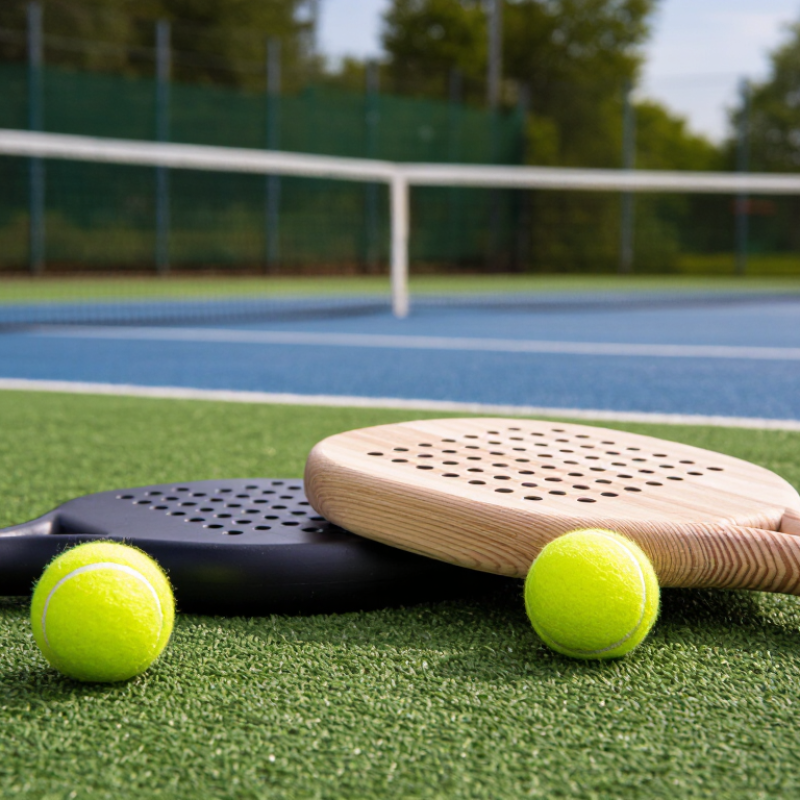
Abeginner Pickleball Paddle And Ball Set usually containstwo paddles, a few perforated plastic balls, and a carry bag. Two paddles make it easy to practice with a partner right away. The paddles are often made with a lightweight face and a honeycomb-style core, which can feel easier to manage during basic rallies. Check the grip, too. It should sit securely in your hand without forcing your fingers to squeeze. A loose or overly thick grip can make simple shots feel awkward.
Sets may include both indoor and outdoor balls, but not always. Indoor balls are generally lighter, with larger holes; outdoor balls are firmer and often have smaller holes to handle wind better. Look closely at the product details before buying. A bag is useful for keeping balls and paddles together, though it may offer little padding. Small detail. The number of balls matters as well: a few extras help when one rolls under a bench or gets misplaced. Beginners sometimes focus only on paddle weight and overlook ball type. I would compare both, then choose a set that feels comfortable and suits the court where you expect to play. It need not be perfect; comfort becomes clearer after a few games.
How Paddle Materials and Shapes Affect Play
For a beginner pickleball set, paddle material changes how each shot feels. Wood paddles are sturdy and often less expensive, but their extra weight can tire your arm during longer games. Composite faces tend to offer a middle ground between control and power. Graphite or carbon-fiber faces are usually light and responsive, though the core and paddle shape matter too. Labels alone don’t tell the whole story. Feel matters.
A wider paddle face gives beginners a larger sweet spot, which can help when contact lands near the edge. Elongated shapes add reach, but their narrower faces may feel less forgiving. Thicker cores often soften impact and reduce vibration; thinner designs can feel livelier, but may take more touch to control. These are tendencies, not guarantees. I’d check the grip size and balance before choosing, since a paddle that feels awkward in your hand can make simple returns harder. A starter set should also include balls suited to where you’ll play: indoor balls are generally lighter, while outdoor balls are built for wind and rougher surfaces. One detail is easy to miss: listed paddle weight may not reflect how heavy it feels when swung.
Choosing Indoor or Outdoor Balls for Your Playing Environment
Indoor and outdoor pickleballs feel different, even when the paddle is the same. Indoor balls usually have larger holes and a softer feel. They often travel more slowly, giving beginners extra time to set their feet and prepare a return. A gym floor also offers a predictable bounce. Watch for dust, though; it can make the ball skid.
Outdoor balls are typically harder, with smaller holes to reduce wind interference. They move quickly on rough courts and can bounce sharply. On a breezy day, even a well-hit shot may drift. That can be frustrating. It is also useful practice for judging speed and direction. If your local court is exposed, start with outdoor balls rather than assuming an indoor ball will behave the same way.
When choosing a beginner set, check which ball type is included and where you plan to play most often. Some sets include both types, which helps when your playing location changes. Ask the facility what it permits; court surfaces and local preferences vary. I would not judge a ball by color alone. Bright colors help visibility, but lighting and court contrast matter too. My first choice might still be wrong for a dim gym. Test a few gentle rallies before a full game, and notice whether the bounce feels steady.
Comparing Beginner Sets by Comfort, Durability, and Price
Top Pickleball Paddle and Ball Sets for Beginners
Comparing Beginner Sets by Comfort, Durability, and Price
For new players, comfort starts with a paddle that feels balanced and a grip that fits securely. A lighter paddle can feel easier to maneuver, though very light models may offer less stability on off-center hits. Check the grip circumference and handle length before comparing prices. Small detail. It matters during long practice sessions.
Ball choice affects durability, too. USA Pickleball’s equipment specifications distinguish indoor balls, typically with 26 holes, from outdoor balls, typically with 40. Match the ball to where you plan to play; rough outdoor courts can wear down balls faster. The SFIA 2024 Topline Participation Report counted 13.6 million U.S. pickleball players in 2023, a 51.8% increase from 2022. That rapid growth makes beginner sets easy to find, but set contents and quality can vary. Compare paddle feel, included ball type, and replacement costs—not just the price tag. A low-cost set may be sensible, but flimsy grips or quickly damaged balls can make it less economical.
Tips: Hold the paddle before buying, if possible, and check for a non-slip grip. Confirm whether the balls suit indoor or outdoor play. Consider cost per paddle and ball, not only the bundle price. A flashy case is nice, but it should not outweigh comfort or durability.
Top Pickleball Paddle and Ball Sets for Beginners — Comparing Beginner Sets by Comfort, Durability, and Price | Set Type | Typical Contents | Comfort | Durability | Typical Set Price (USD) | Best For |
| Basic wood set | Two wooden paddles and a small selection of balls | Fair: wood paddles are generally heavier, which may feel tiring during longer sessions. | Good for casual introductory play; the simple paddle construction can withstand regular recreational use. | $20–$40 | Occasional play, schools, or buyers prioritizing the lowest upfront cost. |
| Fiberglass-face set | Two paddles with fiberglass faces, typically polymer honeycomb cores, and balls | Good: usually lighter than wood sets, with a cushioned grip on many models. | Good: suitable for routine recreational play; grip wear and surface scuffs depend on use and care. | $40–$80 | Most beginners seeking a balance of manageable feel and moderate price. |
| Graphite-face set | Two lightweight paddles with graphite faces and honeycomb cores, plus balls | Very good: lighter paddles can be easier to maneuver, though grip shape and size still matter. | Good: designed for repeated play, but face and edge-guard wear can occur with frequent use. | $60–$120 | New players who expect to play often and want a lighter-feeling paddle. |
| Indoor-and-outdoor starter set | Two paddles and a mix of indoor and outdoor balls | Varies: comfort depends mainly on paddle weight, grip circumference, and handle length. | Good when the balls are used on their intended surfaces; outdoor balls are typically harder and have smaller holes than indoor balls. | $35–$90 | Beginners who plan to play in both indoor gyms and outdoor courts. |
Prices are approximate U.S. retail ranges for common unbranded recreational sets and vary by materials, contents, and seller. Comfort and durability descriptions are general comparisons, not independent product test results.
Checking Set Specifications for Skill Level and Court Rules
Top Pickleball Paddle and Ball Sets for Beginners
Checking set specifications matters because a ball that behaves poorly on your court can make early practice frustrating. USA Pickleball’s 2024 Official Rulebook sets ball diameter at 2.87–2.97 inches and weight at 0.78–0.935 ounces. It also limits a paddle’s combined length and width to 24 inches, with a maximum length of 17 inches. Check these details before buying, especially if you plan to play in organized games.
Small details matter. A beginner set should include two paddles and balls suited to your playing surface; outdoor balls generally have smaller holes and feel firmer in flight. Court standards count, too: the regulation court is 20 by 44 feet, with the net 36 inches high at the sidelines and 34 inches at the center.
The SFIA 2024 Topline Participation Report counted 13.6 million U.S. pickleball players in 2023, a 51.8% increase from 2022. That growth makes clear equipment guidance useful, but popular does not mean every set fits every player. Compare paddle weight and grip comfort in person when possible. A heavy paddle may feel powerful at first, yet tire a new player’s wrist during repeated practice. I would not assume the most expensive set is the easiest to learn with; comfort is personal, and my first choice might not suit yours.
Tips: Confirm the ball type matches indoor or outdoor play, and check your local court’s rules. Hold each paddle for a minute. If the grip feels slippery or awkward, keep looking.
