What is an Air Diaphragm Pump and How Does it Work?
Air diaphragm pumps are fascinating devices used across various industries. They operate using compressed air to move fluids. Their versatility makes them suitable for handling different liquids. Whether in chemical processing or wastewater treatment, air diaphragm pumps excel in efficiency.
Understanding how these pumps work can enhance their application. They consist of two diaphragms that create pressure changes. When one diaphragm moves down, it draws liquid in. When it moves up, it expels the liquid. This simple yet effective mechanism allows for smooth operation.
However, air diaphragm pumps are not without challenges. They can wear out over time due to frequent use. Regular maintenance is necessary to ensure optimal performance. Knowing when to replace parts is crucial. As we explore the workings and benefits of air diaphragm pumps, we must also reflect on their limitations.
What is an Air Diaphragm Pump?
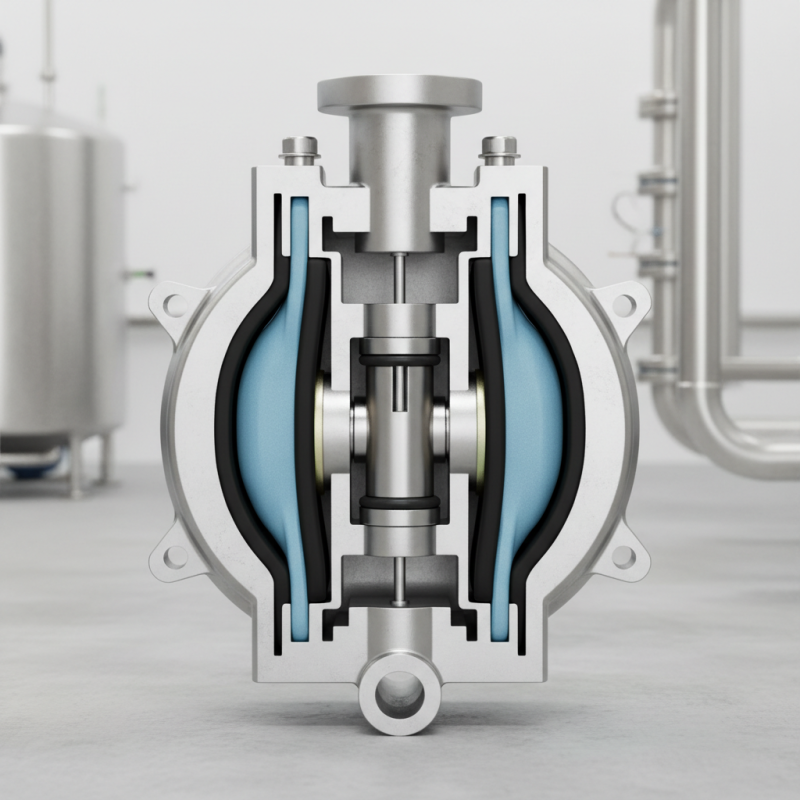
An air diaphragm pump is a unique device used to move liquids. It operates using two flexible diaphragms that create suction and pressure. These diaphragms alternate their positions, allowing fluid to flow in and out. This type of pump is versatile and can handle various liquids, including thick or viscous substances.
The working principle relies on compressed air. When air enters one side, it pushes the diaphragm down, forcing liquid out. Simultaneously, the other diaphragm moves up, creating a vacuum that pulls in more liquid. This cycle continues, making the pump efficient. However, it’s crucial to maintain the pump regularly to avoid issues. If debris clogs the system, its efficiency decreases.
Air diaphragm pumps are known for their portability. They can be used in many applications, from transferring chemicals to moving water. But their performance can be inconsistent if not monitored properly. Without careful operation, they might lead to leaks or air pockets. Users must be attentive to ensure optimal function over time.
Principle of Operation of Air Diaphragm Pumps
Air diaphragm pumps operate on a simple yet effective principle. They use compressed air to create a vacuum. This vacuum draws fluid into the pump. The diaphragm, a flexible membrane, is the key player.
When the diaphragm moves down, it pulls liquid in. When it moves up, it forces the liquid out.
This back-and-forth motion is continuous, thanks to an air valve. The valve alternates the air flow, making the diaphragm move consistently. It’s efficient for moving various liquids. However, keep in mind that not all fluids are suitable. Certain liquids can cause damage to the diaphragm material.
Tip: Always check the compatibility of the fluid with the diaphragm pump. It can save you time and money. Regular maintenance is crucial too. Inspect the diaphragm for wear and replace it if necessary.
Small issues can escalate, leading to costly repairs later on. Don't overlook these details, as they ensure the pump’s longevity and efficiency.
Key Components of Air Diaphragm Pumps Explained
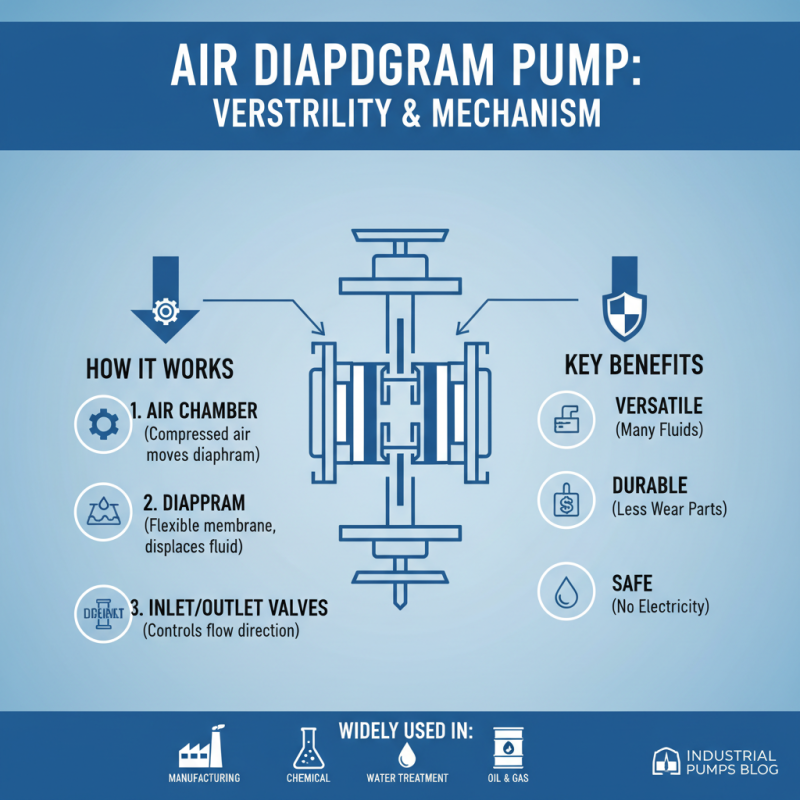
Air diaphragm pumps are versatile devices widely used in various industries. They operate using a simple yet effective mechanism. The key components of these pumps include the diaphragm, air chamber, and inlet/outlet valves. Each part plays a crucial role in the pumping action.
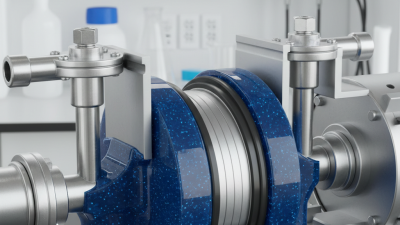
The diaphragm is a flexible membrane that moves back and forth. This movement creates a vacuum, drawing liquid into the pump. When the diaphragm shifts in the opposite direction, it expels the liquid through the outlet. The air chamber helps regulate this action by controlling air supply and pressure. The valves, strategically placed, ensure that the fluid flows in one direction only, preventing backflow.
While designing or choosing an air diaphragm pump, it's essential to consider the material. The diaphragm material can affect the pump's compatibility with different liquids. Not all materials work well with every substance. This could lead to pump failure or reduced efficiency. Regular maintenance is important too. If the diaphragm or valves wear out, the pump won't function optimally. Therefore, understanding these components helps users make more informed choices.
Applications and Industries Using Air Diaphragm Pumps
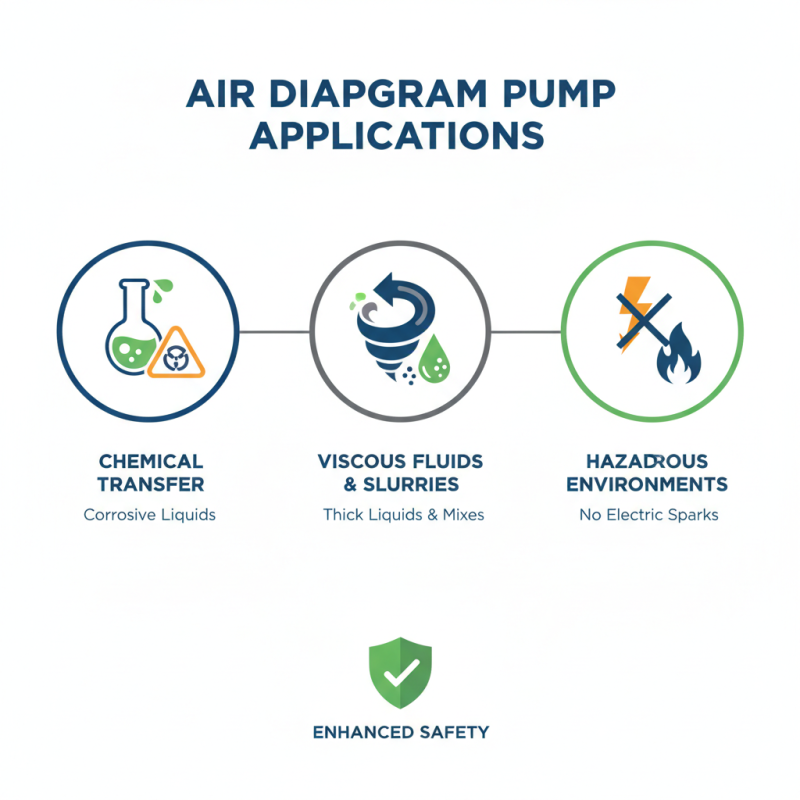
Air diaphragm pumps have diverse applications across various industries. They are frequently used in the chemical sector for transferring corrosive liquids. These pumps excel in handling viscous fluids and slurries. More importantly, they ensure safety in environments where electric sparks could pose hazards.
In the food and beverage industry, air diaphragm pumps are crucial. They transport ingredients safely without contamination. Their ability to handle different viscosities makes them ideal for processing products like sauces and creams. Wastewater treatment facilities also rely on these pumps. They effectively move sludge and chemicals, supporting the sanitation process.
However, there can be challenges. For instance, these pumps require regular maintenance to prevent wear and tear. Sometimes, air leaks may occur, affecting efficiency. Users need to monitor performance and check connections regularly. Despite these challenges, the versatility and reliability of air diaphragm pumps make them valuable in many sectors.
Advantages Over Other Pump Technologies in Various Applications
Air diaphragm pumps offer unique advantages over other pump technologies in various applications. These pumps use compressed air to move fluids, featuring a simple design that involves minimal moving parts. According to industry reports, air diaphragm pumps can achieve flow rates of up to 400 liters per minute, making them effective for a range of materials, including viscous fluids and slurries.
These pumps shine in environments where other types struggle. For instance, they are ideal for solvent handling in chemical manufacturing. Their ability to operate dry without damage is crucial in such settings. Additionally, their versatile construction allows for easy disassembly and maintenance. This can lead to cost savings in industries that require frequent servicing. However, air diaphragm pumps tend to have higher pulse rates compared to centrifugal pumps, which can affect gentle fluid handling.
In the food industry, air diaphragm pumps help transport viscous products like sauces and creams. Research indicates that their gentle pumping action minimizes shear stress, preserving product integrity. The ability to handle varying materials without changing the pump setup can streamline operations. Nonetheless, continuous loud noise during operation can be a drawback, complicating their use in quieter environments.
Advantages of Air Diaphragm Pumps Compared to Other Pump Technologies